English
 русский
 Español
Industry News
Home / News / Industry News / Four Roller Plate Rolling Machine Applications in Shipbuilding Shipyards
Ship hull plates do not bend like ordinary steel sheet. A 40 mm deck plate with 3 meters of width requires controlled pre-bending, accurate roundness control, and repeatable handling from first pass to final calibration. The machine that performs that work in most modern shipyards is the four roller plate rolling machine. This article explains where four-roll technology fits in hull construction and how to select a machine that meets shipyard tolerances.
A four roller plate rolling machine is a metal forming machine that positions a plate between two central rollers and two side pinch rollers to produce a controlled cylindrical or conical curvature. The plate is gripped continuously between the two center rolls, while the side rolls move to create bending force at both edges.
In shipbuilding terms, this means a plate entering from one side is already pre-bent before it reaches the main forming roll. That eliminates the need to reposition the plate for edge forming, a step that is unavoidable on a three-roll machine.
Marine steel grades such as AH36 and EH36 have high yield strength and a pronounced springback. Continuous pinching keeps the plate under predictable tension, which allows the machine to compensate for springback and hold roundness tolerances.
Shipbuilders choose four-roll machines because the process delivers constant pinching of the plate and requires fewer passes to reach the target radius.
In practice, a 1500 mm wide hull plate can typically be formed in a single pass on a four-roll machine, whereas a three-roll machine requires at least two and often three passes for the same radius.
Four-roll machines are used across several hull-forming tasks that demand high plate edge alignment and dimensional stability. They are the standard choice for plate bending in shipyards because the forming cycle is repeatable and adjustable.
In each case, four-roll technology handles the high-strength AH36 and EH36 steel grades commonly used in marine construction, where springback control matters.
The selection hinges on plate width, thickness, diameter range, pre-bending capacity, and CNC control. Matching these parameters to the hull plate specifications is the most direct way to avoid costly rework in the plate shop.
For mid-thickness hull plates in the 20-40 mm range, the HDLW12-40x3200 CNC is a strong fit for shipyard work.
 China plate rolling machine & metal forming machine manufacturerExplore Our Featured ProductsView Product →
For heavy structural framing where plates exceed 40 mm, the HDLW12-70x3200 CNC provides the roll diameter and control needed for consistent roundness.
China plate rolling machine & metal forming machine manufacturerExplore Our Featured ProductsView Product →
| Parameter | Recommended range |
| Maximum plate width | 2000-8000 mm |
| Maximum thickness | 25-70 mm for hull steel |
| Roll diameter | 300-600 mm depending on strength requirement |
| CNC control | 4-axis minimum, positioning and compensation functions |
| Pre-bending capacity | 1.2-1.5 times maximum thickness |
Hengdeli's four-roll machines are designed with the heavy plate ranges and long bed lengths that shipyards require. The company, known by its brand Hengdeli and formerly trading as Hengdeli Machinery, was established in 2003 and has been manufacturing metal forming equipment for more than two decades.
Hengdeli produces more than 100 specifications of plate rolling machines, with maximum processing thickness up to 180 mm and plate width up to 4000 mm. That range covers the majority of hull plate sizes found in modern shipbuilding.
Quality assurance is a documented part of the production flow, from material inspection to bench testing before shipment. The specific procedures are described on the factory quality assurance page. The company also serves customers across multiple export markets and has a history of repeat purchases from established clients.
For shipyards working with lighter gauge forming and short-run prototype work, the HDLW12-12x3000 four-roll machine offers a practical entry point into four-roll precision bending.
China plate rolling machine & metal forming machine manufacturerExplore Our Featured ProductsView Product →
Four-roll machines generally handle thickness up to 70 mm with sufficient roll diameter and CNC compensation. Some models extend beyond that range for specialized structural steel.
Yes. With proper side-roll tilting and a coordinated withdrawal schedule, four-roll machines can produce conical and tapered sections used in bow and stern areas.
CNC control sets roll positions in a program, compensating for springback and material thickness variation. Positions are recalculated after each calibration pass.
Hengdeli manufactures four-roll machines with plate widths up to 8000 mm and thickness up to 70 mm for heavy structural applications, supported by factory-based quality verification.
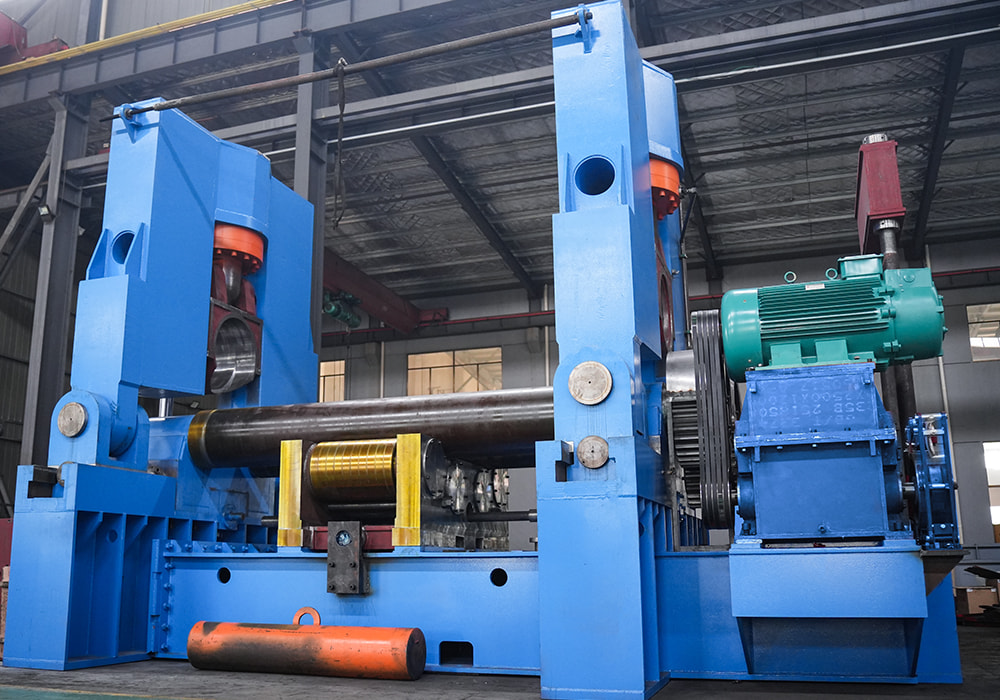 HDLW11S-120×3500 Upper Roller Universal 3-roller Plate Rolling Machine
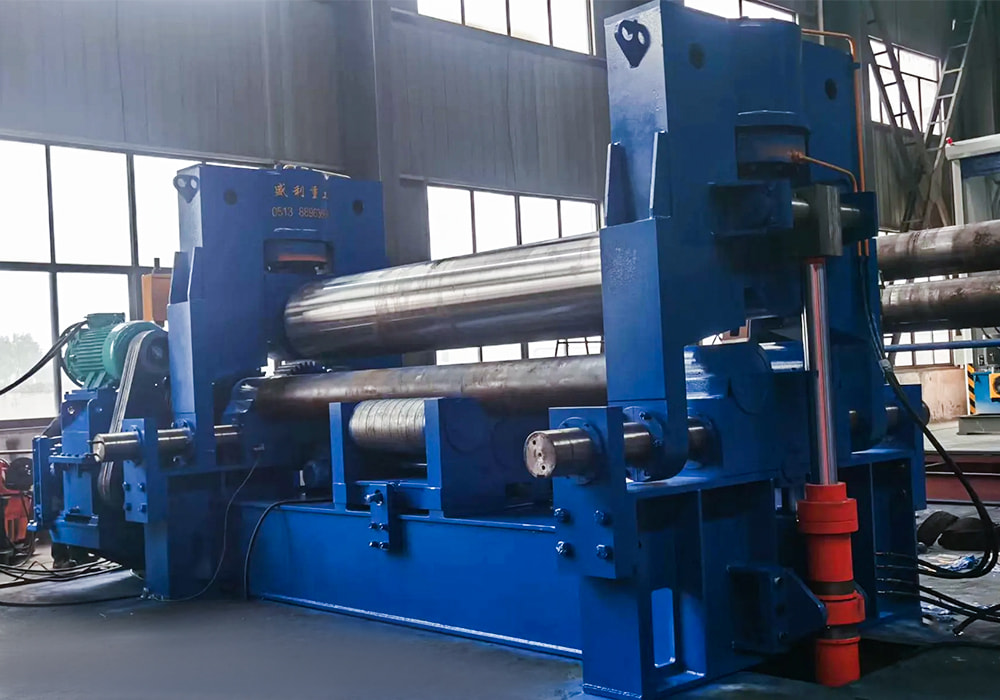 HDLW11S-50X3000 Upper Roller Universal 3-roller Plate Rolling Machine
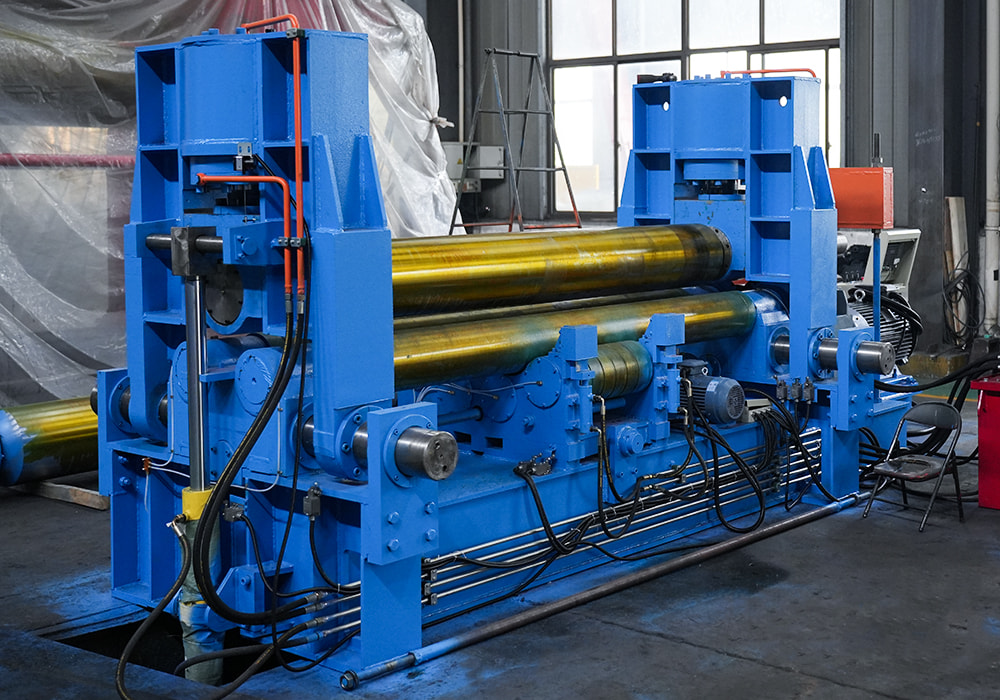 HDLW11S-30×3000 Upper Roller Universal 3-roller Plate Rolling Machine
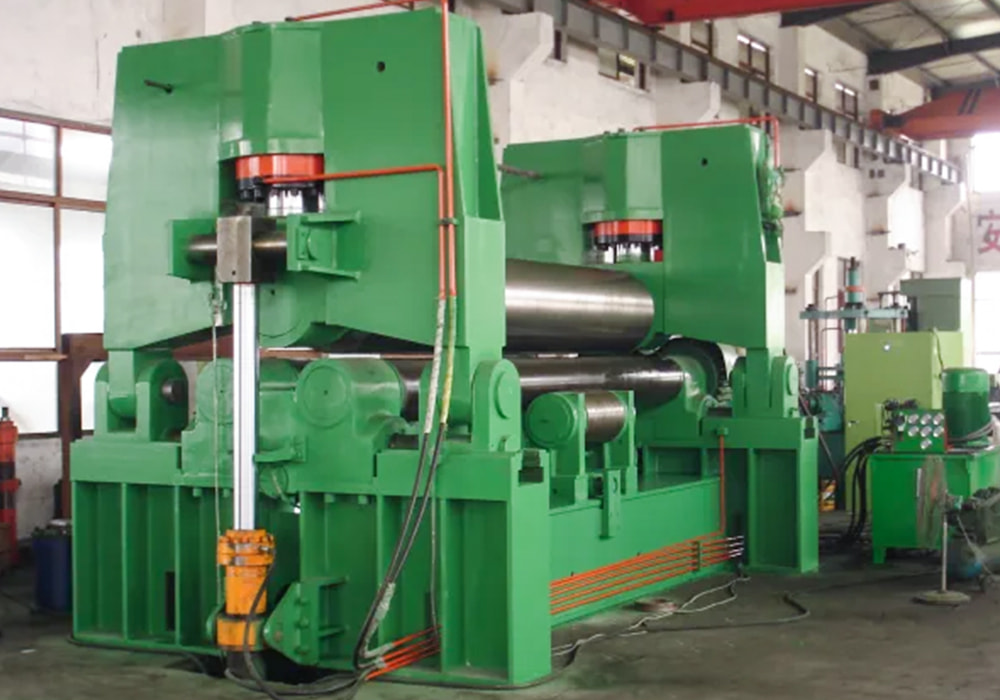 HDLW11X-100×3100 oblique 3-roller plate rolling machine
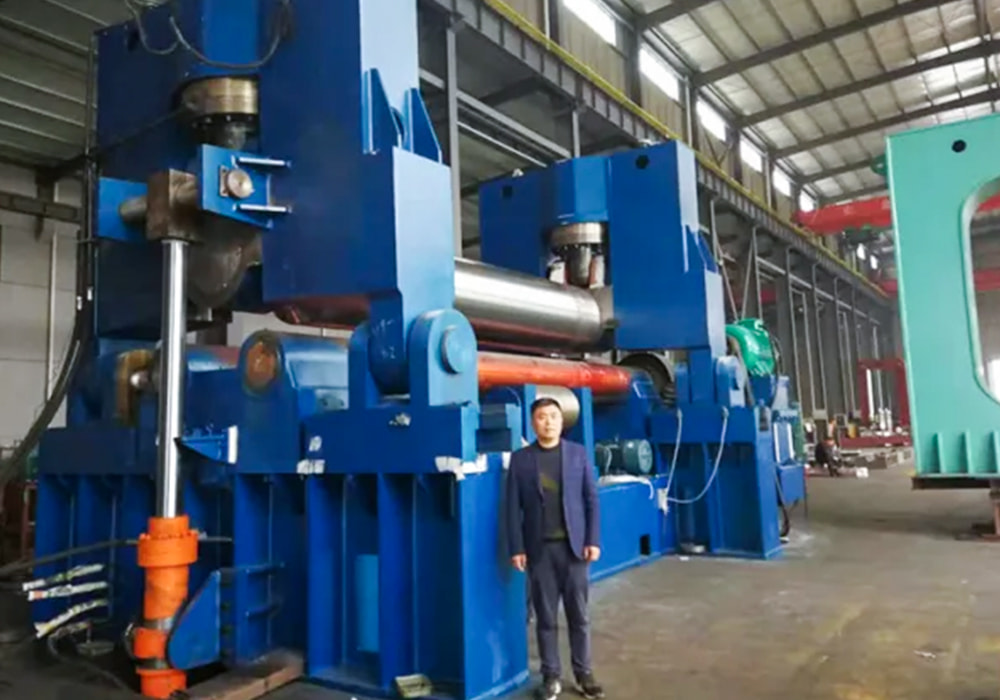 HDLW11-150X3200 hydraulic symmetrical 3-roll plate rolling machine
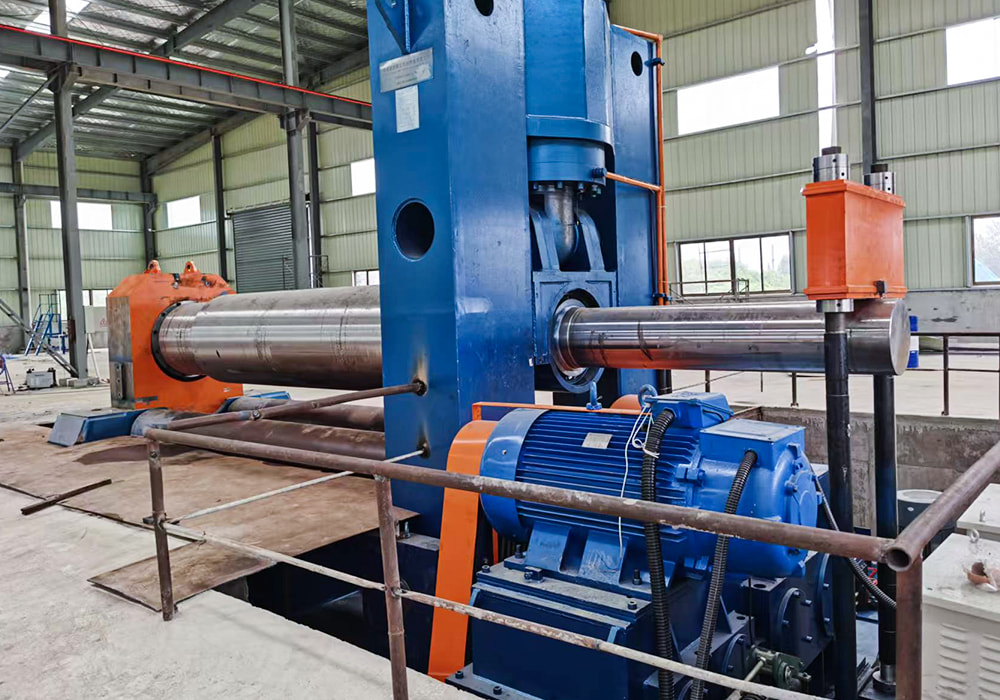 HDLW11-120X3500 Symmetrical 3 Roller Plate Rolling Machine
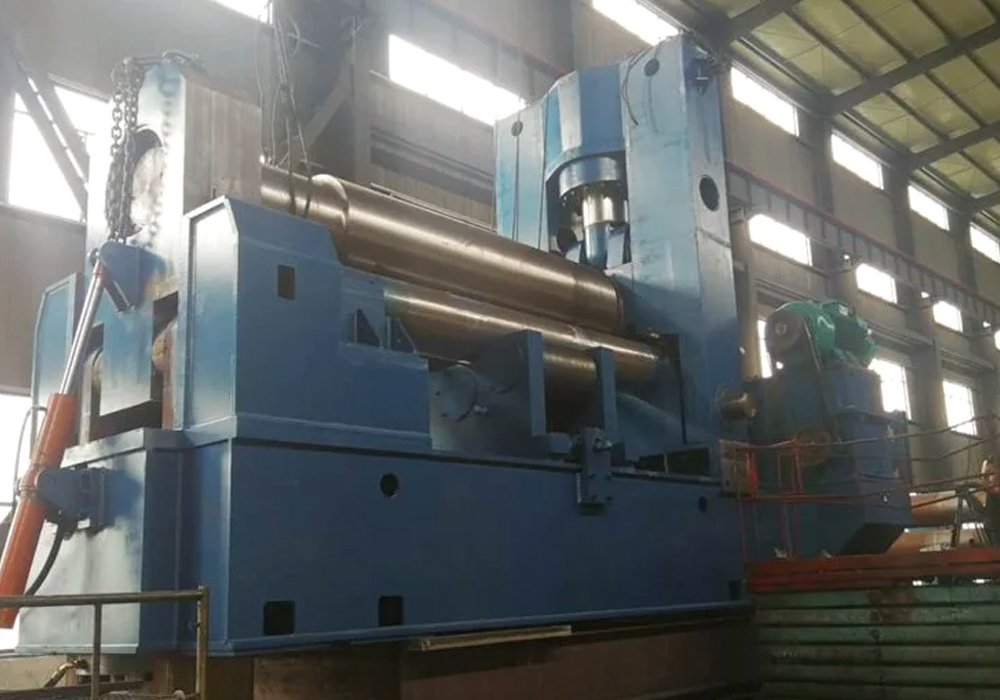 HDLW11-100X4200 pull-down 3 roller plate rolling machine
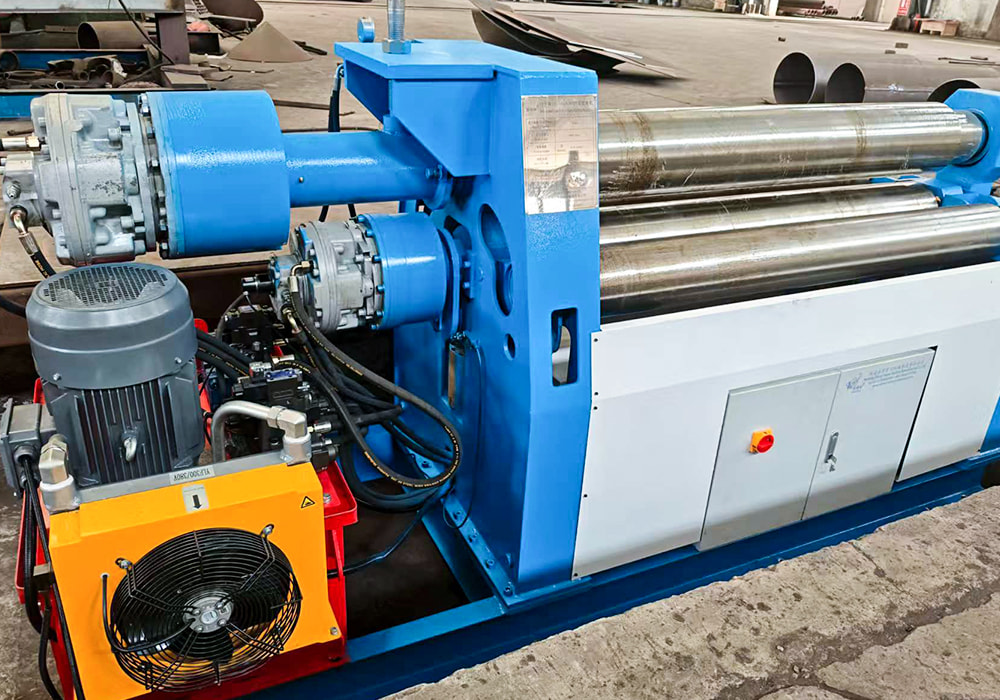 HDLW12-16x1600 CNC 4 Rolls Metal Sheet Bending Machine
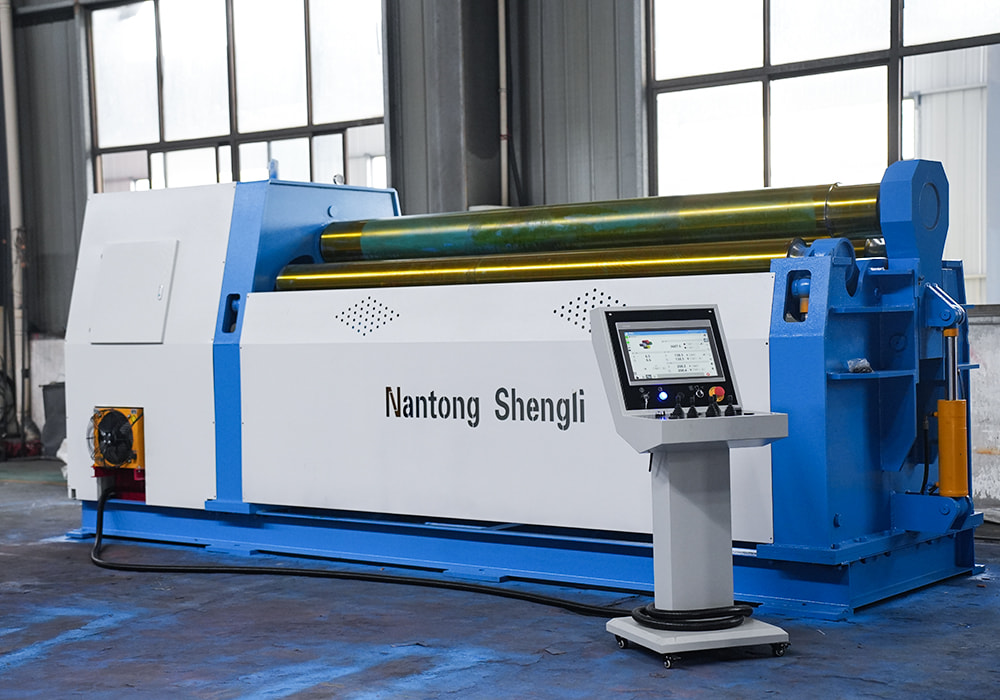 HDLW12-12×3000 4 Rolls Plate Bending Machine
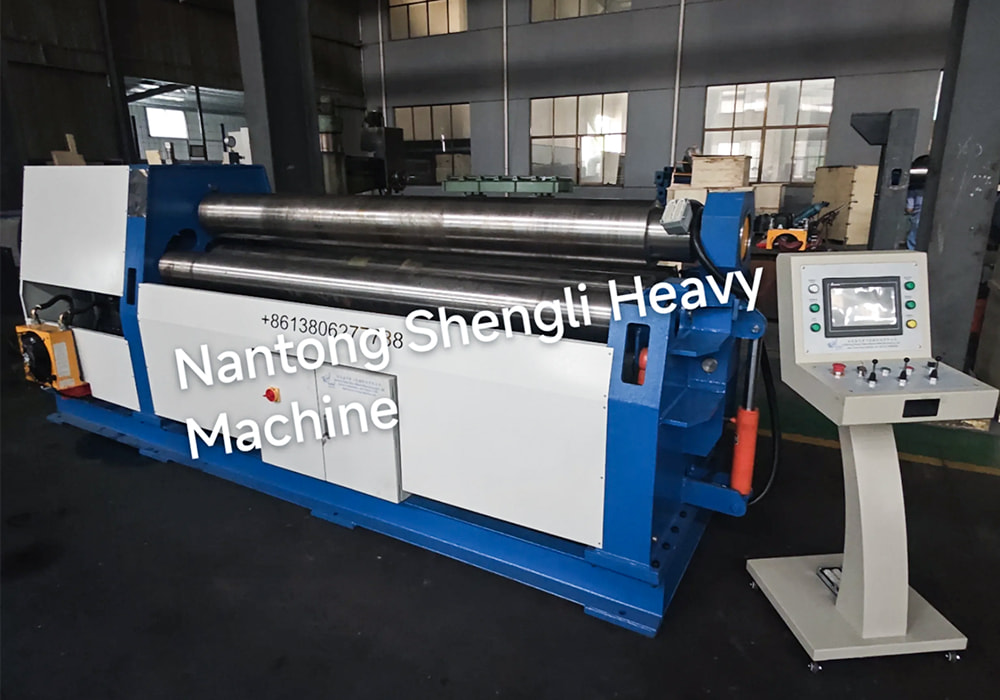 HDLW12-25×2500 Pipe Bending Rolling Machine
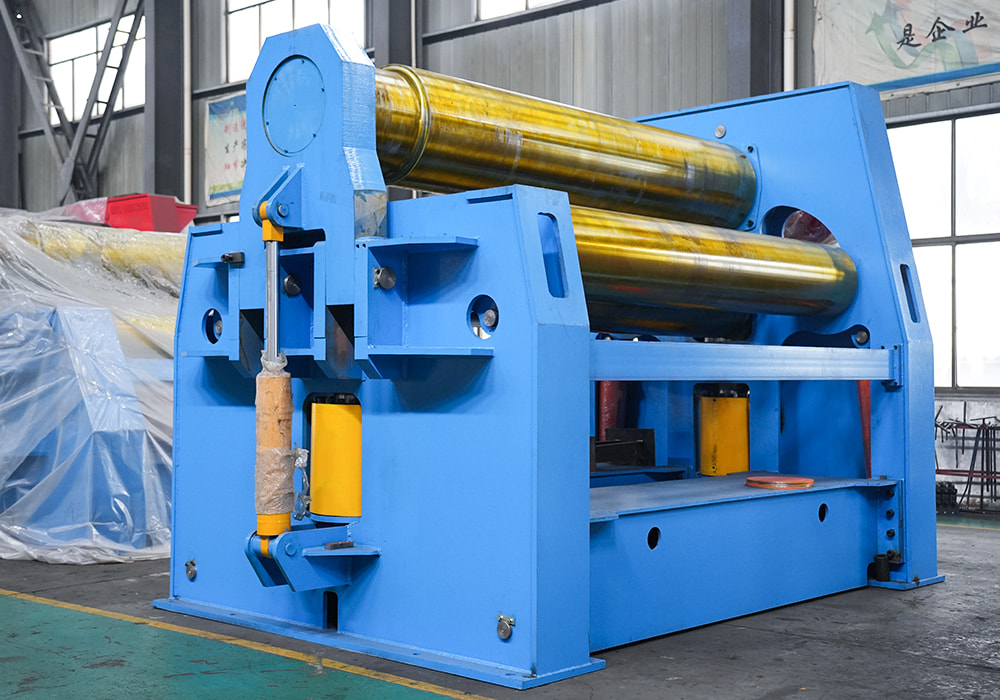 HDLW12-70×3200 CNC 4 Roll Metal Roll Bender
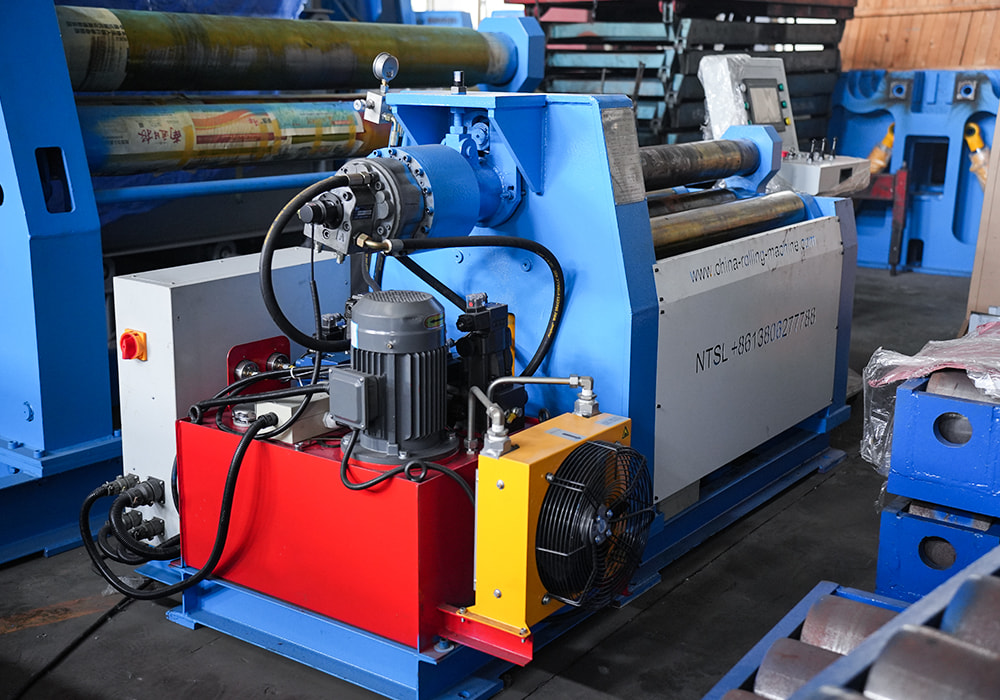 HDLW12-8×1000 4 Roll CNC Sheet Bending Machine

The company boasts strong technical capabilities, holds numerous national patents, and produces high-quality products that are widely recognized by customers both at home and abroad.

 Previous