English
 русский
 Español
Industry News
Home / News / Industry News / RBE LSAW Pipe Mill Production Line: Key Equipment and Quality Control Factors
This guide breaks the RBE (Rolling, Bending, Expanding) route into its equipment groups, identifies the control points that generate the dimensional and weld records a purchaser will audit, and lists the parameters that belong in a purchase specification before a contract is signed.
RBE forms a pipe shell by rolling plate continuously into a cylinder on a three-roll or four-roll bending machine and then cold expanding the welded shell, while JCOE forms the same shell in discrete J, C and O press strokes.
The two routes can deliver pipe to the same specification, but they fail in different ways. JCOE spreads forming across three press strokes and a set of dies, which suits heavy walls and large diameters where a press applies force that a set of rolls cannot reach. RBE keeps the plate in continuous contact with the rolls, which shortens the cycle, lowers tooling cost, and turns a diameter change into a roll geometry change rather than a new die set.
| Comparison point | RBE route | JCOE route |
| Forming action | Continuous roll bending | Discrete J, C and O press strokes |
| Tooling | Bending rolls, changed for a new diameter | Forming dies per diameter and wall |
| Best fit | Medium wall, high repetition, broad diameter range | Heavy wall, large diameter, narrow diameter range |
| Roundness control | Mechanical expansion after welding | Press geometry plus mechanical expansion |
| Production rhythm | Continuous, one shell per rolling cycle | Stepwise, bound by press cycle time |
| Line footprint | Forming station sized to shell length | Press area plus die handling and storage |
A practical rule for line selection: under roughly 30 mm of wall with a broad diameter range, RBE usually delivers the lower cost per tonne. Above that, with a narrow diameter range, a press route absorbs the forming load more comfortably.
An RBE LSAW pipe mill production line is built from three equipment groups, and the rolling machine in the forming group fixes the maximum plate envelope for every station that follows.
 China plate rolling machine & metal forming machine manufacturerExplore Our Featured ProductsView Product →
Edge milling comes first. The milling heads trim both plate edges to the finished width and cut the weld bevel, and that cut determines whether the seam gap stays inside the narrow band allowed by the qualified welding procedure specification. A worn cutter shows up later as lack of fusion at the root, long after the cutter itself was the problem.
Roll bending follows, and two architectures dominate. A four-roll machine clamps the plate between the lower rolls and uses a side roll to pre-bend both ends in a single pass, so the flat spots at the plate ends are formed without turning the plate. A three-roll machine either needs the plate turned or relies on a top-roller universal design to pre-bend the tail end. For an RBE line producing long shells, the four-roll configuration is the usual choice because the plate stays clamped and square to the line axis throughout the pass.
China plate rolling machine & metal forming machine manufacturerExplore Our Featured ProductsView Product →
Forming capability is not uniform across a machine catalogue, and the model designation carries the numbers that matter. Nantong Shengli Heavy Machinery Manufacturing Co., Ltd., which builds and sells under the Hengdeli brand, lists its RBE forming machine as HDLW11G-25x6000, meaning a 25 mm rated plate thickness across a 6000 mm working length. The same catalogue spans a 180 mm maximum plate thickness and a 4000 mm maximum plate width across more than 100 rolling machine specifications.
Tack welding locks the geometry. The shell is closed in the rolling machine or at a separate closing station, the seam is aligned and clamped, and both ends are tack welded with run-on and run-off plates attached so the final seam starts and finishes outside the pipe body.
Internal welding is then performed from a boom inside the pipe with the head at the six o'clock position while the shell rotates. External welding follows with the head at twelve o'clock, usually with two or three wires so the deposition rate keeps pace with the wall thickness. Both passes are submerged arc welding, and the order matters: the internal pass closes the root, and the external pass is laid over an already closed seam.
The mechanical expander is the last forming operation on the line. A hydraulic expanding head with segmented jaws is drawn through the shell, pushing the wall past its yield point and releasing it, which relieves forming stress, restores roundness and raises the yield strength of the body. A full CNC chamfering machine then cuts the end bevel and land to the angle called for by the girth welding procedure, and after that the pipe passes through non-destructive testing, hydrostatic testing, weighing and stencilling.
Six control points decide whether RBE pipe passes an API 5L PSL2 or ISO 3183 inspection: input plate geometry, edge preparation, forming roundness and seam gap, welding parameters, expansion ratio, and final dimensional and pressure testing.
Plate is the first tolerance to verify. Thickness variation and flatness arrive governed by EN 10029 or ASTM A6, and any deviation propagates straight into the seam gap. Where incoming plate sits outside the flatness tolerance that the edge miller and the rolls can absorb, a levelling pass ahead of the line removes that variance before it becomes a forming defect.
API 5L and ISO 3183 allow a body diameter tolerance of plus or minus 0.75% of outside diameter, with tighter limits at the pipe ends because that is where girth welding happens. Ovality has two sources: roll setting errors during forming and residual stress after welding. The expander corrects most of both, which is why expansion is treated as a quality step rather than a sizing step. The seam gap itself is governed by the welding procedure specification and is normally held within a 1 mm to 3 mm band before tack welding.
Current, voltage, travel speed, wire feed rate, flux type and interpass temperature are recorded per pass, and the weld procedure specification is what makes those numbers auditable. For welded pipe under API 5L PSL2, the weld seam is inspected over its full length by radiographic or ultrasonic methods, and run-on and run-off plates are removed before the pipe ends are gauged.
Mechanical expansion is normally set between 0.5% and 1.5% of outside diameter, with 1.0% a common target for API 5L pipe. Higher expansion improves roundness and lifts yield strength, but on thin walls it increases the risk of over-expanding the body beyond the specified diameter, so the ratio is usually tied to the wall thickness band rather than set as a single figure for the whole line.
Each pipe receives a hydrostatic test at a pressure calculated from the hoop stress specified for its grade and size, held for a short interval on the order of ten seconds. That short hold is why the fill and drain cycle, not the pressure itself, sets the cycle time of the test station.
| Control point | Parameter governed | Usual verification |
| Incoming plate | Thickness and flatness | EN 10029 or ASTM A6 certificates plus an incoming dimensional check |
| Edge milling | Plate width and bevel geometry | Width gauge and bevel angle check |
| Roll forming | Diameter, ovality and seam gap | Template check at both pipe ends |
| Tack welding | Seam alignment | Visual inspection and gap gauge |
| Submerged arc welding | Weld soundness | Recorded procedure parameters and full-length ultrasonic or radiographic inspection |
| Mechanical expansion | Final diameter and roundness | Diameter tape and end gauge |
| End chamfering | Bevel angle and land width | Programme record and bevel gauge |
| Hydrostatic test | Pressure integrity | Pressure chart retained per pipe |
A purchase specification for an RBE LSAW pipe mill line should lock eleven items before the contract is signed, and every one of them can be written in a single page.
Roll bending carries the medium-wall band. The RBE line referenced in this article is built around a forming machine rated at 25 mm by 6000 mm, and that rating defines the ceiling of the whole line. Above roughly 30 mm at large diameters, a JCOE press route is the better fit because a press applies forming force that a set of rolls cannot reach.
Between 0.5% and 1.5% of outside diameter, with 1.0% a common working target for API 5L pipe. Write the ratio as a band tied to wall thickness rather than as a single number, because the risk of over-expansion rises sharply as the wall gets thinner.
By full-length radiographic or ultrasonic inspection of the seam, as required for welded pipe under API 5L PSL2 and ISO 3183. The station can be an X-ray unit with an image intensifier or an ultrasonic system with phased-array probes travelling along the seam, and either one must produce a record per pipe.
Material certificates to EN 10204 3.1, welding procedure specifications with qualification records, inspection and pressure test reports for the trial pipes, dimensional records, electrical diagrams and a spare parts list. Ask for the trial pipe records before final payment, not after.
Line selection is a geometry exercise first and a price negotiation second. Fix the plate envelope, the diameter range and the tolerance class, and the equipment list almost writes itself; leave those three open and every technical discussion turns into a change order.
Nantong Shengli Heavy Machinery Manufacturing Co., Ltd., which builds its roll bending machines and LSAW lines under the Hengdeli brand, documents its forming envelope, its factory process and its export client references as part of the standard pre-purchase material. Reviewing that material against the eleven specification points above is a faster route to a workable contract than starting from a machine price.
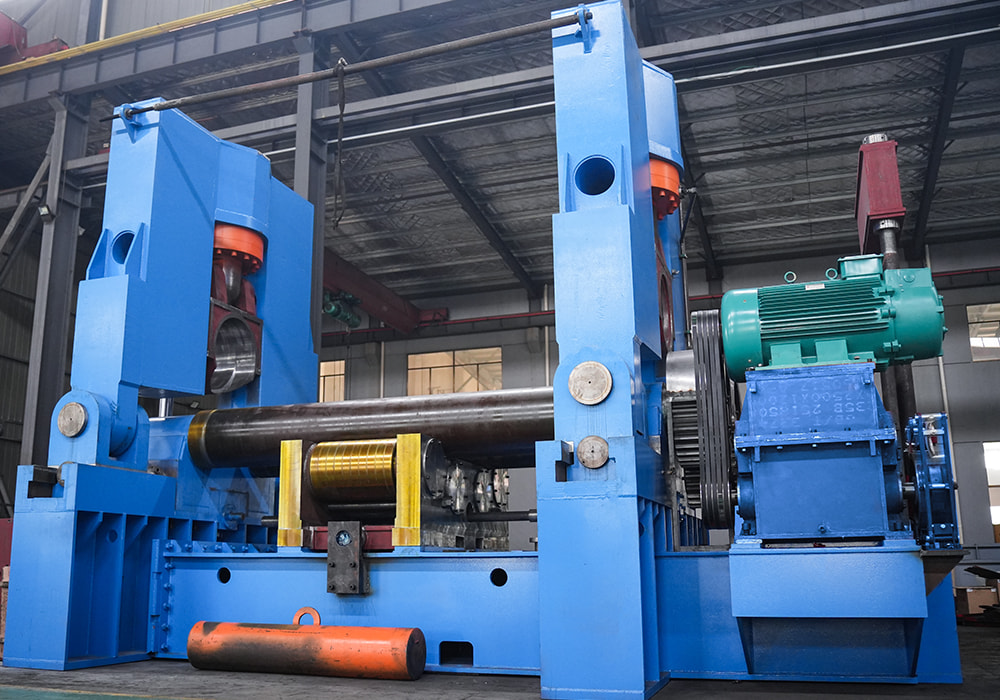 HDLW11S-120×3500 Upper Roller Universal 3-roller Plate Rolling Machine
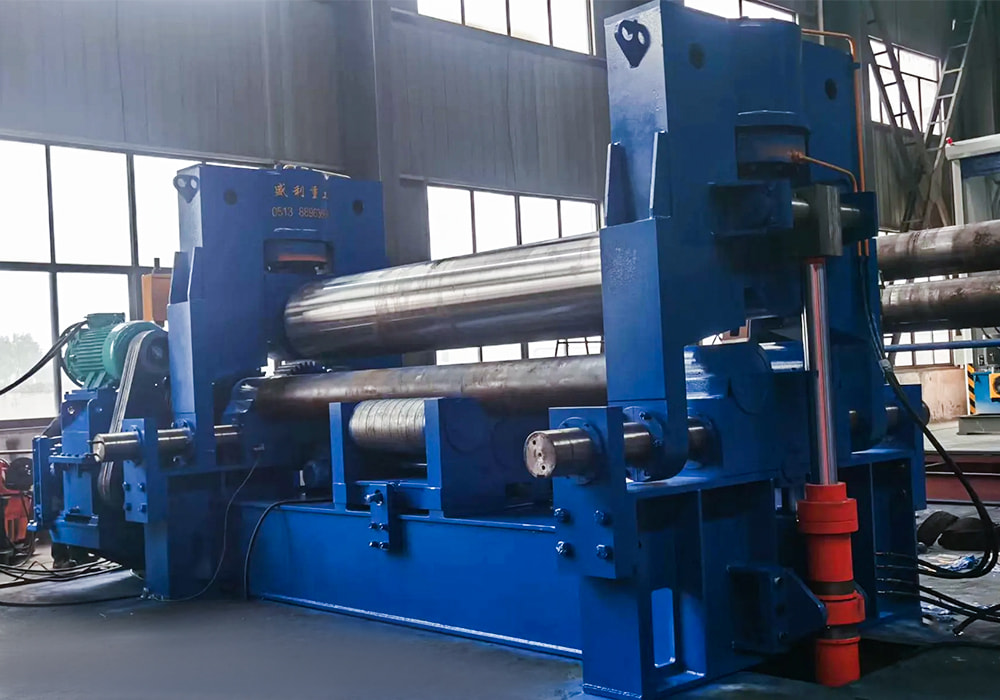 HDLW11S-50X3000 Upper Roller Universal 3-roller Plate Rolling Machine
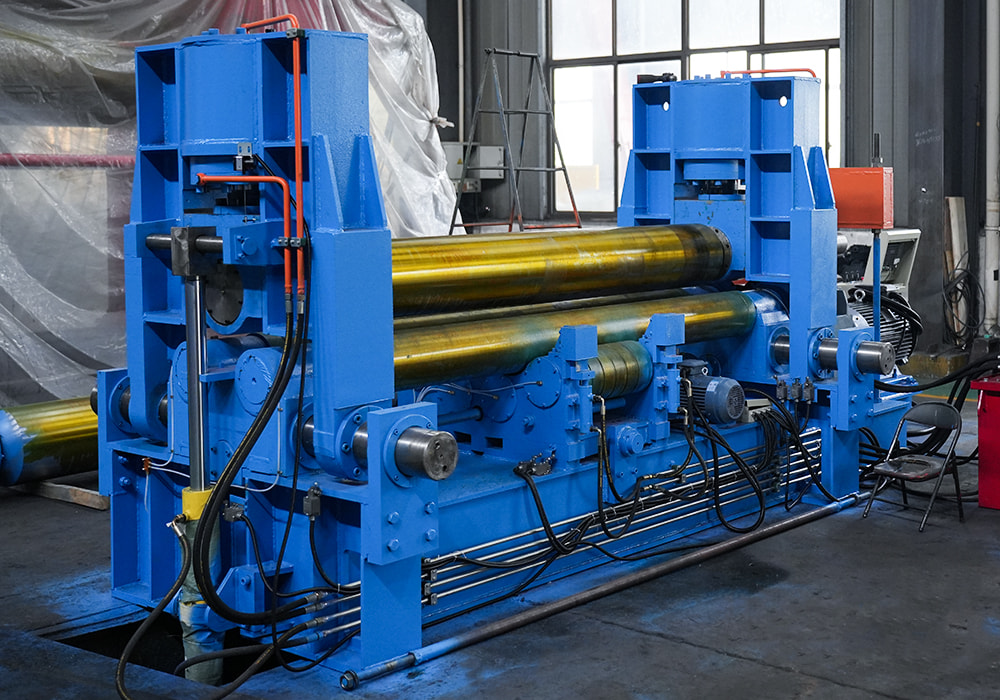 HDLW11S-30×3000 Upper Roller Universal 3-roller Plate Rolling Machine
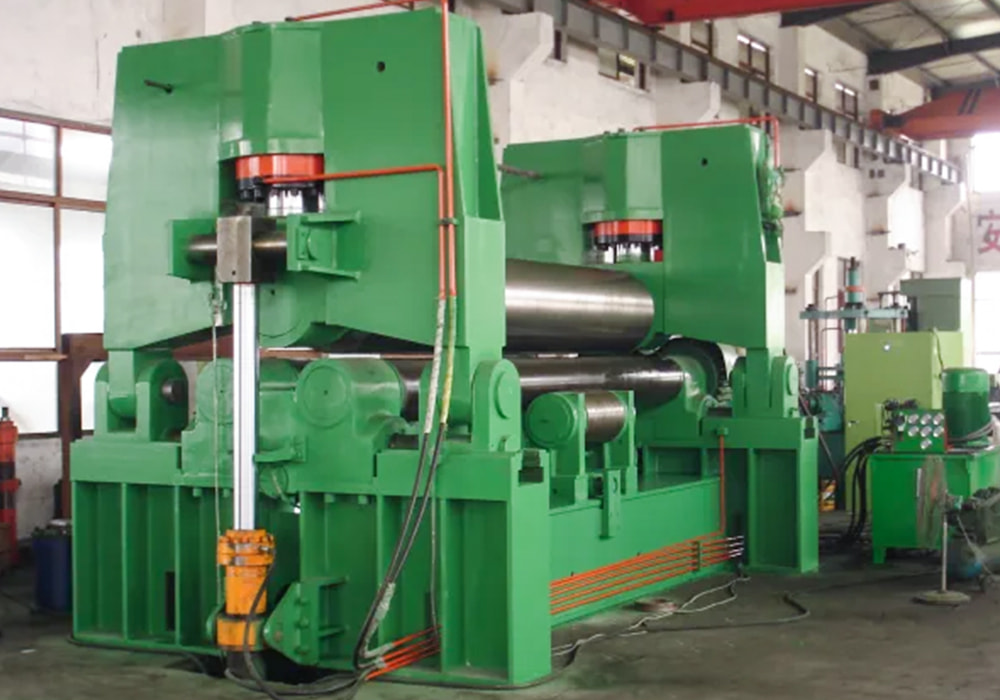 HDLW11X-100×3100 oblique 3-roller plate rolling machine
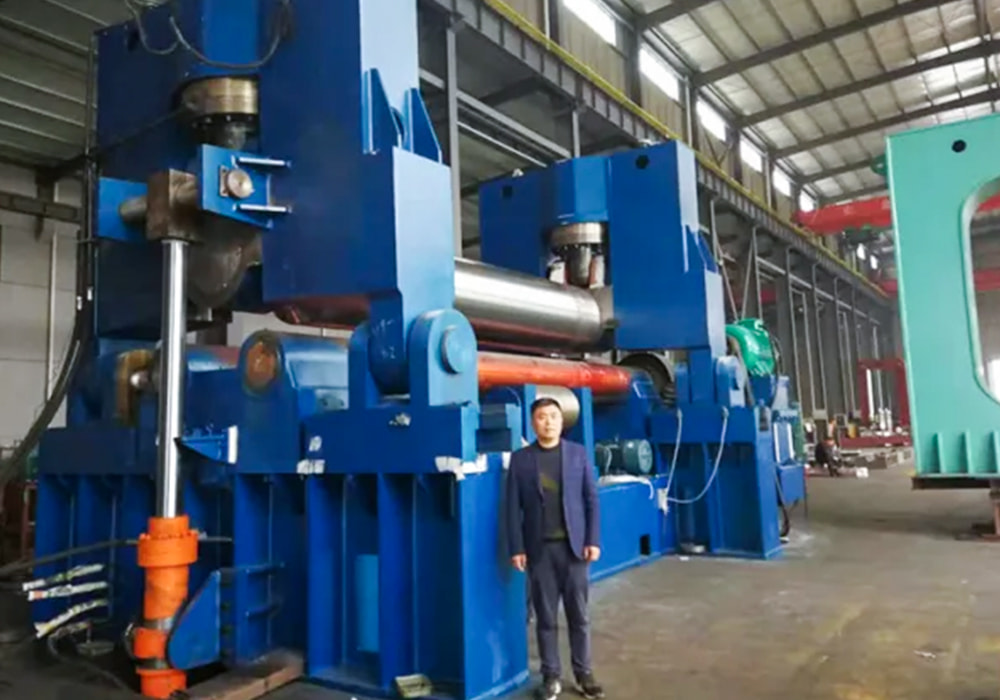 HDLW11-150X3200 hydraulic symmetrical 3-roll plate rolling machine
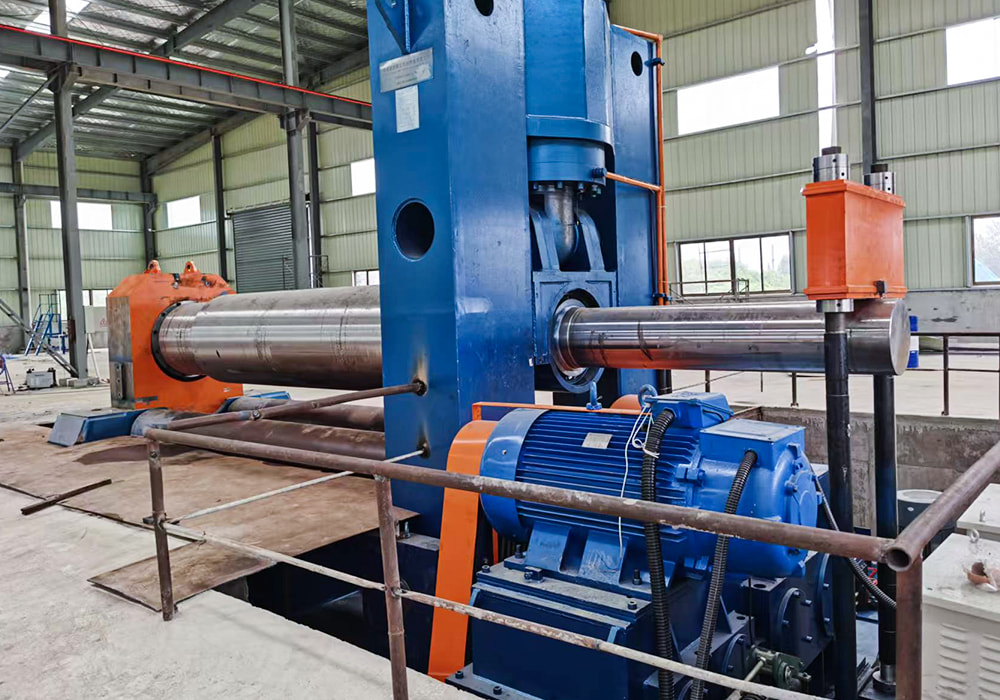 HDLW11-120X3500 Symmetrical 3 Roller Plate Rolling Machine
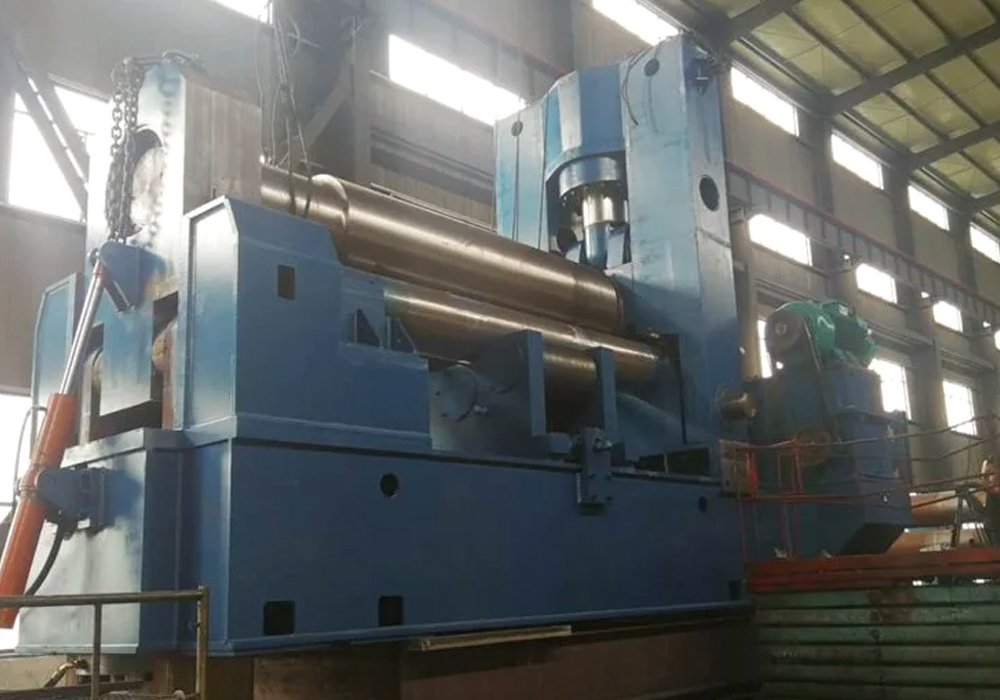 HDLW11-100X4200 pull-down 3 roller plate rolling machine
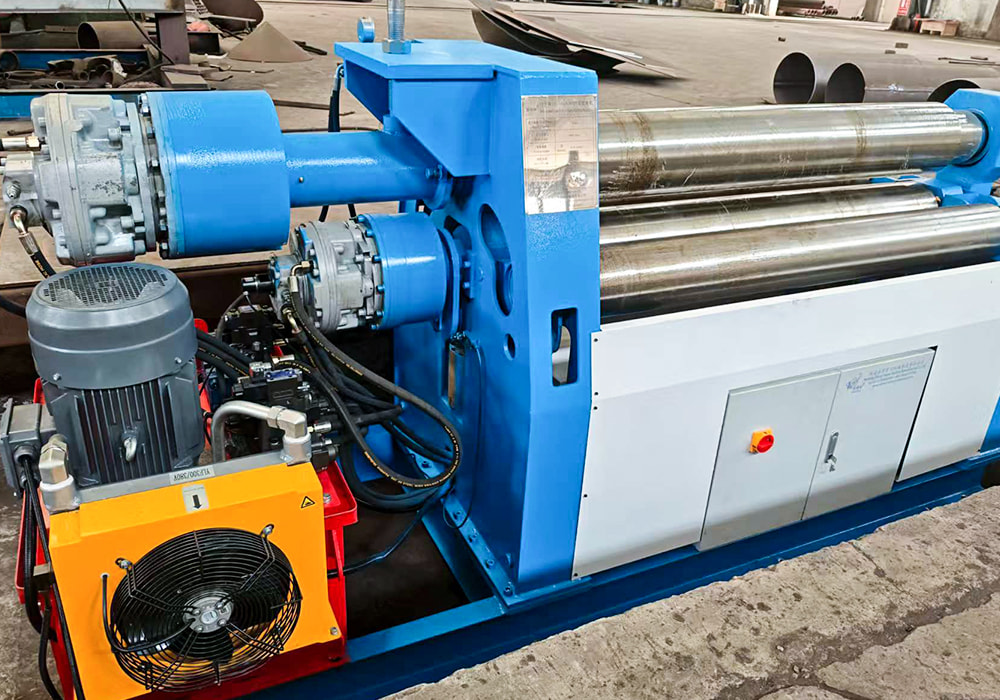 HDLW12-16x1600 CNC 4 Rolls Metal Sheet Bending Machine
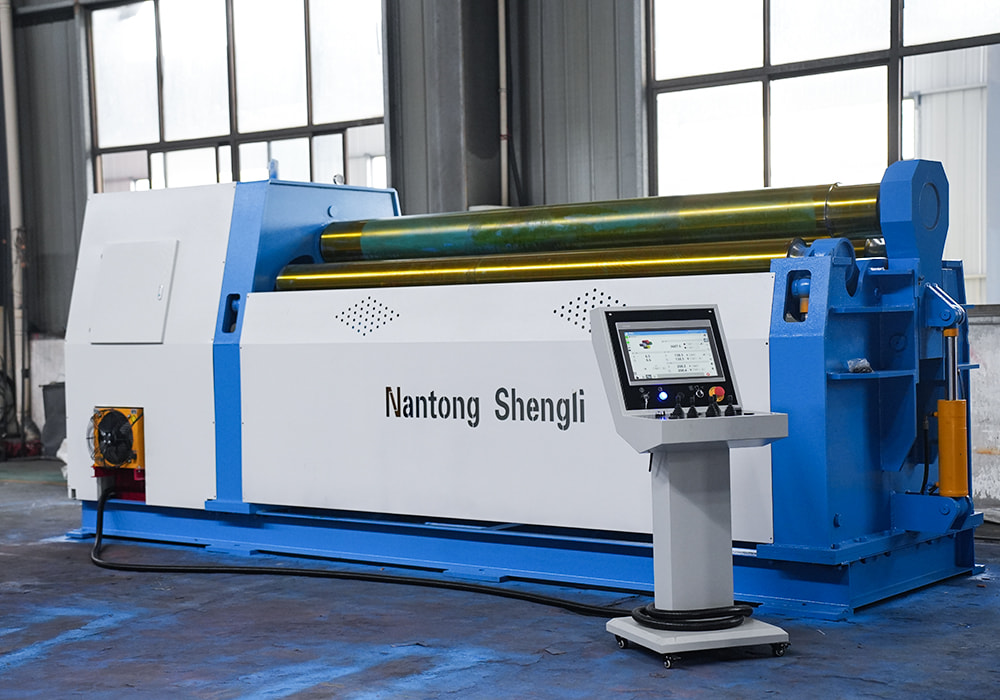 HDLW12-12×3000 4 Rolls Plate Bending Machine
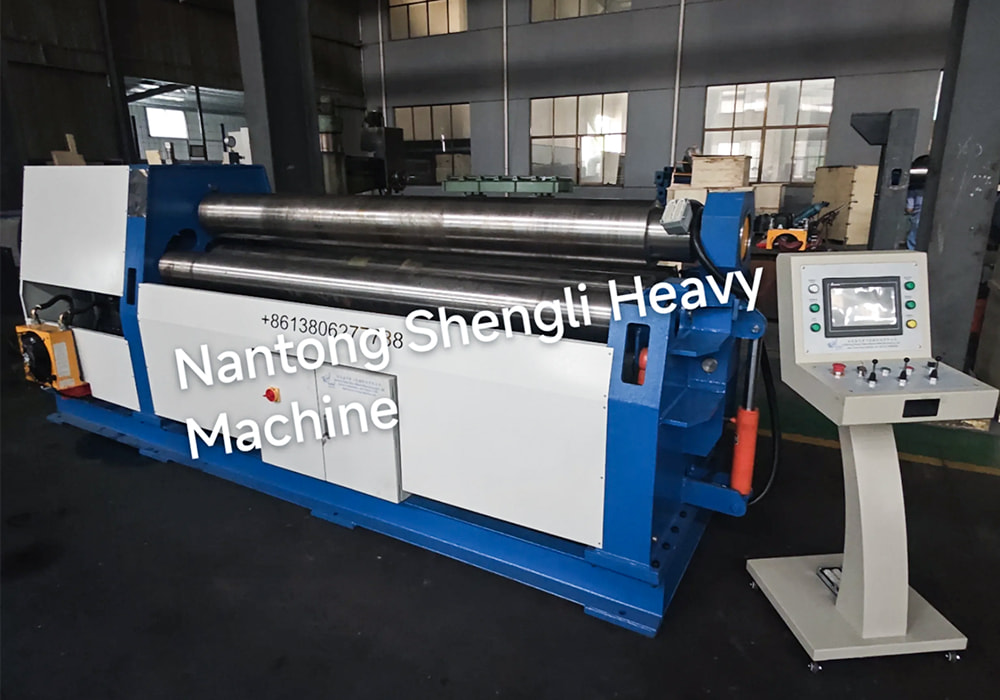 HDLW12-25×2500 Pipe Bending Rolling Machine
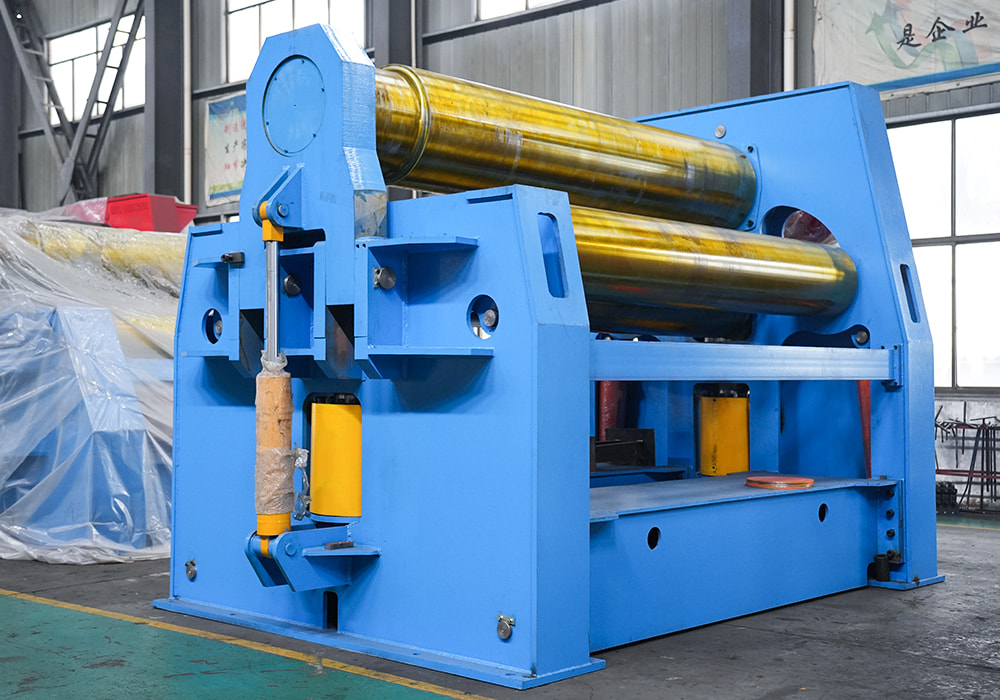 HDLW12-70×3200 CNC 4 Roll Metal Roll Bender
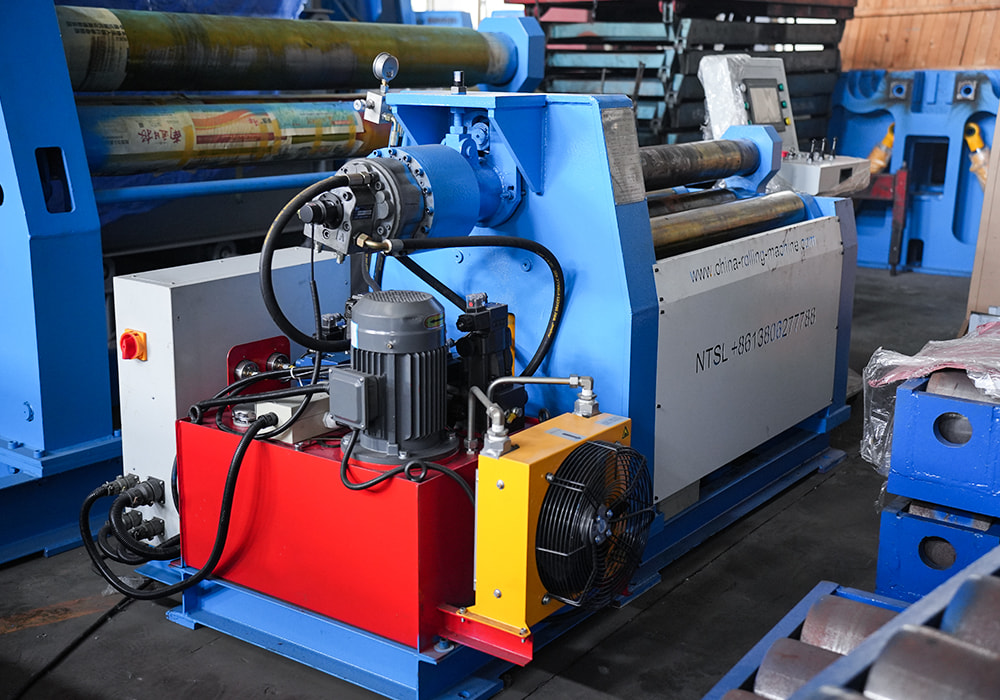 HDLW12-8×1000 4 Roll CNC Sheet Bending Machine

The company boasts strong technical capabilities, holds numerous national patents, and produces high-quality products that are widely recognized by customers both at home and abroad.

 Previous