English
 русский
 Español
Industry News
Home / News / Industry News / JCOE LSAW Pipe Mill Production Line: Key Capacity and Process Parameters
A 1,422 mm outside diameter, 25.4 mm wall X70 line pipe begins life as a flat plate roughly 4,000 mm wide. Before a single arc is struck, that plate has to be edge-milled, crimped at both edges, pressed into three different shapes, closed, tack welded, welded inside and out, expanded back to a true round and hydrostatically tested. Each of those operations is a machine decision, and each machine has a capacity limit that caps the entire line.
That is why a JCOE LSAW pipe mill production line should be evaluated as a chain of capacity envelopes and process parameters rather than as a list of equipment. Nantong Shengli Heavy Machinery Manufacturing Co., Ltd., which builds and sells under the Hengdeli brand from Nantong, China and dates its founding to 2003, supplies JCOE and RBE LSAW pipe mill production lines as complete process chains rather than single machines.
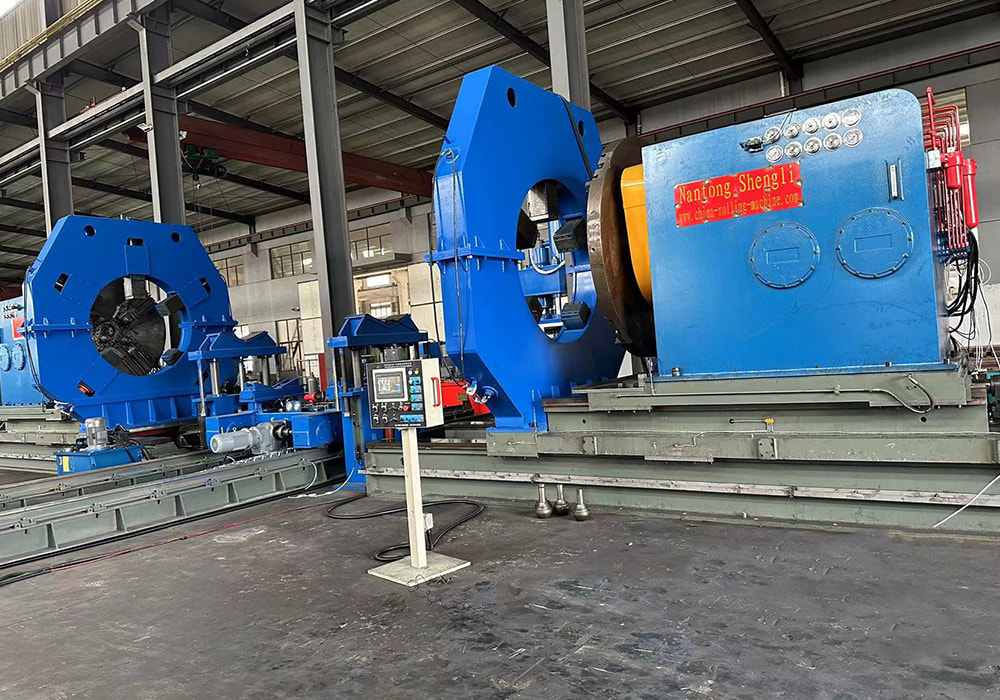 JCOE LSAW Pipe Mill Production Line Equipment OverviewView the equipment types that make up a JCOE LSAW pipe line, from edge milling and pre-bending through forming, welding and expansion.View Product →
A JCOE LSAW pipe mill production line is a fixed-sequence plant that converts a flat steel plate into a longitudinal submerged-arc welded pipe through four forming strokes, J, C, O and E, followed by welding, expansion, testing and end finishing.
The letters describe the shape the plate takes inside the forming press, not a marketing sequence.
JCOE forming: J-forming presses one half of the plate into a curved J. The plate is rotated 180 degrees and C-forming bends the other half into a C. O-forming closes both halves into a full cylinder. E stands for mechanical expansion, where an internal expanding head pushes the pipe wall outward to correct ovality and diameter and to redistribute forming stress.
The stations between plate intake and finished pipe run in this order:
Four forming strokes decide the pipe. J, C, O and E set roundness, diameter and seam geometry before a single weld pass is run, which is why forming capacity is the first item to verify in a technical agreement.
Five numbers define what a JCOE line can physically produce: maximum plate thickness, maximum plate width, maximum pipe outside diameter, maximum pipe length and the forming force available at the molding press.
Everything else follows from those five. A press that cannot generate enough force at the required punch width will not close a heavy-wall O, however capable the welding stations are. An expanding mill rated for a narrower diameter band becomes the ceiling on the product mix, and a line laid out for 6 m plates cannot deliver 12 m pipe regardless of press capacity.
| Parameter | What it controls | What to verify |
| Plate thickness range | Finished wall thickness and the forming force needed to close the seam | Maximum thickness stated at the highest yield strength in the product mix, not at a nominal grade |
| Plate width | Maximum pipe circumference, and therefore maximum outside diameter | Whether width is limited by the press, the edge miller or the welding stations |
| Pipe outside diameter | Product mix, expanding mill range and end-facing capacity | Whether the range is continuous or restricted to discrete sizes |
| Pipe length | Whether the line can supply standard 12 m lengths | Foundation length, handling equipment and welding station travel |
| Forming force | Heaviest wall the press can close at a given punch width | Tonnage at the rated stroke and the punch width used in that rating |
LSAW line pipe is conventionally specified from 406 mm (16 inch) to 1,422 mm (56 inch) outside diameter, with wall thickness driven by design pressure and the applicable pipe standard. Confirm the exact envelope against the intended product mix rather than against the headline figure in a brochure.
Process parameters, not capacity, determine whether finished pipe passes inspection against API Spec 5L or its ISO 3183 equivalent.
Edge milling sets the weld groove geometry: bevel angle, root face and edge straightness. Milling is used instead of flame cutting on a JCOE line because the groove has to stay consistent over the full plate length, and that groove is what the submerged-arc weld fills. Pre-bending then crimps both plate edges to the final pipe radius before any full forming stroke. If the crimped edge radius does not match the finished radius, the two edges meet at an angle and produce peaking along the longitudinal seam.
The molding press works in strokes, and the stroke count is derived from punch width and target curvature. A narrow punch needs more strokes to reach the same radius but leaves smaller flat spots between contact points. Ask how many strokes the press needs for the thickest wall in the intended product mix, because that number drives cycle time directly.
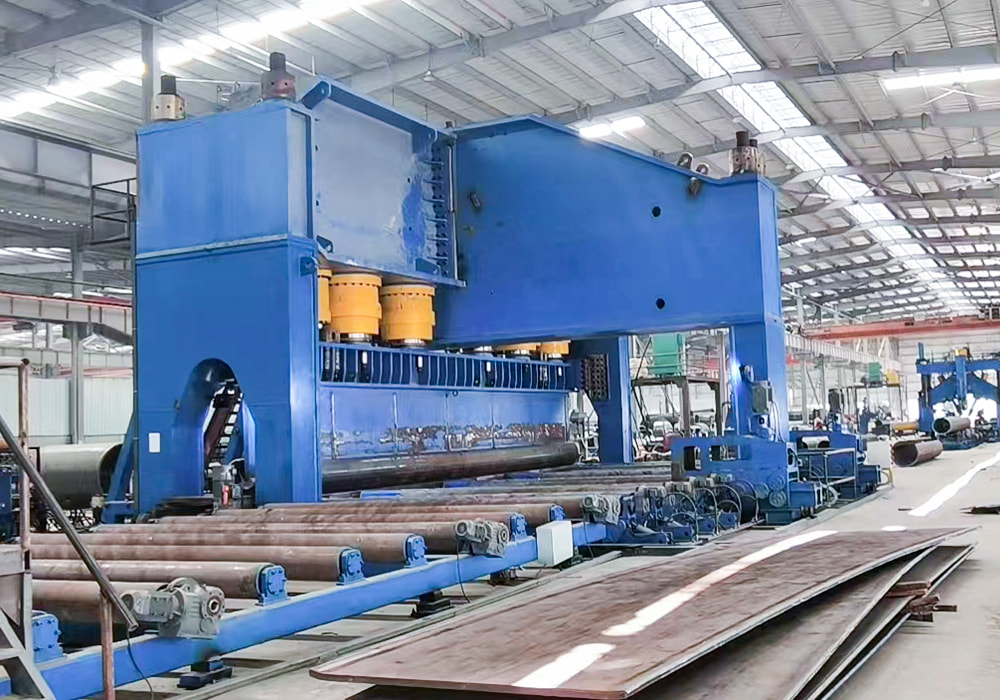 Molding Machine for JCOE LSAW Pipe ProductionCore forming equipment that bends steel plates in J, C and O stages, with CNC parameter storage for repeatable large-diameter pipe production.View Product →
The tack welding machine closes the seam and holds it while the internal and external welding heads run. Current, travel speed, wire count and interpass conditions are fixed by a qualified welding procedure specification before production starts. Weld quality is then verified non-destructively, typically by ultrasonic testing of the seam and radiographic testing where the purchase specification calls for it.
Expansion is the parameter most often left vague in a technical agreement. The expanding head pushes the wall outward by a set percentage of outside diameter, correcting ovality, bringing diameter into tolerance and redistributing residual stress left by forming. Ask for the expansion ratio as a number and for the diameter and ovality tolerances it must deliver; a ratio quoted without tolerances is not a specification.
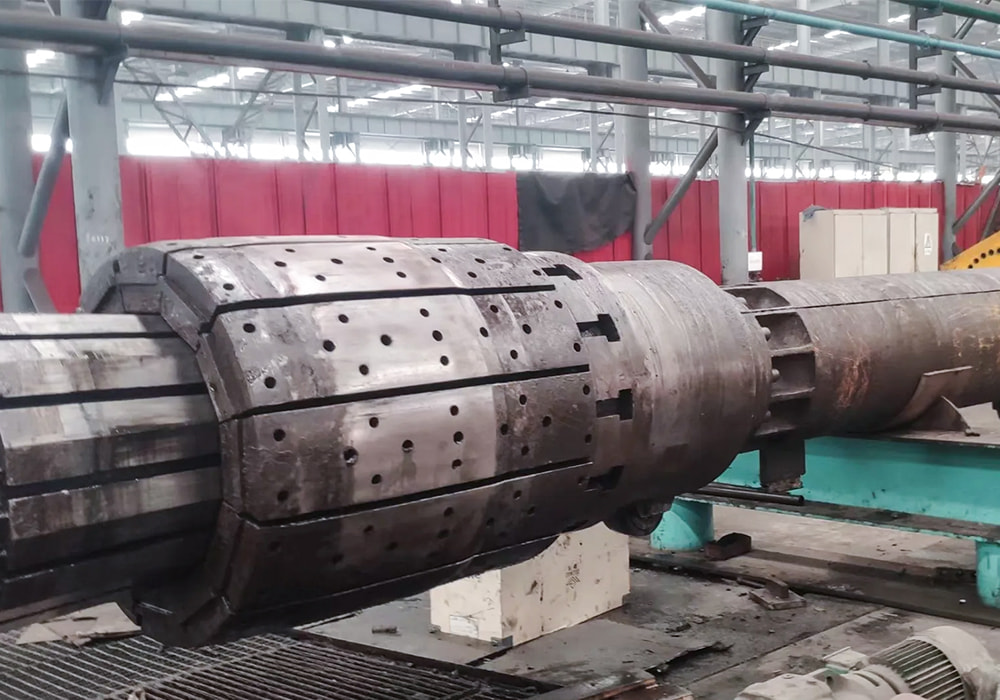 Expanding Mill Machine for JCOE LSAW Pipe LinesFinal calibration equipment that cold-expands welded pipe to correct ovality, diameter and residual stress, with CNC-stored settings for specification changes.View Product →
Every length is hydrostatically tested before delivery under API Spec 5L, then the pipe ends are chamfered to the bevel required for field welding. A full CNC chamfering machine holds the end bevel and pipe end squareness inside a tighter band than manual preparation, which matters when hundreds of girth welds are made on site.
JCOE and RBE produce the same product, an LSAW pipe, but form the cylinder in different ways, and the choice comes down to wall thickness, diameter range and how often the size changes.
Where the product mix spans several diameters and includes heavy wall, press forming gives more control over the crimped edges. Where the mill runs a narrow size band, roll forming is the leaner route.
A JCOE line quotation is only comparable when both suppliers answer the same technical questions.
Two quotations for the same nominal capacity can still differ by three stations. One supplier may quote the whole chain, edge milling, pre-bending, forming, welding, expanding and chamfering, while another quotes only forming and welding and leaves the rest to the buyer. Ask for a station-by-station list and match it against the process flow before comparing totals.
Supplier background belongs in the same review. Hengdeli publishes a dedicated page on how it ensures product quality, and a separate record of repeat purchases from existing customers, a useful signal when a forming line is a multi-year capital commitment rather than a one-off purchase.
UOE forming uses separate U-ing and O-ing presses plus a mechanical expander, while JCOE does the same job with a single progressive press that forms the plate in J, C and O strokes. UOE suits high-volume production of a narrow size range; JCOE needs less tooling investment and absorbs size changes more easily, which is why it is specified for mixed product mixes and heavy walls.
The limit is set by press tonnage, punch width and plate yield strength together, not by a single figure. A press that closes a given thickness at X42 will not reach the same thickness at X70 or X80. Ask for the maximum thickness at the highest yield strength in your product mix, and for the punch width used in that calculation.
API Spec 5L and its ISO 3183 equivalent are the usual references for line pipe, with GB/T 9711 used for domestic Chinese projects. They cover dimensional tolerances, hydrostatic testing, weld quality and marking. The purchase specification adds the non-destructive testing regime, the coating system and any sour-service requirements.
Peaking along the longitudinal seam traces back to pre-bending: if the crimped edge radius does not match the finished pipe radius, the edges meet at an angle instead of tangentially. Ovality that survives to final inspection points to the expansion stage, either an expansion ratio too low to correct the ovality produced during O-forming, or an expanding head that is not applying uniform radial load.
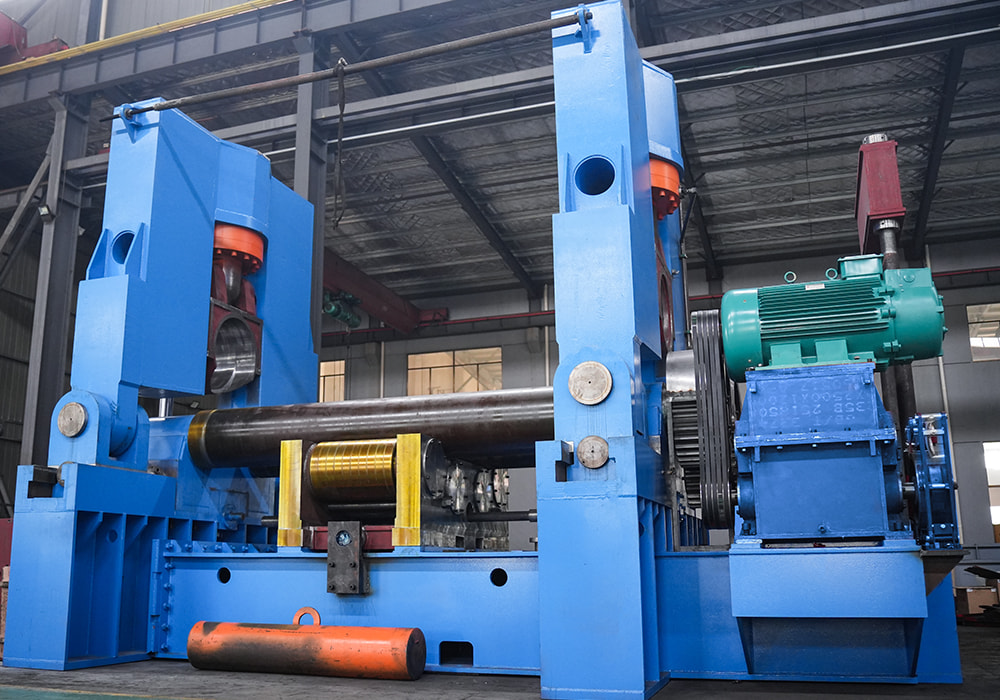 HDLW11S-120×3500 Upper Roller Universal 3-roller Plate Rolling Machine
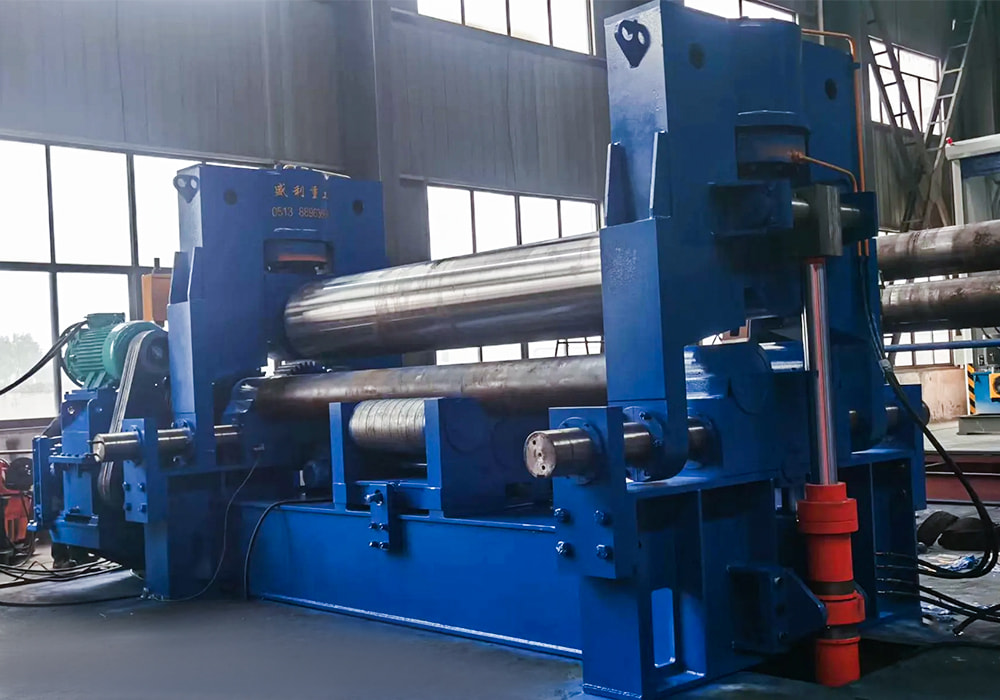 HDLW11S-50X3000 Upper Roller Universal 3-roller Plate Rolling Machine
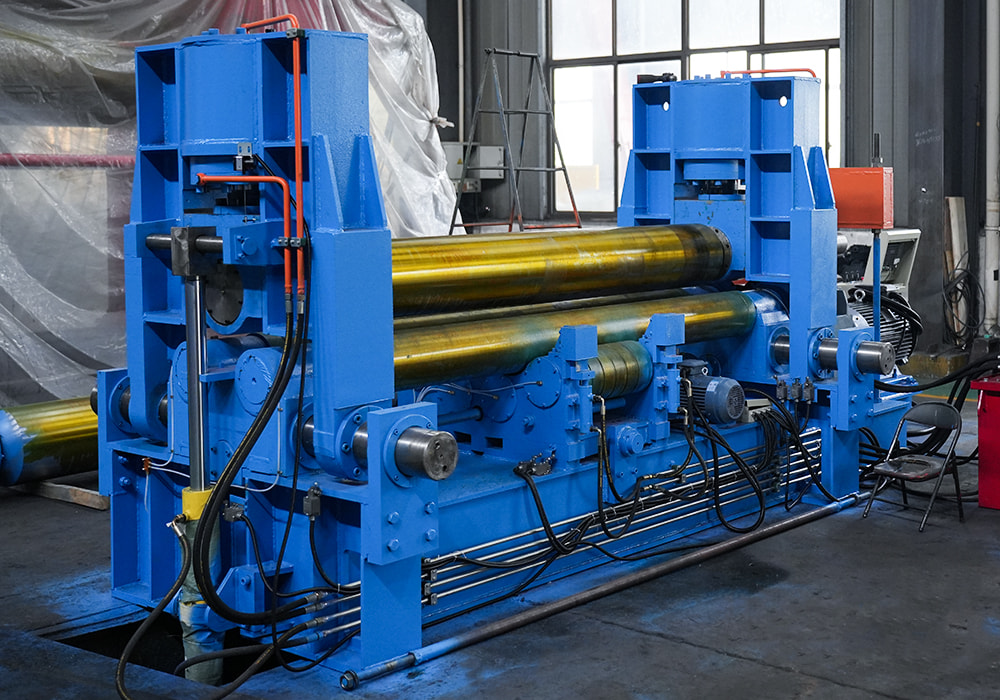 HDLW11S-30×3000 Upper Roller Universal 3-roller Plate Rolling Machine
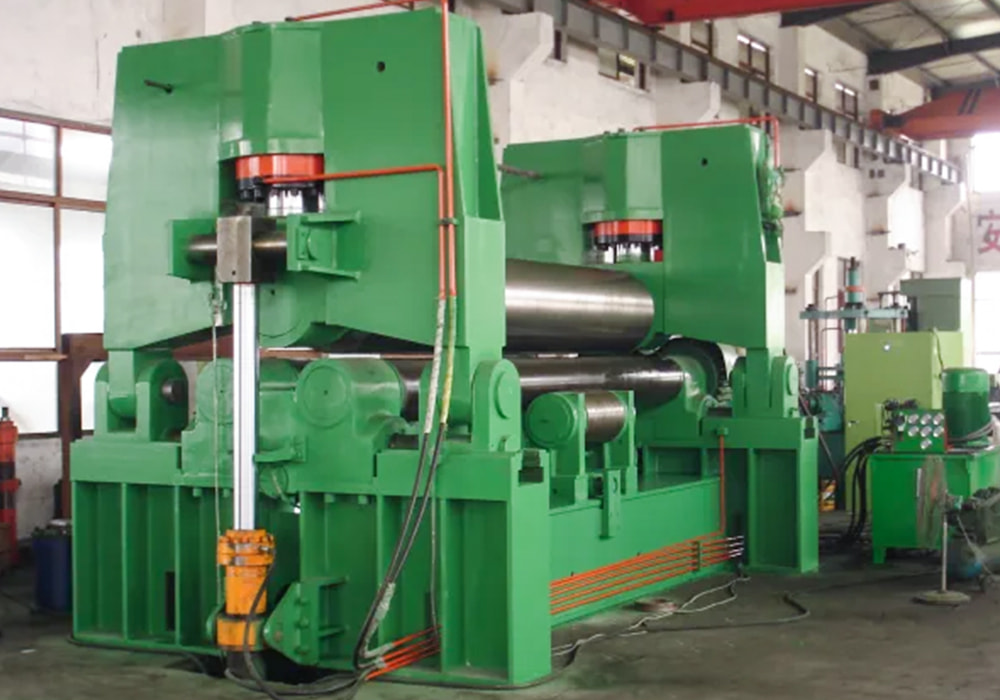 HDLW11X-100×3100 oblique 3-roller plate rolling machine
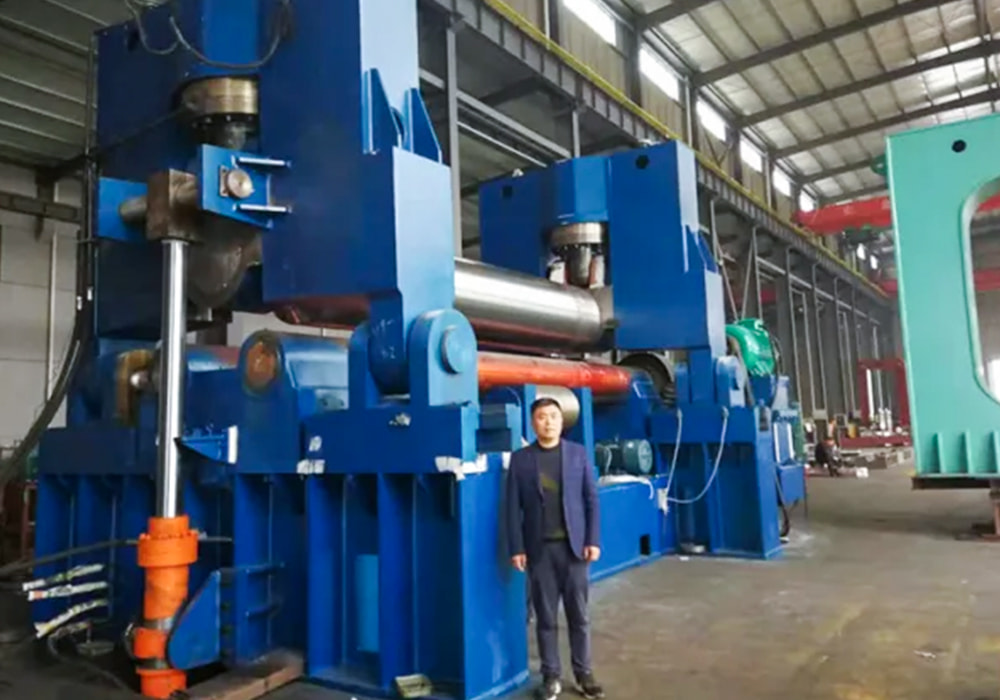 HDLW11-150X3200 hydraulic symmetrical 3-roll plate rolling machine
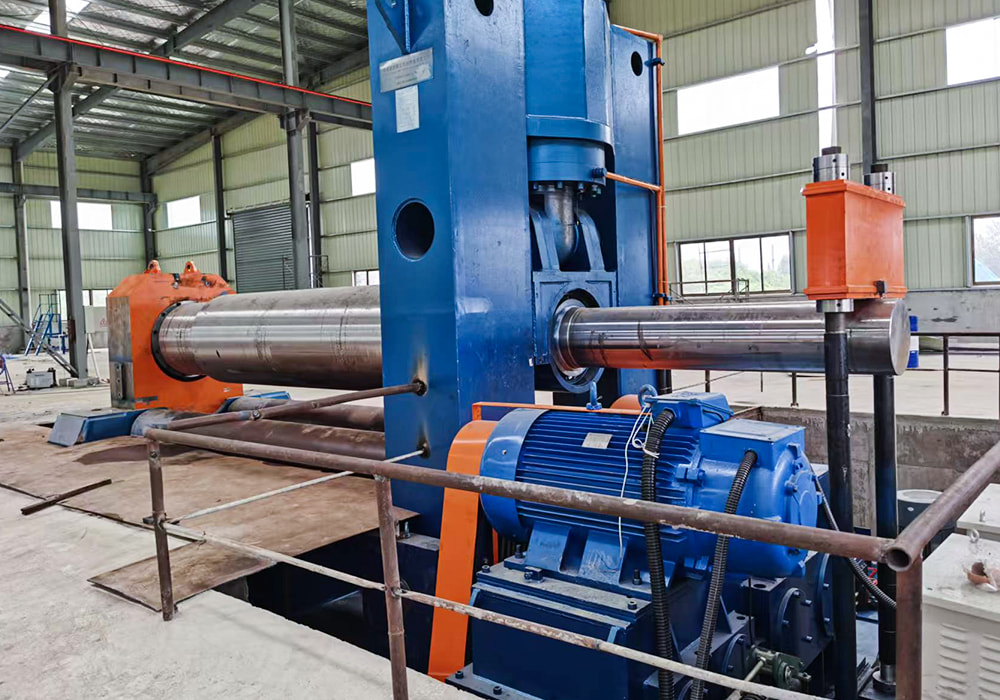 HDLW11-120X3500 Symmetrical 3 Roller Plate Rolling Machine
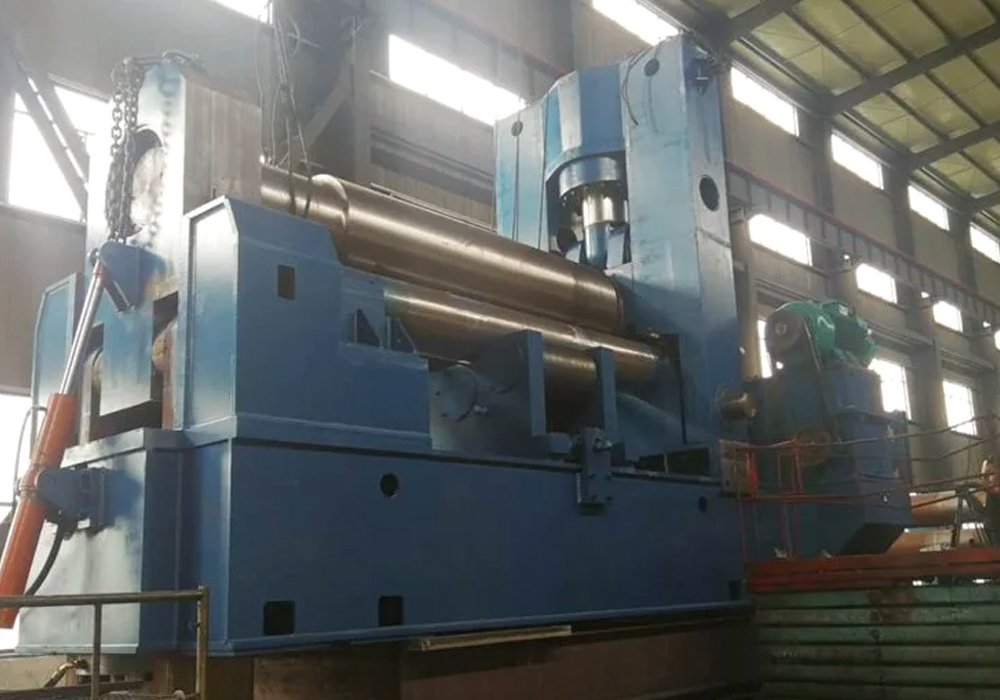 HDLW11-100X4200 pull-down 3 roller plate rolling machine
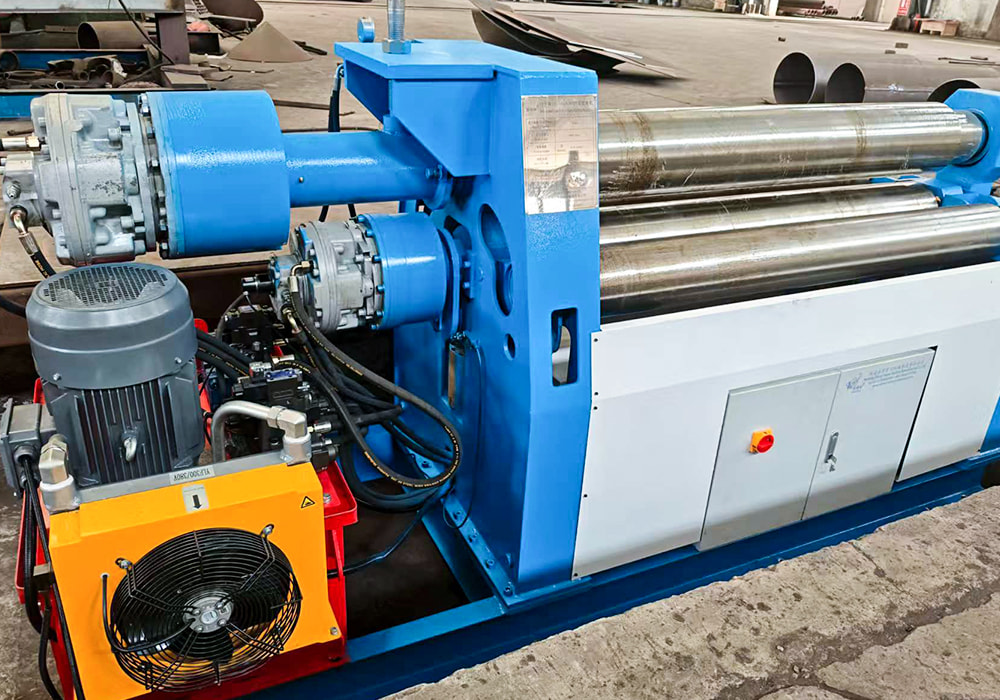 HDLW12-16x1600 CNC 4 Rolls Metal Sheet Bending Machine
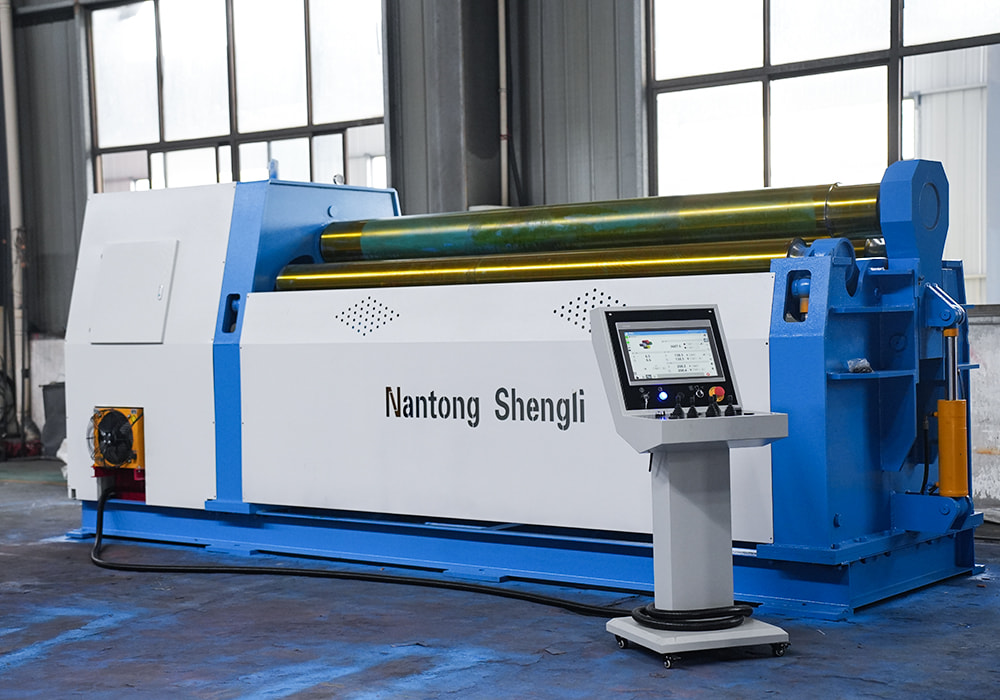 HDLW12-12×3000 4 Rolls Plate Bending Machine
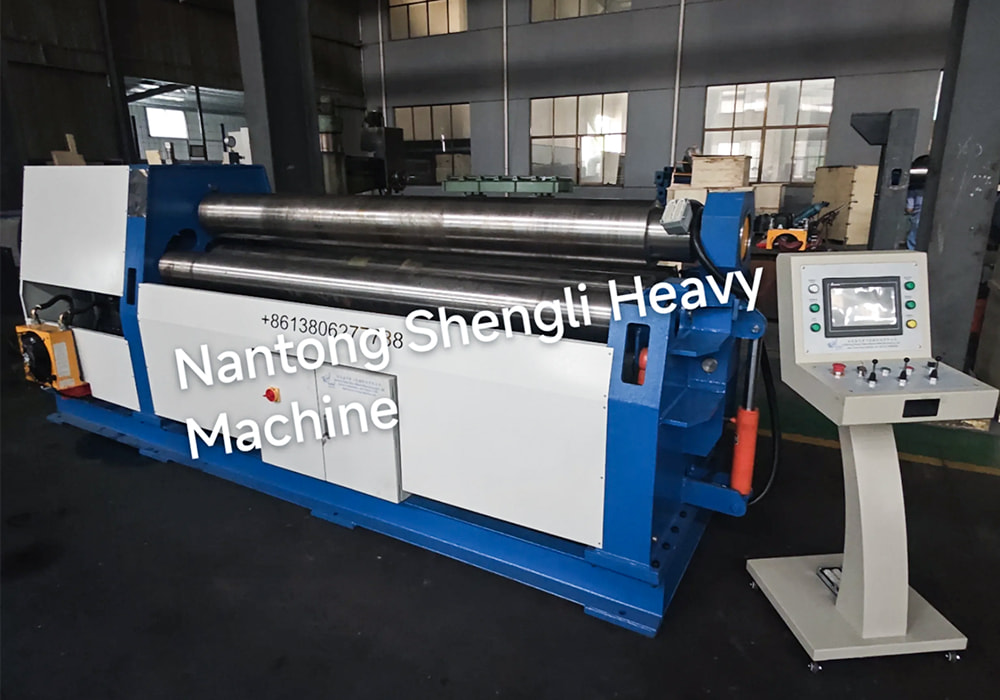 HDLW12-25×2500 Pipe Bending Rolling Machine
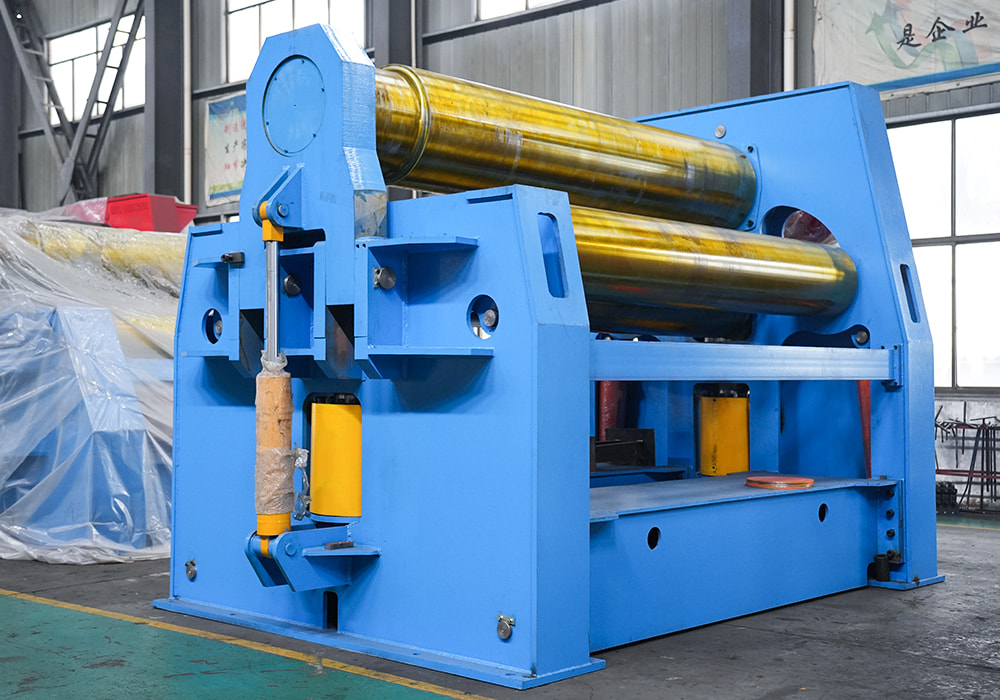 HDLW12-70×3200 CNC 4 Roll Metal Roll Bender
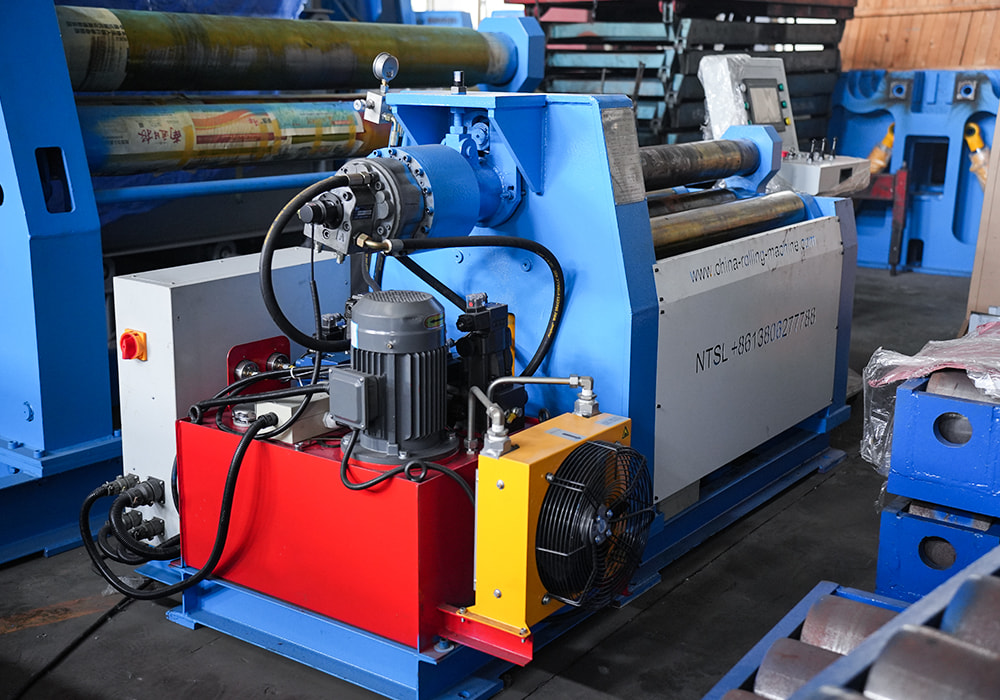 HDLW12-8×1000 4 Roll CNC Sheet Bending Machine

The company boasts strong technical capabilities, holds numerous national patents, and produces high-quality products that are widely recognized by customers both at home and abroad.

 Previous