English
 русский
 Español
Industry News
Home / News / Industry News / How Does a 4-Roller Plate Rolling Machine Work? Working Principle & Process
A fabricator walks into the shop with a 25 mm plate and a drawing that calls for a cylinder with both ends fully curved, no straight flats left at the edges. On a three-roll machine that job means extra handling: pre-bend each edge on a press, or roll the body and then trim the tails. A 4-roll plate rolling machine does it in a single setup. It pre-bends the leading edge, rolls the full cylinder, pre-bends the trailing edge, and finishes the part without the plate ever leaving the machine. That one capability is the most practical reason shops choose four-roll machines, and it is also the clearest way to understand how they work.
A four-roll machine is a double-initial-pinch plate roll. It forms the plate by pressing it between a fixed top roll and an adjustable bottom roll, while two side rolls apply the force that creates the bend. The top roll is the driven roll; its rotation feeds the plate through the machine. The bottom roll moves vertically and acts as the clamping roll, holding the plate firmly against the top roll. Both side rolls move diagonally toward the plate and push the material past its yield point, which is what makes the bend permanent.
Because both side rolls can pinch the plate against the top roll, the machine can work from either direction. The operator feeds the plate in from one side, pre-bends the leading edge, rolls the body, and then uses the opposite side roll to pre-bend the trailing edge before the tail passes the pinch point. This eliminates turning the plate around or transferring it to a separate press.
The geometry is what matters. The top roll defines the inside radius of the finished shell, and the side roll position determines how deeply the plate is bent on every pass. In hydraulic machines, the side rolls are driven by cylinders controlled through synchronized valve circuits, so the operator or the CNC can set an exact roll position and get the same radius across the full length of the plate.
Every 4-roll machine works around the same arrangement: one top roll fixed in the frame, one bottom roll that clamps, and two side rolls that do the bending. The table below summarizes the role of each roll.
| Roll | Movement | Main job |
|---|---|---|
| Top roll | Fixed axis, driven rotation | Feeds the plate and defines the final inside radius |
| Bottom roll | Vertical up and down | Clamps the plate against the top roll and releases it for unloading |
| Left side roll | Diagonal up and inward | Pre-bends the leading edge and controls the running bend |
| Right side roll | Diagonal up and inward | Pre-bends the trailing edge and fine-tunes the radius |
On most hydraulic machines, each side roll moves in a guided slide pushed by a cylinder, so the roll stays parallel to the top roll over its whole length. Roll surfaces are hardened and ground because contact pressure is high and the contact area is small. On a machine that handles 8,000 mm wide plates, even minor roll wear shows up as a visible line on the surface of every part, which is why roll quality and maintenance schedules matter.
A full cycle on a 4-roll machine follows the same sequence whether the machine is manual, semi-automatic, or CNC-controlled.
On CNC machines, position feedback from encoders and proportional hydraulic valves lets the controller repeat the same cycle for every part. The operator stores roll positions, the number of passes, and correction values, so the second shell and the fiftieth shell come out with the same diameter.
Pre-bending means curving the leading and trailing edges of the plate to the required radius before the full body is rolled. Without it, the edges of a rolled shell stay flat for a short distance, sometimes called the upset or the flat tail. When the shell is welded, those flat sections create a local change in curvature that is hard to correct. Shops either trim the straight edges off, wasting material, or press them in a separate operation, adding crane time and labor.
A 4-roll machine performs both edge pre-bends in the same cycle as the body rolling. This gives three measurable benefits: material savings because the full plate width is used, fewer handling operations because the plate never leaves the machine, and a rounder shell that is easier to weld and size. For thicker plates, where trimming is expensive and pressing the edges requires a large press, the 4-roll layout becomes even more valuable.
The choice between a 3-roll and a 4-roll machine usually comes down to how much edge quality matters in the finished part.
| Criterion | 3-roll machine | 4-roll machine |
|---|---|---|
| Pre-bending | One edge at a time; the plate is usually turned around | Both edges in one loading, no turning |
| Plate handling | More crane time and operator involvement | One setup from load to unload |
| Thick plate capability | Often needs operator skill or a separate press | Controlled edge bending with hydraulic side rolls |
| Automation | Basic positioning on many models | Full CNC cycles available on 4-roll models |
| Initial investment | Lower | Higher, with faster cycle time |
This is not a judgment against three-roll machines. For thin sheet and simple cylinders, a 3-roll machine is cheaper to buy and simpler to maintain. The 4-roll design earns its higher price where plate thickness exceeds roughly 12 to 16 mm, where seam quality is critical, or where parts are produced in batches and repeatability must stay high.
Four-roll machines are the standard choice for tank shells, pressure vessel bodies, wind tower sections, and large-diameter pipe. These parts share one requirement: the seam must be round and the two long edges must be pre-bent so the longitudinal weld closes cleanly.
For tank manufacturing, a wide machine such as the 8,000 mm wide 4-roll machine built for oil tank shells can roll the full shell from one plate pass, reducing the number of longitudinal seams per tank.
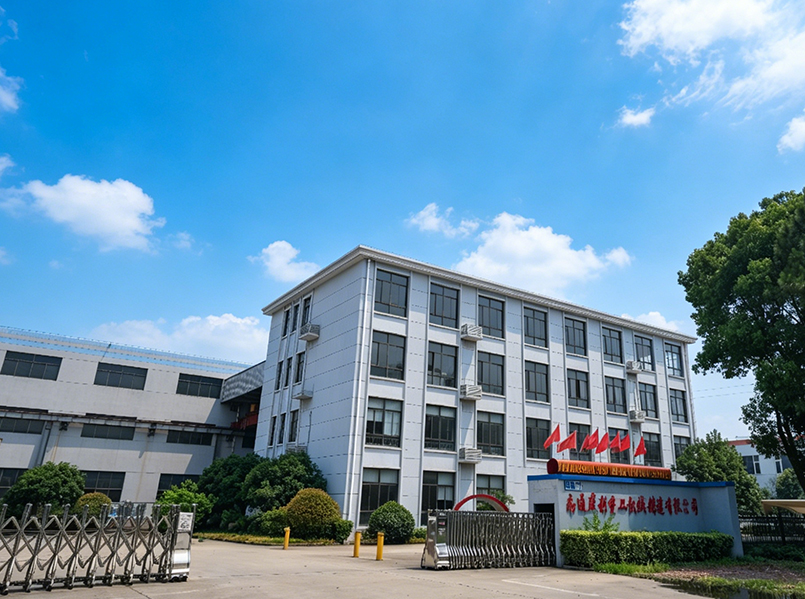 https://www.hdlplaterolls.comNantong Shengli Heavy Machine Manufacturing Co., Ltd.View Product →
Specifying a four-roll machine starts with four numbers: the maximum plate thickness, the maximum plate width, the yield strength of the material you actually bend, and the smallest shell diameter you need to produce. The combination of these values, not the thickness rating alone, determines the required rolling force and the roll diameter.
CNC is not a marketing feature on a 4-roll machine. Because the side roll position is set through the hydraulic circuit, a control system with position feedback removes the guesswork from repeat runs. If you produce batches of identical shells, the CNC version pays for itself quickly. Heavy rolling work, for example, is where a CNC 4-roll plate machine with programmable side rolls saves the most setup time.
https://www.hdlplaterolls.comNantong Shengli Heavy Machine Manufacturing Co., Ltd.View Product →
A bending machine is a long-term asset. Repeat purchases from existing customers say more than any brochure, and the way a manufacturer answers how it ensures product quality shows how seriously it treats tolerances. Ask about roll material, slide guidance, hydraulic seals, and the test procedure before shipment. An export client base across different markets is another useful signal, because machines shipped abroad have to be set up and supported outside their home country. If your product mix includes tower sections, a hydraulic 4-roll bending machine configured for wind tower plates is worth evaluating against the same criteria.
https://www.hdlplaterolls.comNantong Shengli Heavy Machine Manufacturing Co., Ltd.View Product →
The machine that is right for one shop is wrong for another. Start with the plate sizes you actually run, then compare how each candidate handles edge pre-bending, control, and service. A 4-roll plate rolling machine is not complicated once the logic is clear: clamp, pinch, bend, and feed. Its real value is that the operator keeps control of the plate from the first edge to the last. That control is what makes the finished shell round, the seam clean, and the next part identical to the first.
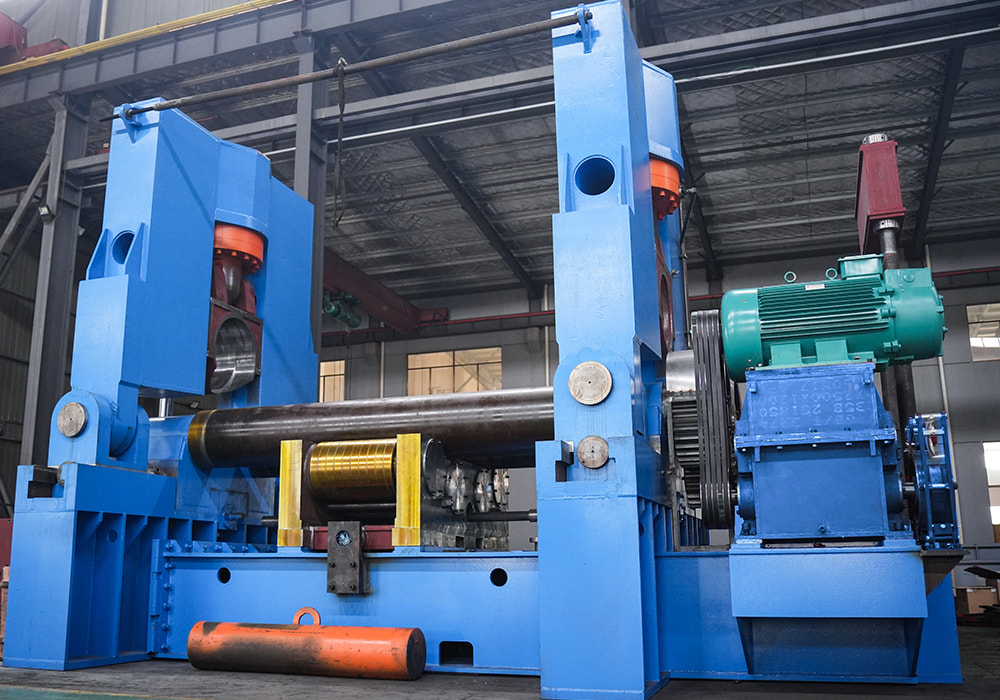 HDLW11S-120×3500 Upper Roller Universal 3-roller Plate Rolling Machine
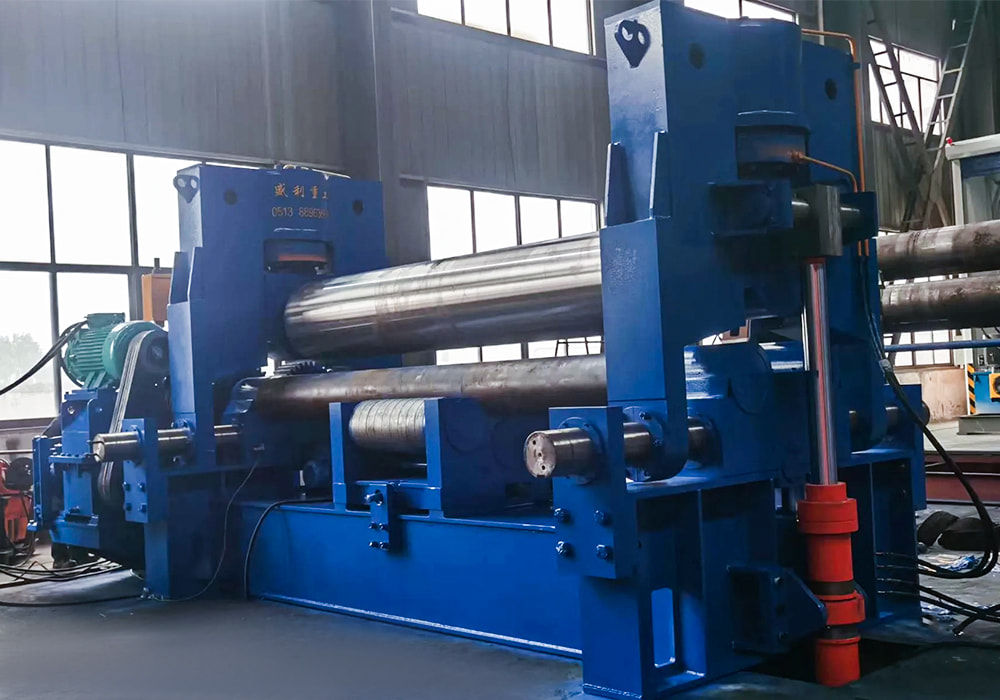 HDLW11S-50X3000 Upper Roller Universal 3-roller Plate Rolling Machine
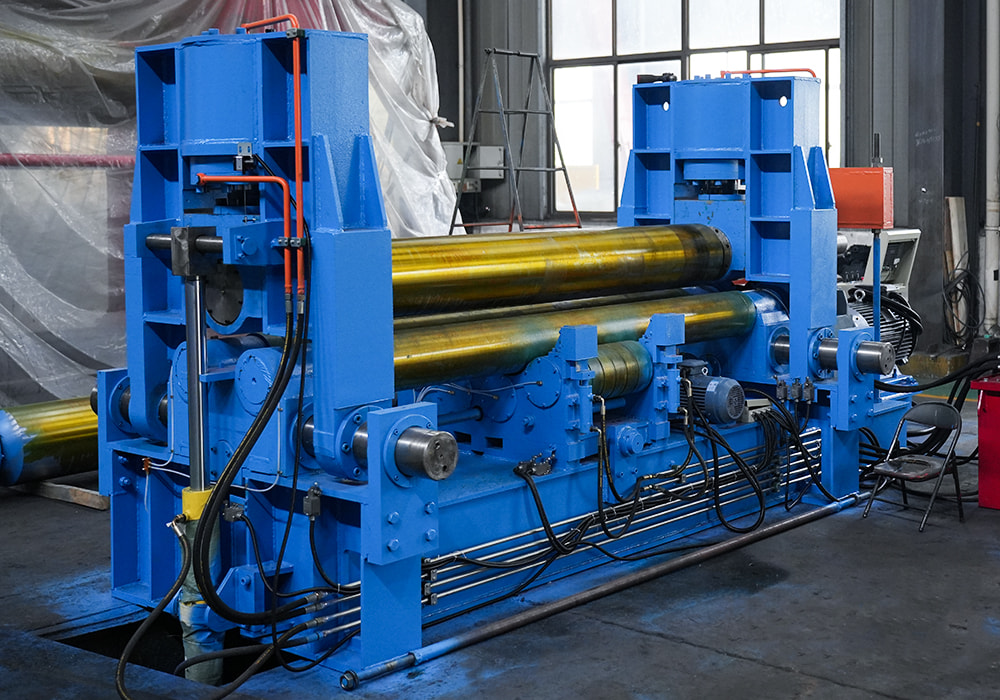 HDLW11S-30×3000 Upper Roller Universal 3-roller Plate Rolling Machine
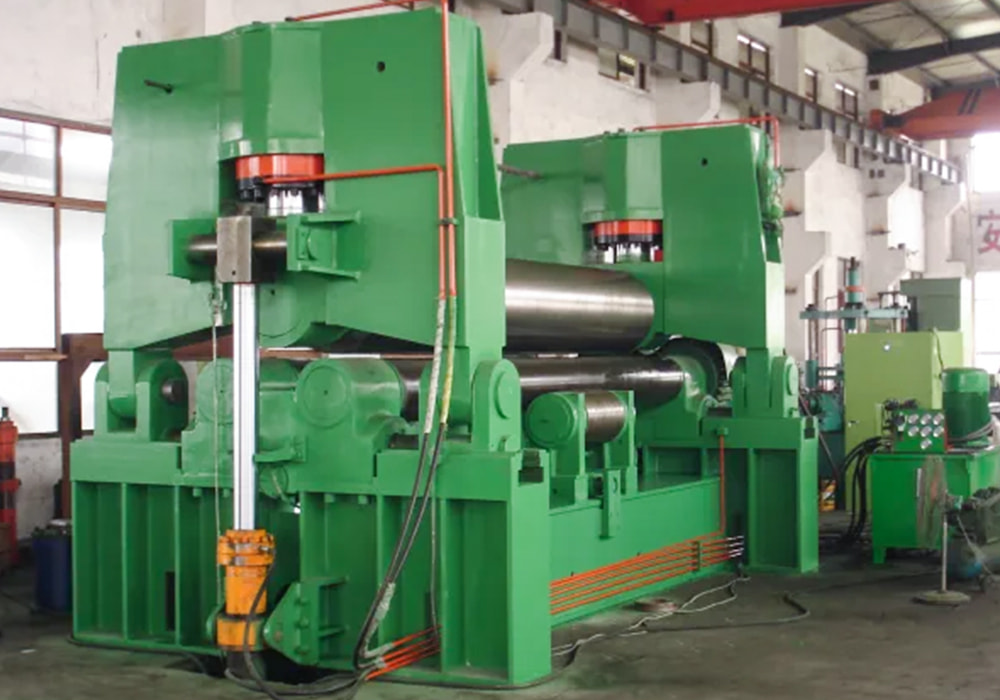 HDLW11X-100×3100 oblique 3-roller plate rolling machine
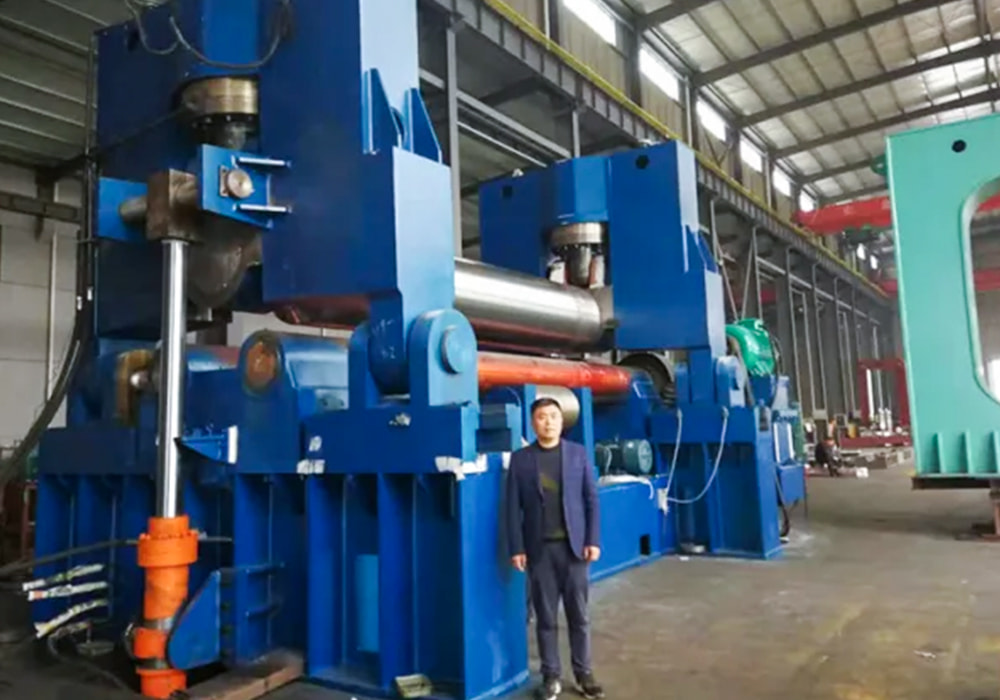 HDLW11-150X3200 hydraulic symmetrical 3-roll plate rolling machine
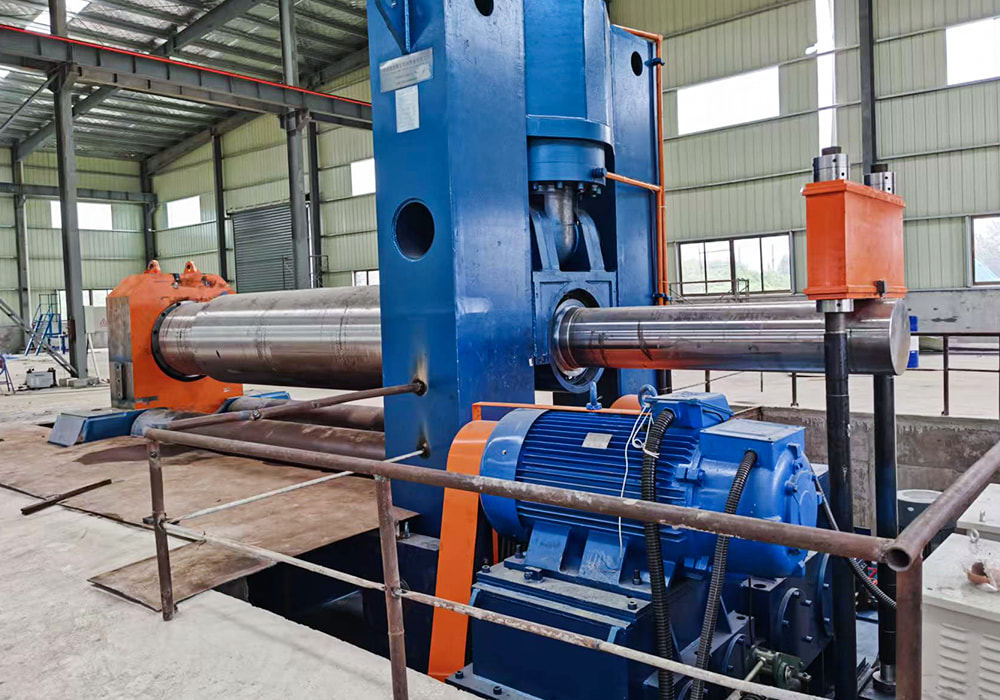 HDLW11-120X3500 Symmetrical 3 Roller Plate Rolling Machine
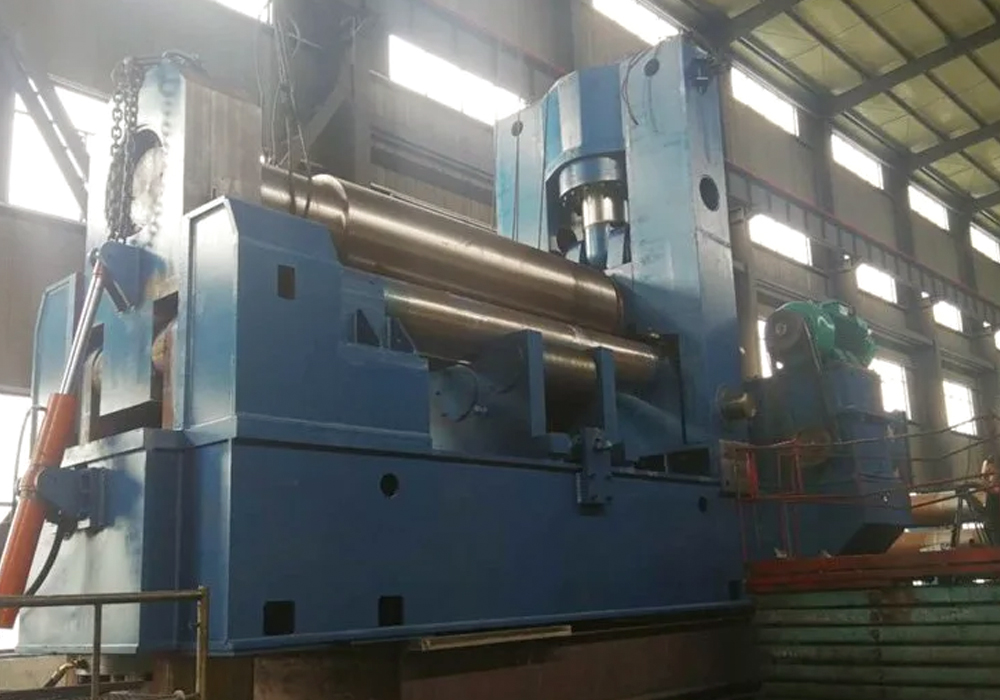 HDLW11-100X4200 pull-down 3 roller plate rolling machine
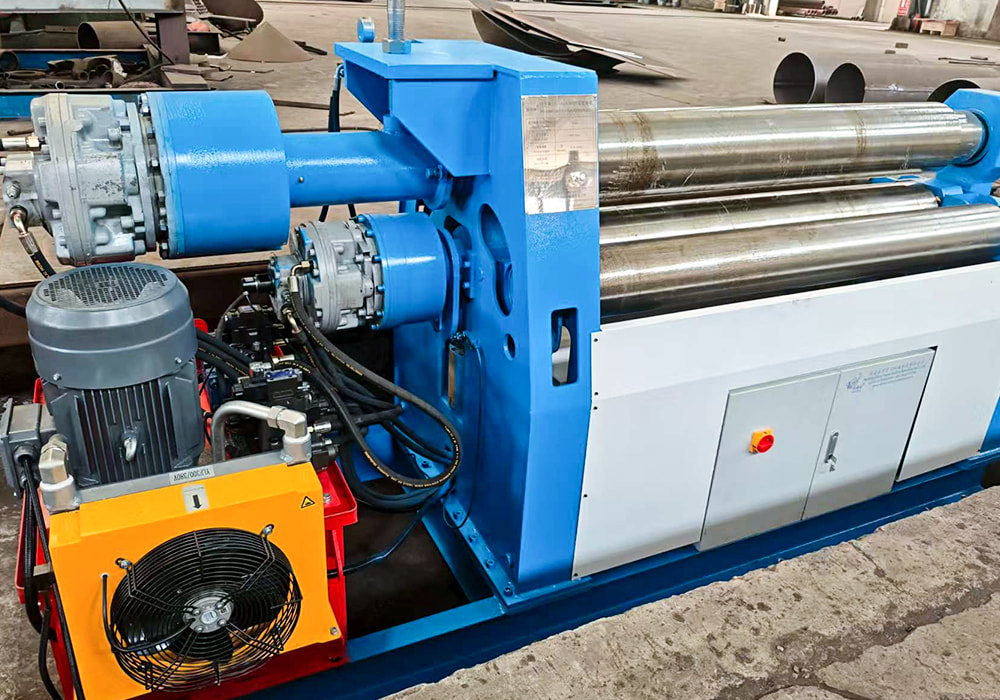 HDLW12-16x1600 CNC 4 Rolls Metal Sheet Bending Machine
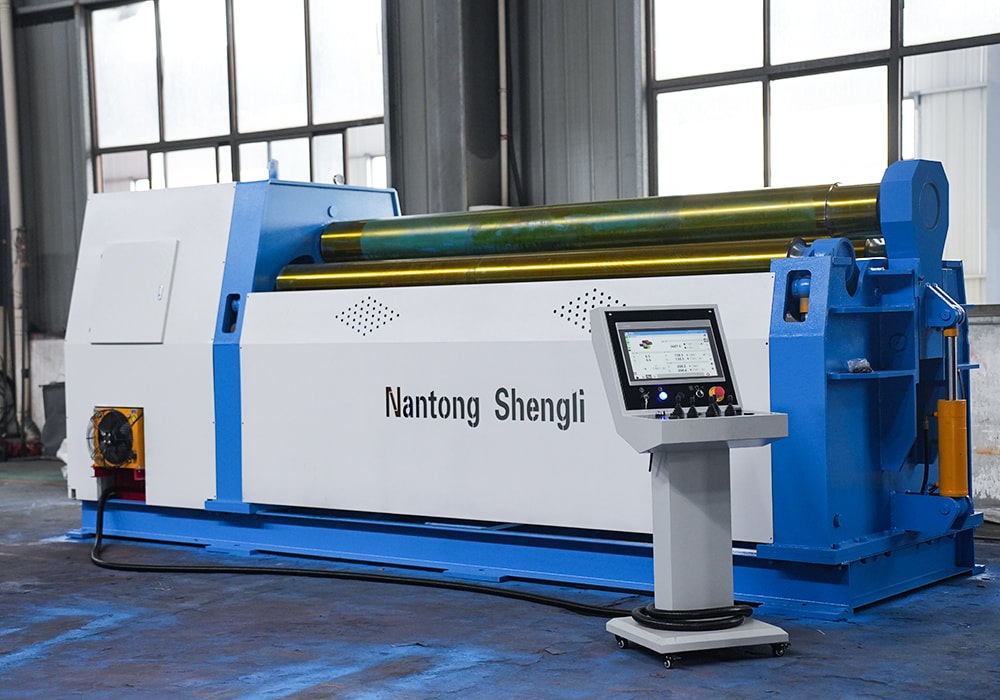 HDLW12-12×3000 4 Rolls Plate Bending Machine
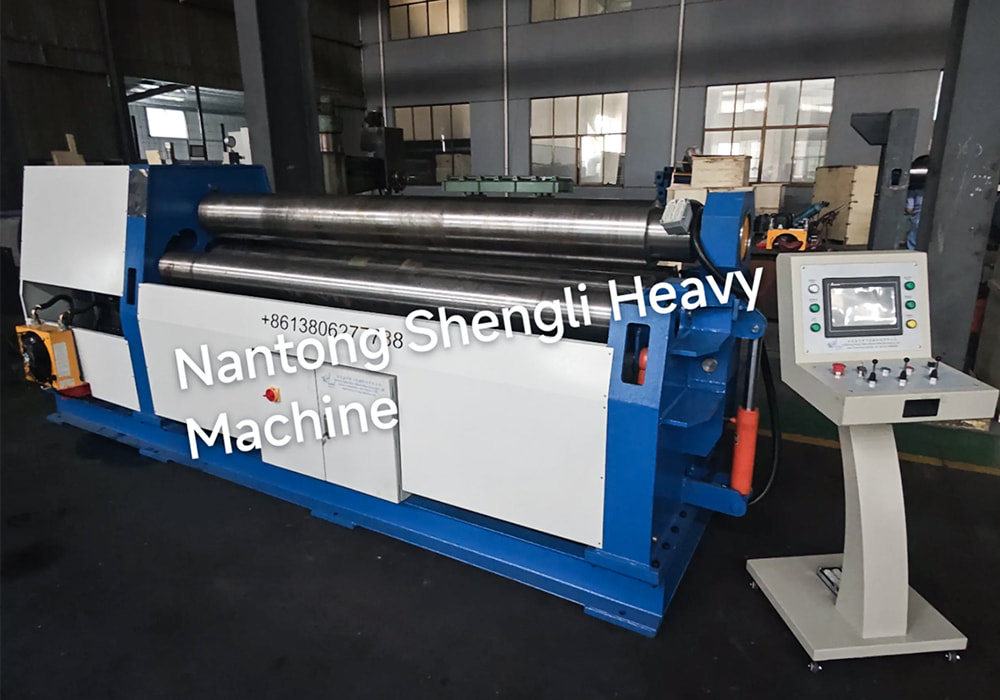 HDLW12-25×2500 Pipe Bending Rolling Machine
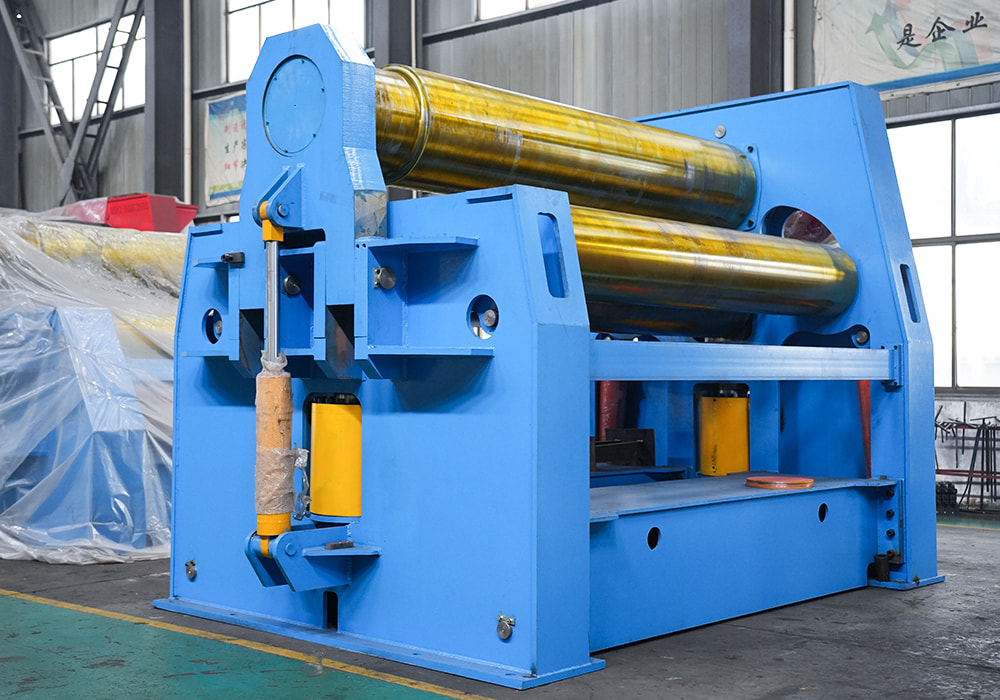 HDLW12-70×3200 CNC 4 Roll Metal Roll Bender
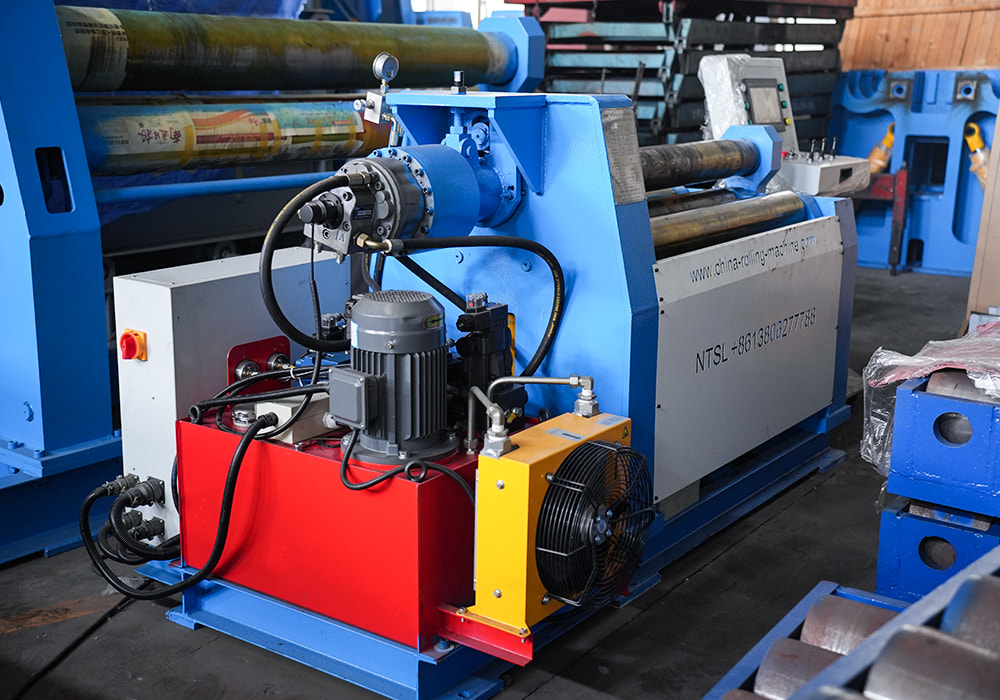 HDLW12-8×1000 4 Roll CNC Sheet Bending Machine

The company boasts strong technical capabilities, holds numerous national patents, and produces high-quality products that are widely recognized by customers both at home and abroad.

 Previous