English
 русский
 Español
Industry News
Home / News / Industry News / How 4-Roller Plate Rolling Machines Improve Metal Forming Processes in Production
A storage-tank fabricator rolls 25 mm by 2500 mm plates into shell courses. On a conventional three-roll machine, the operator pre-bends one edge, releases the plate, flips it end-for-end with an overhead crane, and re-clamps before the cylinder can be closed. A four-roller plate rolling machine eliminates most of that handling.
The practical question behind this article is how four-roller plate rolling machines improve metal forming processes in daily production. The answer is mechanical: because the side roll can engage the plate edge while the top and bottom rolls hold it in place, the operator pre-bends both ends in the same setup and then completes the cylinder without turning the workpiece. That is why tank, wind-tower, and pipe fabricators increasingly specify a four-roller plate rolling machine for their shell lines.
Start with the conclusion: a four-roll machine pre-bends both plate edges first, then rolls the cylinder in the same clamping position. Edge pre-bending is the operation in which the plate end is curved to the target shell radius before the main bending pass, so no flat section remains at the weld seam.
On a symmetrical three-roll machine, bending force cannot create the required curvature at the very end of the plate. The operator must turn the plate 180 degrees to reach the second edge, and in practice both ends stay flatter than the rest of the shell. Welders then close a stiffer, more oval seam. A four-roll machine transfers pre-bending to the side roll while the plate remains clamped, producing full-width curvature and a rounder shell before welding begins.
Machine geometry, not operator skill, controls the sequence. In a typical four-roll layout, the top roll is fixed and driven, two bottom rolls lift the plate against it, and a side roll moves horizontally to apply the bending force. The plate never changes position between pre-bending and rolling.
Because the top-roll position is fixed and the stroke is set from the control panel or CNC unit, repeat shells hold the same diameter. Operators no longer compensate for a rolled-in edge or a shifted plate, and a medium-shop crew can run the machine without a specialist roller.
 HDLW12-40×3200 CNC Four-Roll Plate Rolling MachineThis CNC four-roll machine fixes the top roll and sets stroke from the control panel, so repeat shells hold the same diameter. It removes re-clamping and crane lifts, letting medium-shop crews run without a specialist roller.View Product →
Cycle time drops because handling disappears, and accuracy stabilizes because geometry does the work. A direct layout of a 25 mm plate shell shows the scale of the change: the four-roll cycle removes two crane lifts, one re-clamping step, and most of the seam-alignment guesswork.
The difference comes from the sequence, not from a faster motor. The symmetrical machine stops, the operator releases the plate, the crane turns it, and the operator re-clamps. The four-roll machine simply moves the side roll to the other edge. On long runs of identical shells, the saving compounds.
The deciding factors between machine types are edge pre-bending, handling, and the amount of operator judgment the process requires. The table below compares what changes with each configuration.
| Capability | 3-Roll Symmetrical | 3-Roll Variable Axis | 4-Roll Hydraulic |
| Edge pre-bending | Requires plate turning | Partial, with repositioning | In-line, both edges |
| Plate turns per shell | 2 | 1 to 2 | 0 |
| Straight-edge length at seams | Higher | Moderate | Minimal |
| Operator dependency | High | Moderate | Low |
| CNC / PLC automation | Limited | Available | Standard option |
The fourth roll earns its keep most clearly in three applications: tank shells, wind-tower sections, and oil-and-gas pipe. Each application changes the geometry priorities and the machine specification.
Tank shells need round cross-sections and weld-ready seam edges across plate widths that often exceed 3000 mm. An ultra-long hydraulic four-roll machine keeps the side-roll travel consistent along the whole shell, reducing the ovality that causes fit-up problems at the next course. For oil-storage tanks, a wide lightweight configuration such as the HDLW12-8x8000 rolls a full course in one pass.
HDLW12-8×8000 4-Roller Plate Rolling Machine for Oil TanksThis wide 4-roll machine rolls a full oil-tank course in one pass, keeping side-roll travel consistent across plates over 3000 mm. It reduces ovality and fit-up problems, ensuring weld-ready seam edges.View Product →
Wind-tower cans are formed from high-strength plate with a tight diameter tolerance, because flange fit-up at the tower joints must stay within millimeters. Four-roll machines hold the closing diameter between the first shell and the fiftieth shell of a series, which tower fabricators treat as the primary acceptance test.
LSAW pipe production starts with plate edges that must be pre-bent to an exact radius before forming. The ultra-long hydraulic four-roll machines built for pipe mills pre-bend the full edge length in one setup, which directly affects wall-thickness consistency and the weld gap in JCOE and RBE lines.
Ultra-Long Hydraulic 4-Roll Bending Machine for TanksThis ultra-long hydraulic four-roll machine pre-bends full edge lengths in one setup, which is critical for LSAW pipe production. It supports wall-thickness consistency and weld-gap control, and must be matched to the plate's actual yield strength.View Product →
Match the machine to the plate grade, not just to the nominal thickness. A 25 mm rating on carbon steel is not the same as a 25 mm rating on high-yield steel, and the side roll must produce enough pre-bend force for the target radius at the actual yield strength.
Hengdeli has built three-roll and four-roll machines since 2003 and ships them to export markets in multiple regions. The HDLW12 series alone spans from 8 mm to 70 mm rolling thickness at widths up to 3200 mm, within a plate-forming portfolio that extends to 180 mm thickness and 4000 mm width. In capital equipment, practical signals matter: repeat-purchase customers order additional machines when new lines come online, and factory audits are a normal part of the purchasing process.
The main difference is edge pre-bending. A four-roll machine pre-bends both plate edges with a side roll while the plate stays clamped, so no plate turning is required. A symmetrical three-roll machine needs two plate turns and leaves longer flat zones at the longitudinal seams.
No machine produces a perfect cylinder without some calibration. A four-roll machine produces consistent roundness with minimal straight edges, which makes spring-back predictable and weld fit-up much easier. Final roundness depends on plate yield strength, rolling speed, and whether the operator performs a closing or calibration pass.
They require less manual skill than symmetrical three-roll machines. The top roll position is fixed, and the side-roll stroke is set on the control panel or CNC unit, so the main operator tasks are loading the plate, setting the program, and monitoring the pass.
Four-roll machines cover a wide range. Hengdeli's HDLW12 series includes machines from 8 mm to 70 mm rolling thickness at widths up to 3200 mm, plus specialized oil-tank, wind-tower, and LSAW pipe configurations. The actual limit is the machine's pre-bend force at your steel's yield strength, so the selection must be based on the specific plate grade.
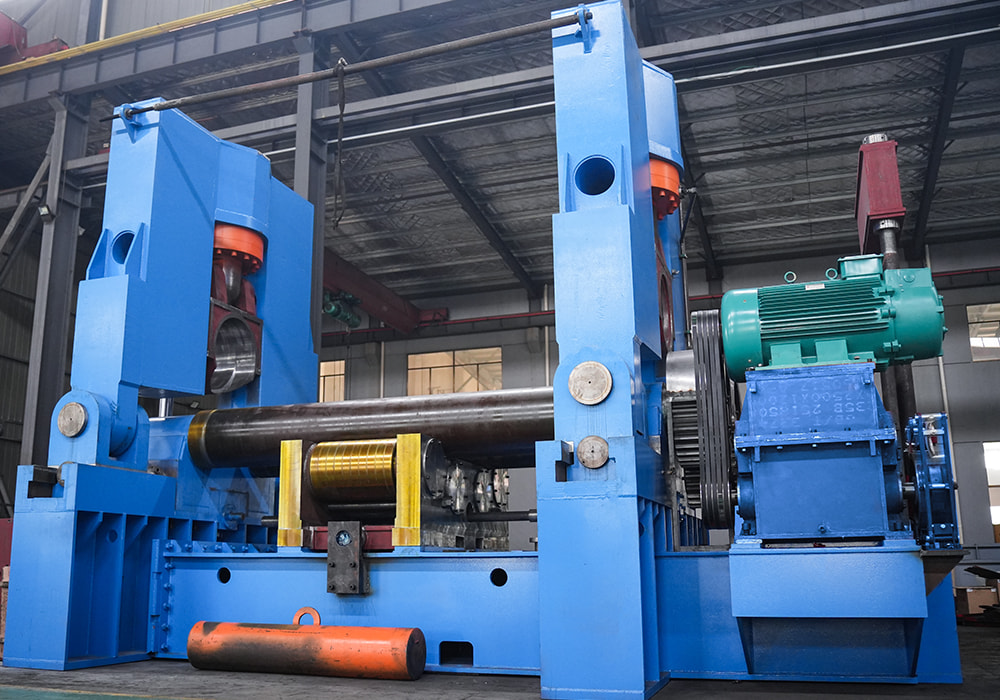 HDLW11S-120×3500 Upper Roller Universal 3-roller Plate Rolling Machine
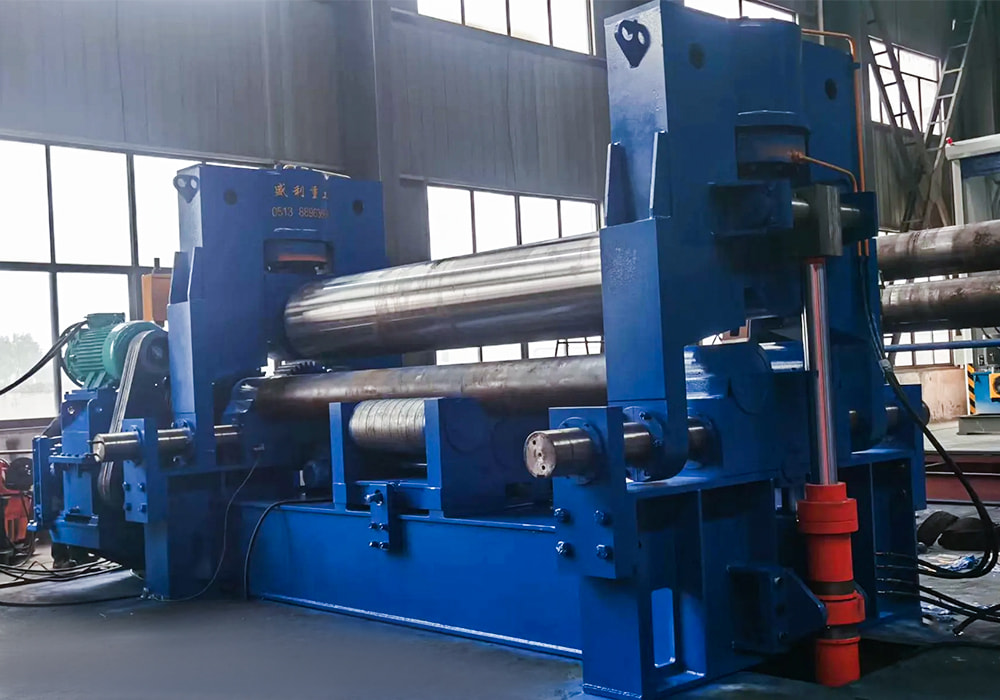 HDLW11S-50X3000 Upper Roller Universal 3-roller Plate Rolling Machine
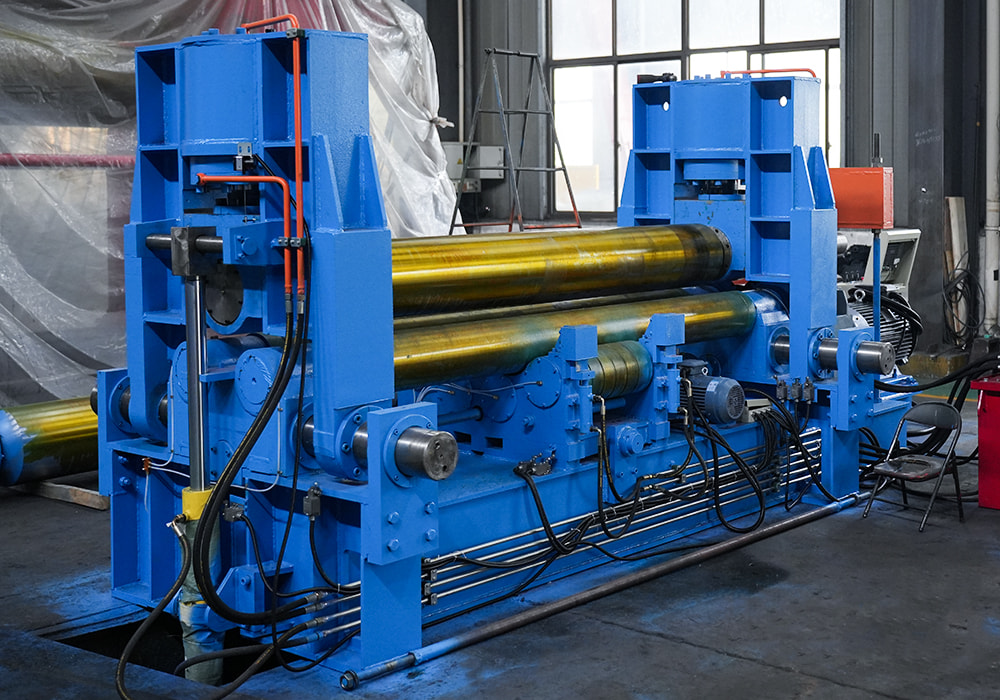 HDLW11S-30×3000 Upper Roller Universal 3-roller Plate Rolling Machine
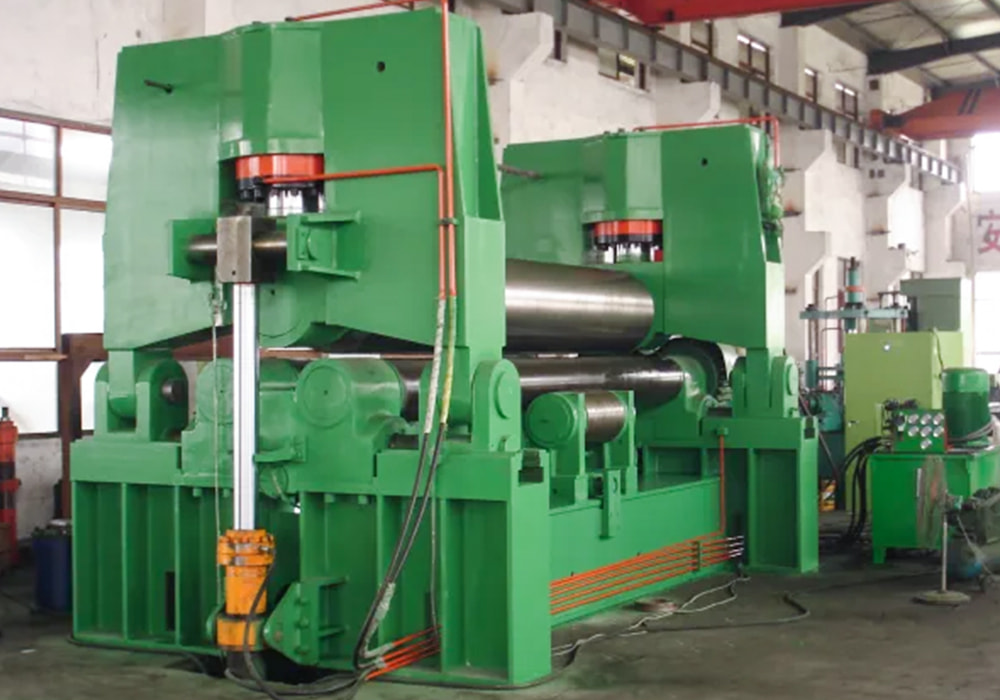 HDLW11X-100×3100 oblique 3-roller plate rolling machine
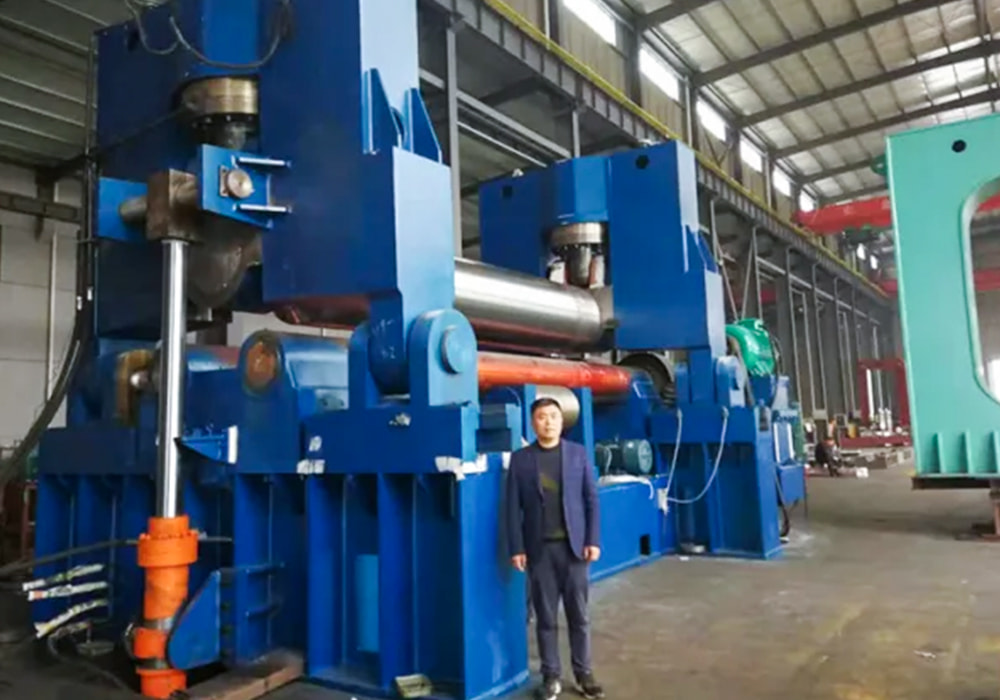 HDLW11-150X3200 hydraulic symmetrical 3-roll plate rolling machine
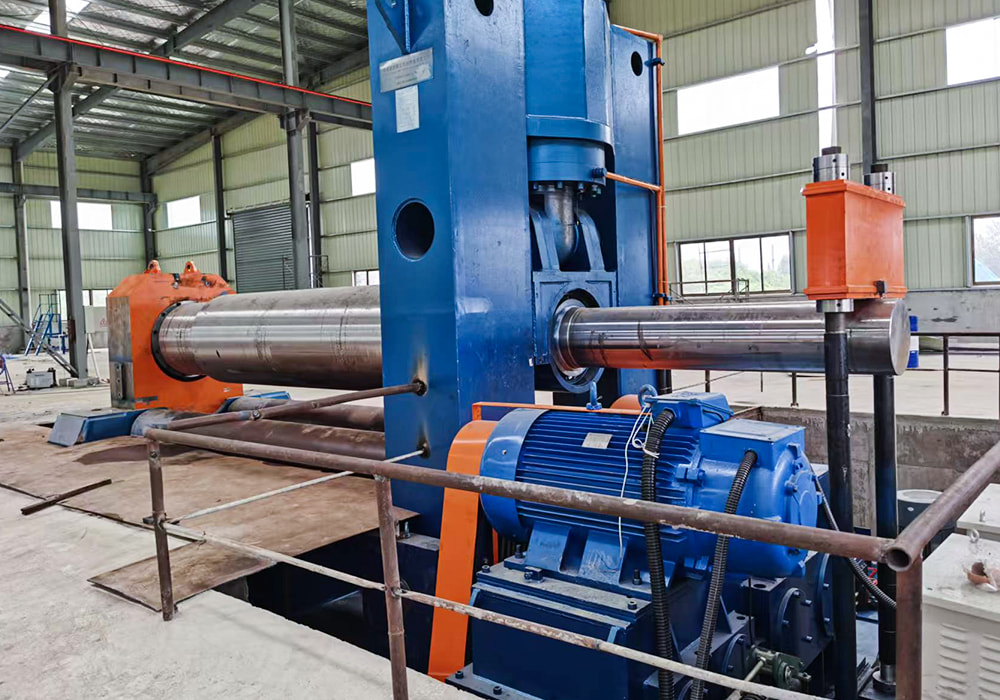 HDLW11-120X3500 Symmetrical 3 Roller Plate Rolling Machine
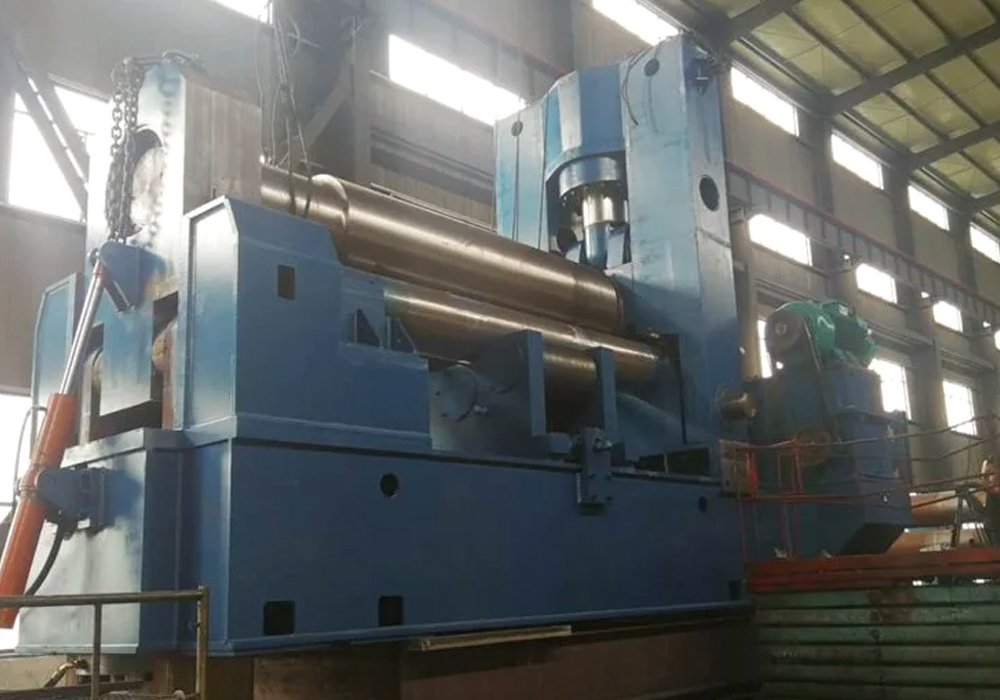 HDLW11-100X4200 pull-down 3 roller plate rolling machine
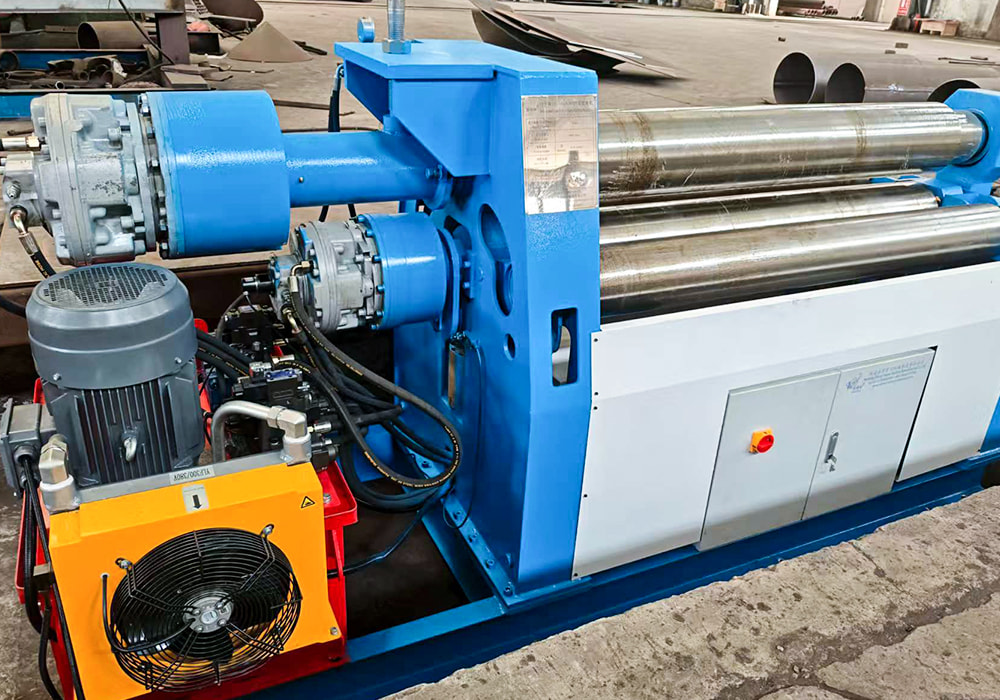 HDLW12-16x1600 CNC 4 Rolls Metal Sheet Bending Machine
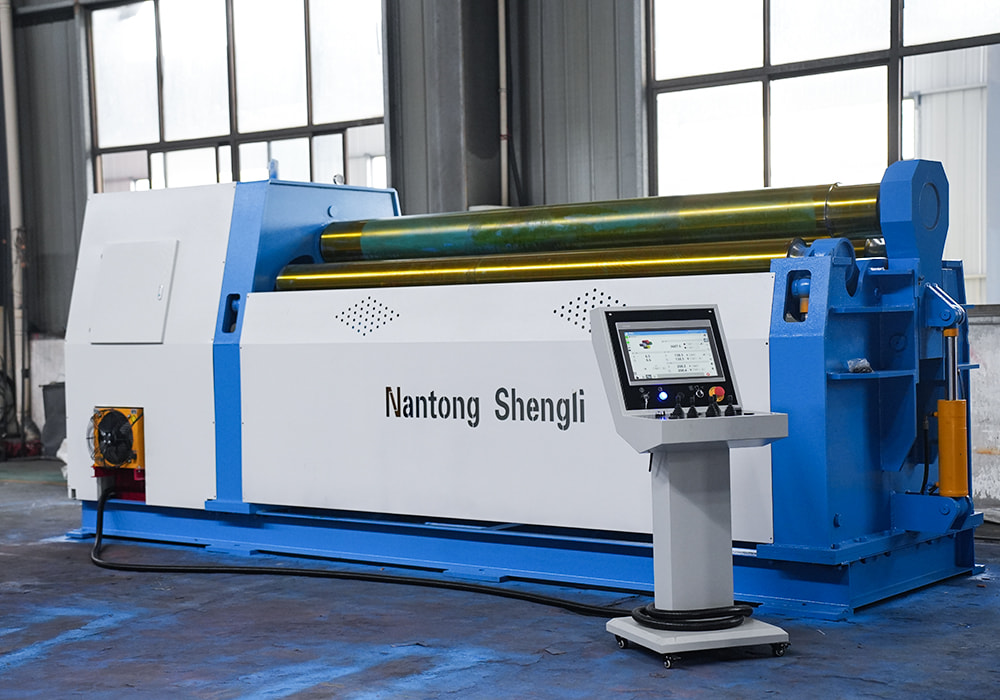 HDLW12-12×3000 4 Rolls Plate Bending Machine
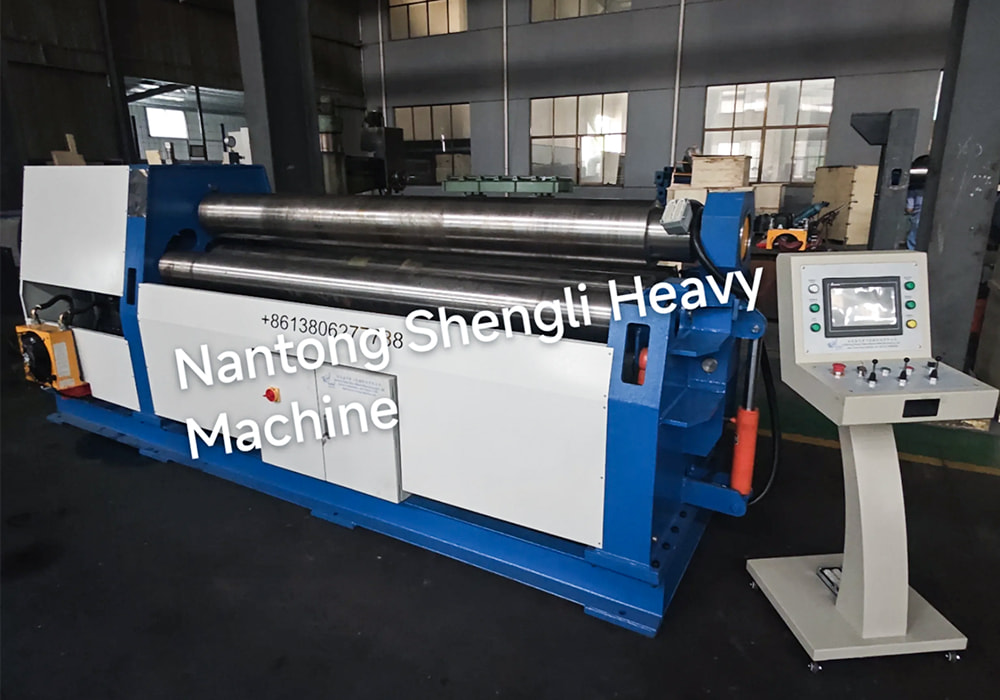 HDLW12-25×2500 Pipe Bending Rolling Machine
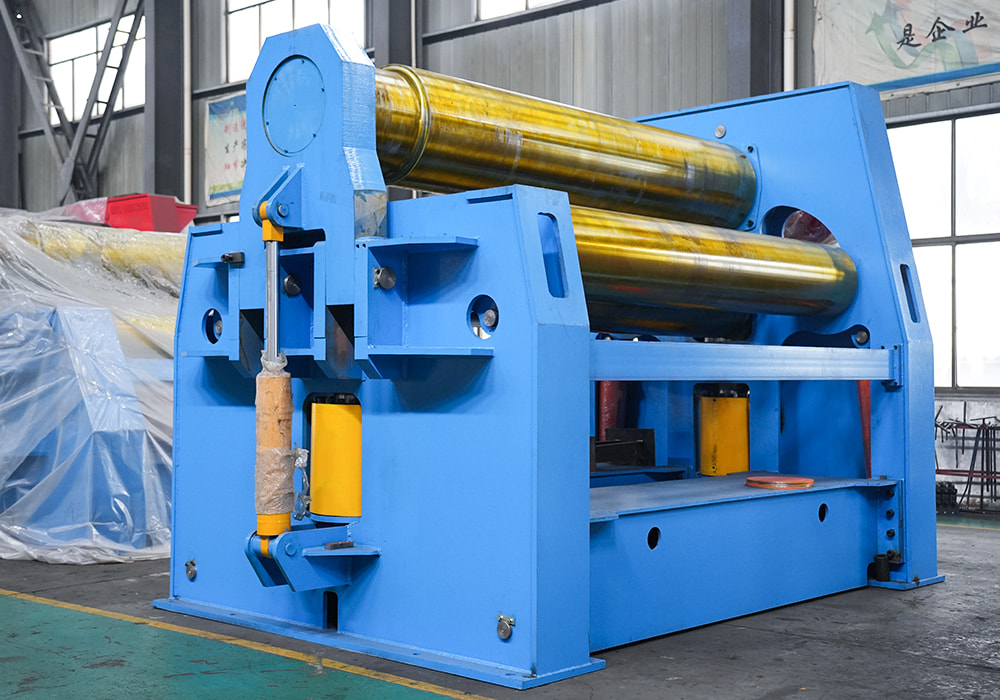 HDLW12-70×3200 CNC 4 Roll Metal Roll Bender
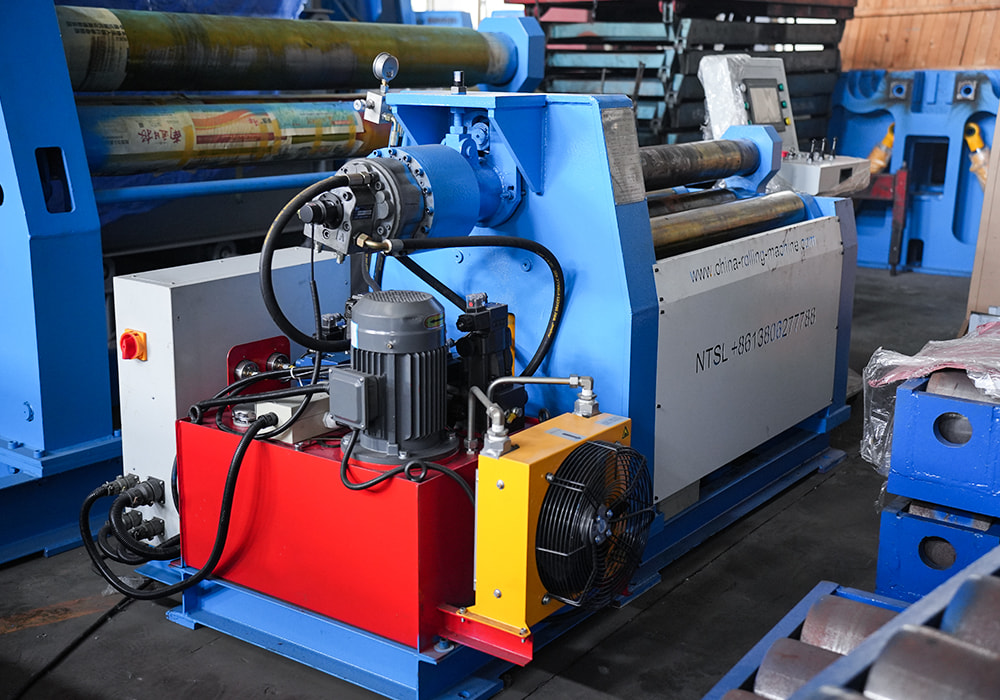 HDLW12-8×1000 4 Roll CNC Sheet Bending Machine

The company boasts strong technical capabilities, holds numerous national patents, and produces high-quality products that are widely recognized by customers both at home and abroad.

 Previous