English
 русский
 Español
Industry News
Home / News / Industry News / CNC 4-Roller Plate Rolling Machine Technology Explained in Full | Hengdeli
Plate Rolling Technology | HengdeliEvery shell fabricator hits the same bottleneck: pre-bending both edges of a thick plate without losing alignment or adding crane time. A CNC 4-roller plate rolling machine removes that bottleneck in a single loading cycle — clamp the plate, pre-bend the leading edge, switch to the opposite side roll, pre-bend the trailing edge, and finish the cylinder with programmed passes. Hengdeli, the metal forming equipment brand of Nantong Shengli Heavy Industry Machinery Manufacturing Co., Ltd., builds its HDLW12 four-roll series around exactly this sequence, backed by a core range of more than 100 plate rolling specifications and forming capacity up to 180 mm plate thickness and 4000 mm width.
A CNC 4-roll machine pre-bends both plate edges in a single loading cycle, without rotating the plate between operations. The mechanical layout makes this possible: a driven top roll supplies the rotation force, a hydraulically raised bottom roll clamps the plate against it, and two independently positioned side rolls apply the bending force from either side.
In a symmetrical 3-roll machine, pre-bending the second edge means lifting the plate, turning it 180 degrees, and re-aligning it before rolling can continue. A 4-roll machine simply activates the opposite side roll. CNC control converts that mechanical advantage into a repeatable sequence: side rolls move to stored coordinates for each pass, the bottom roll clamps to a set pressure, and the same program produces the same shell geometry on the next plate.
| Capability | Symmetrical 3-roll | CNC 4-roll |
| Pre-bending both edges | Requires plate flip and re-alignment | Both edges in one loading |
| Operator dependency | High, based on feel | Low, based on program |
| Pass planning | Manual | Stored multi-pass sequence |
| Batch repeatability | Moderate | High, same program each time |
| Typical best use | Light to medium work | Thick plate and long series |
CNC control replaces operator guesswork about roll positions with programmable, recorded positioning for every pass, and that is the real difference between a manual machine and a production tool.
Evaluate a 4-roll machine on thickness capacity, plate width, control resolution, and frame rigidity — in that order, because each one sets a hard limit on the work you can accept.
The model code states the design envelope directly: HDLW12-40x3200 CNC forms plate up to 40 mm thick and 3200 mm wide in normal structural steel grades. The chart below compares the three CNC models in Hengdeli's four-roll program by maximum forming thickness.
| Model | Max thickness | Max width | Typical work |
| HDLW12-16x1600 CNC | 16 mm | 1600 mm | Light tank shells, structural sections |
| HDLW12-40x3200 CNC | 40 mm | 3200 mm | Pressure vessels, wind tower segments, medium pipe |
| HDLW12-70x3200 CNC | 70 mm | 3200 mm | Heavy shells, thick-walled pipe, tower sections |
For light and mid-size shells, the HDLW12-16x1600 CNC 4-roll metal sheet bending machine covers plates up to 16 mm, while the HDLW12-40x3200 CNC 4-roll plate roll is the usual specification for vessel and tank work up to 40 mm.
 https://www.hdlplaterolls.comNantong Shengli Heavy Machine Manufacturing Co., Ltd.View Product →https://www.hdlplaterolls.comNantong Shengli Heavy Machine Manufacturing Co., Ltd.View Product →
CNC 4-roll machines earn their cost in shops where shell roundness, edge condition, and cycle time decide whether a job is profitable.
https://www.hdlplaterolls.comNantong Shengli Heavy Machine Manufacturing Co., Ltd.View Product → is built for this thickness range.Because the plate is never lifted and re-aligned, what used to require two crane moves and two alignment checks becomes a single continuous cycle. For a shop producing tank shells every day, that difference shows up as hours saved per shift, not minutes.
Three checks separate an industrial 4-roll machine from a light-duty design: frame rigidity, side-roll positioning precision, and documented quality control.
Hengdeli's quality assurance process covers testing and inspection before shipment, and the same documentation standard applies to machines shipped to export markets worldwide.
Yes. The bottom roll clamps the plate and each side roll is used in turn, so the leading edge and the trailing edge are pre-bent in one loading cycle. No crane lift or 180-degree rotation is needed between the two pre-bends.
In Hengdeli's four-roll range, CNC models cover from 8 mm and 16 mm light machines up to 40 mm and 70 mm heavy models. The company's broader plate rolling program extends to 180 mm plate thickness and 4000 mm width for the heaviest forming jobs.
Substantially. The operator loads the plate, selects the program, and monitors the cycle; roll positions and pass sequences come from stored parameters rather than hand-wheel experience. Shops typically move a skilled roller to setup and programming tasks while production runs are handled by operators with less manual experience.
Yes, when each side roll is positioned independently during the rolling stroke. The CNC program drives the two side rolls at different coordinates along the pass, creating a progressive radius along the plate length. This feature is especially useful for conical transition sections in tanks and towers.
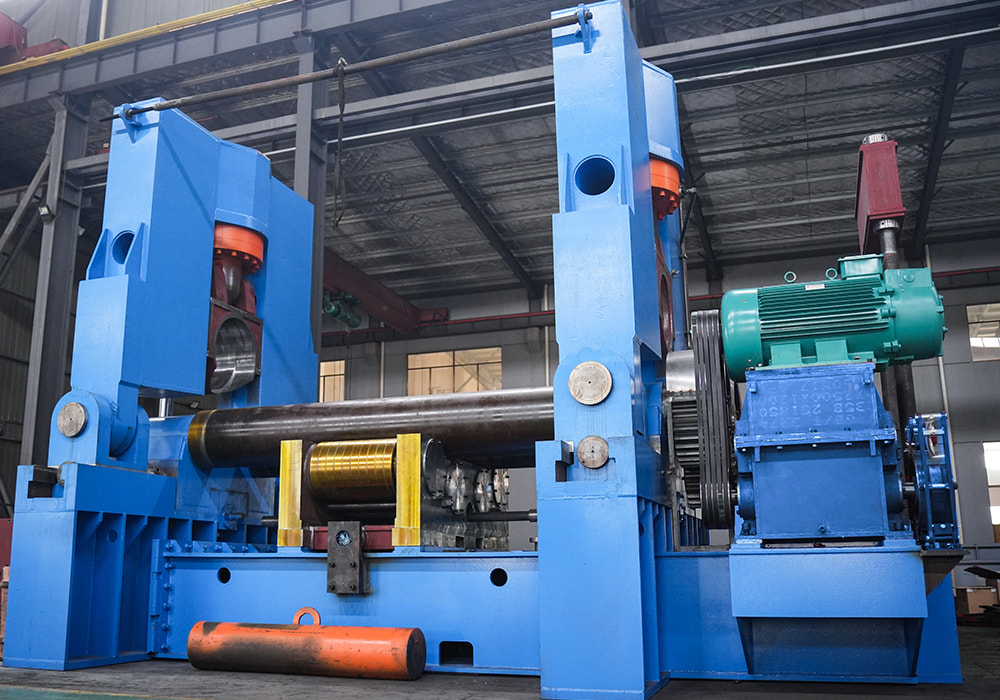 HDLW11S-120×3500 Upper Roller Universal 3-roller Plate Rolling Machine
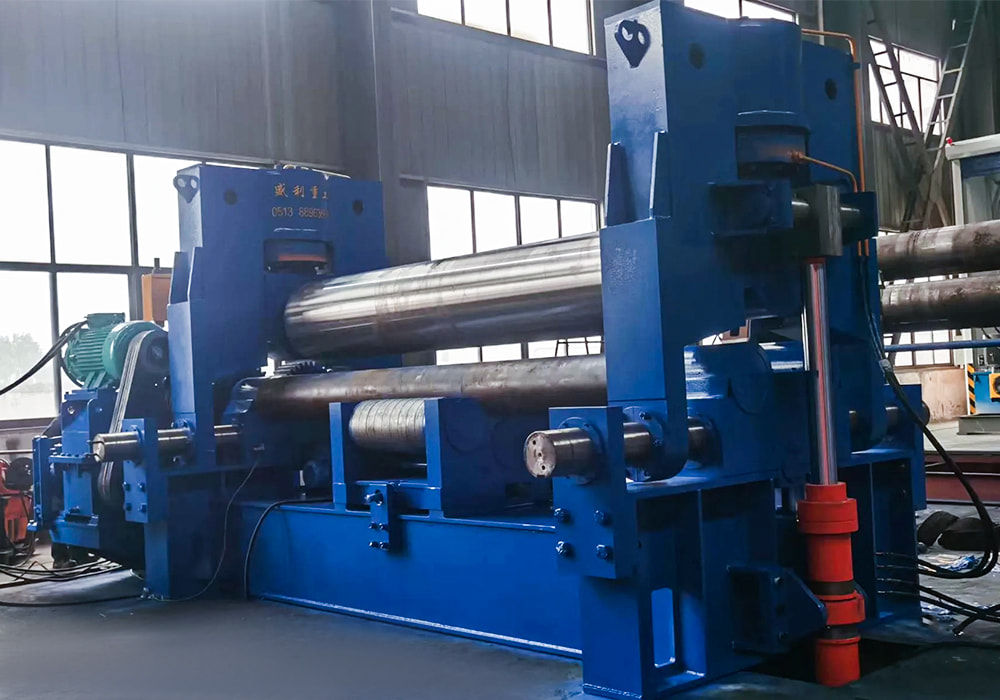 HDLW11S-50X3000 Upper Roller Universal 3-roller Plate Rolling Machine
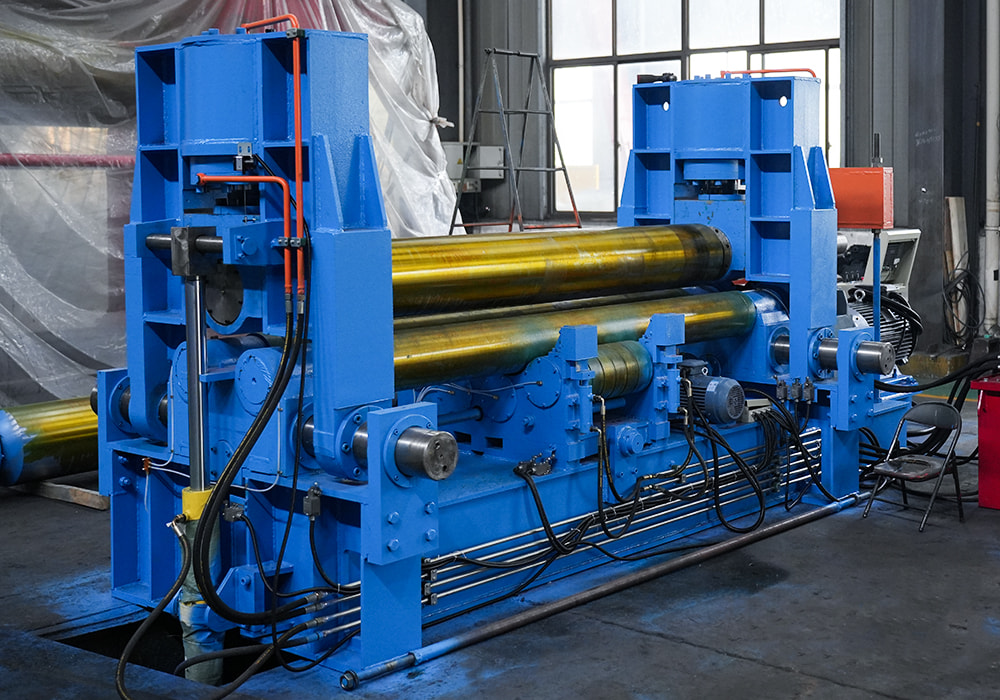 HDLW11S-30×3000 Upper Roller Universal 3-roller Plate Rolling Machine
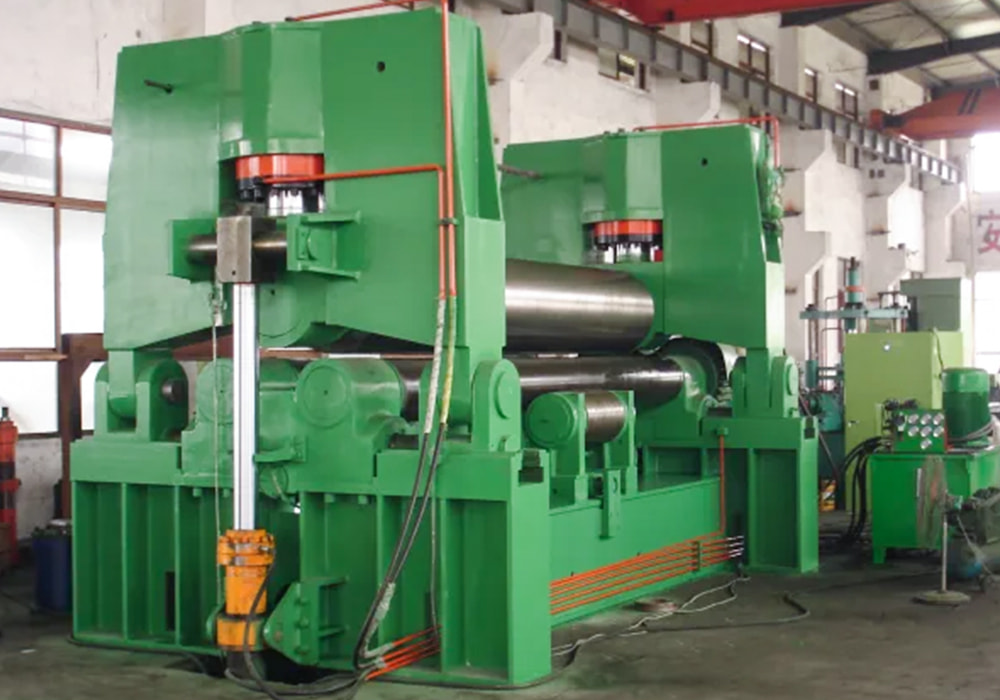 HDLW11X-100×3100 oblique 3-roller plate rolling machine
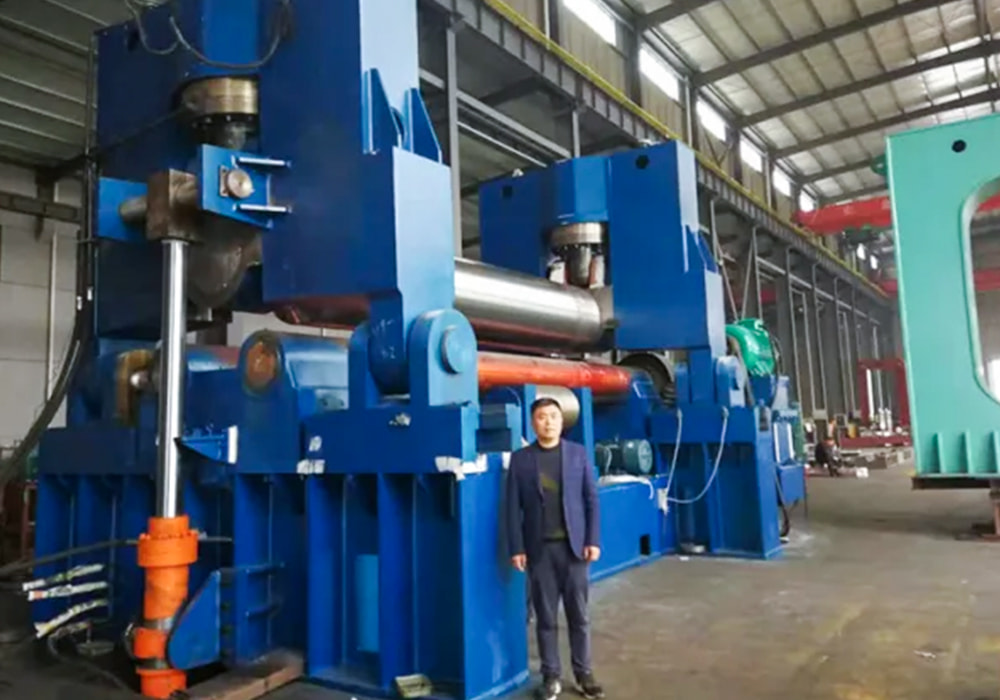 HDLW11-150X3200 hydraulic symmetrical 3-roll plate rolling machine
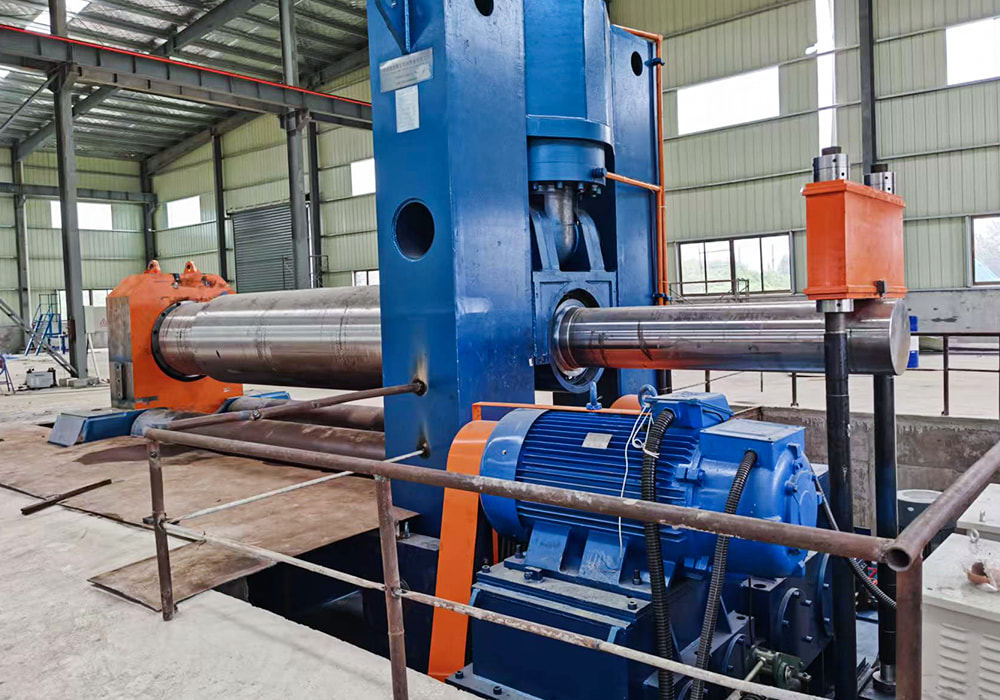 HDLW11-120X3500 Symmetrical 3 Roller Plate Rolling Machine
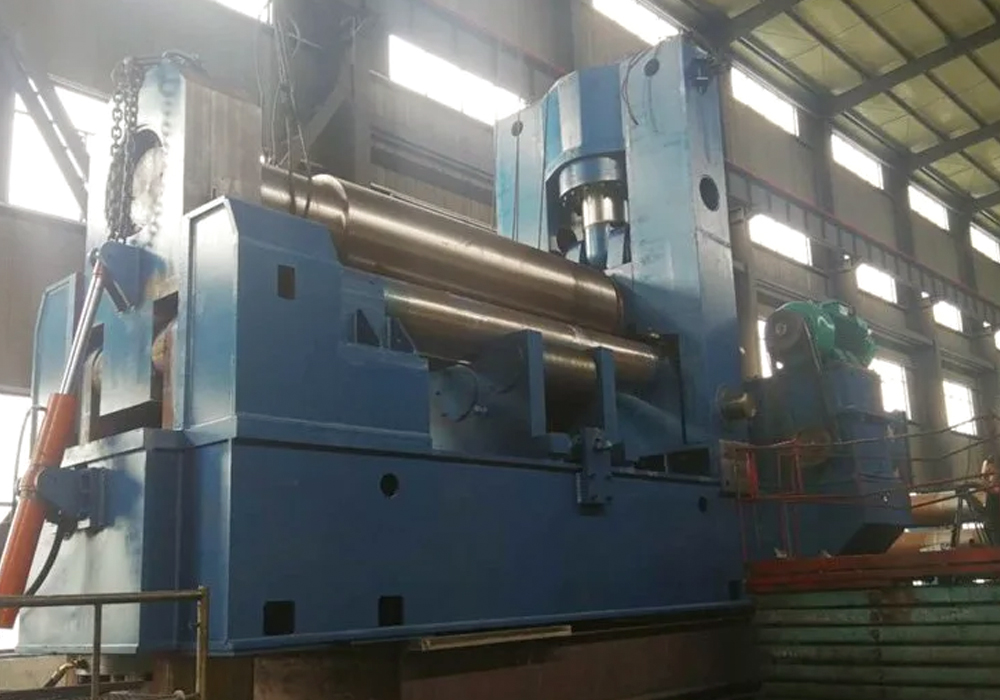 HDLW11-100X4200 pull-down 3 roller plate rolling machine
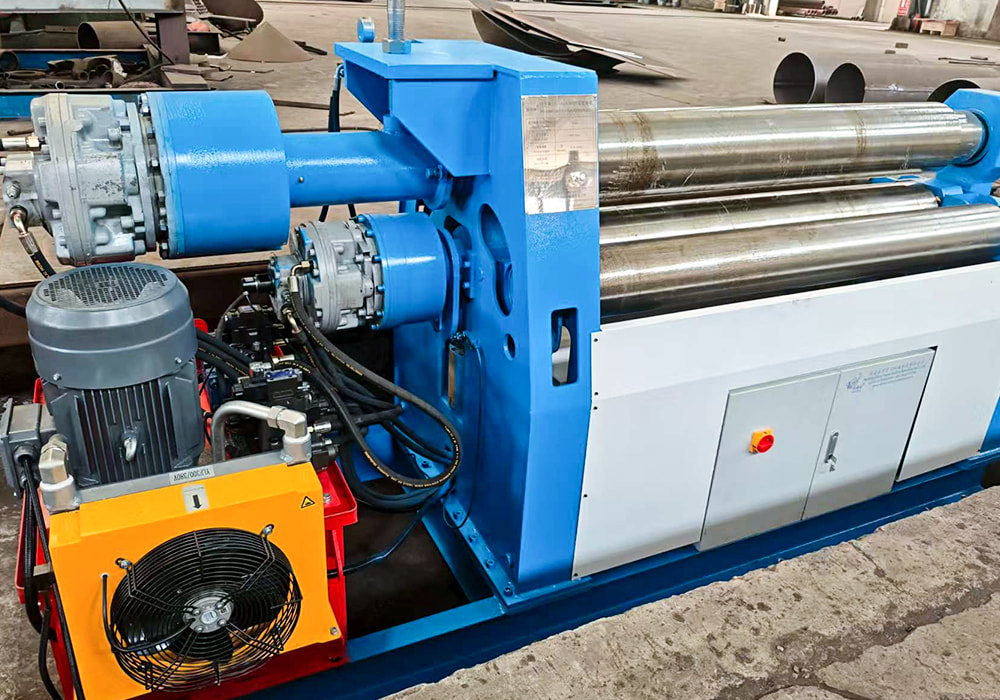 HDLW12-16x1600 CNC 4 Rolls Metal Sheet Bending Machine
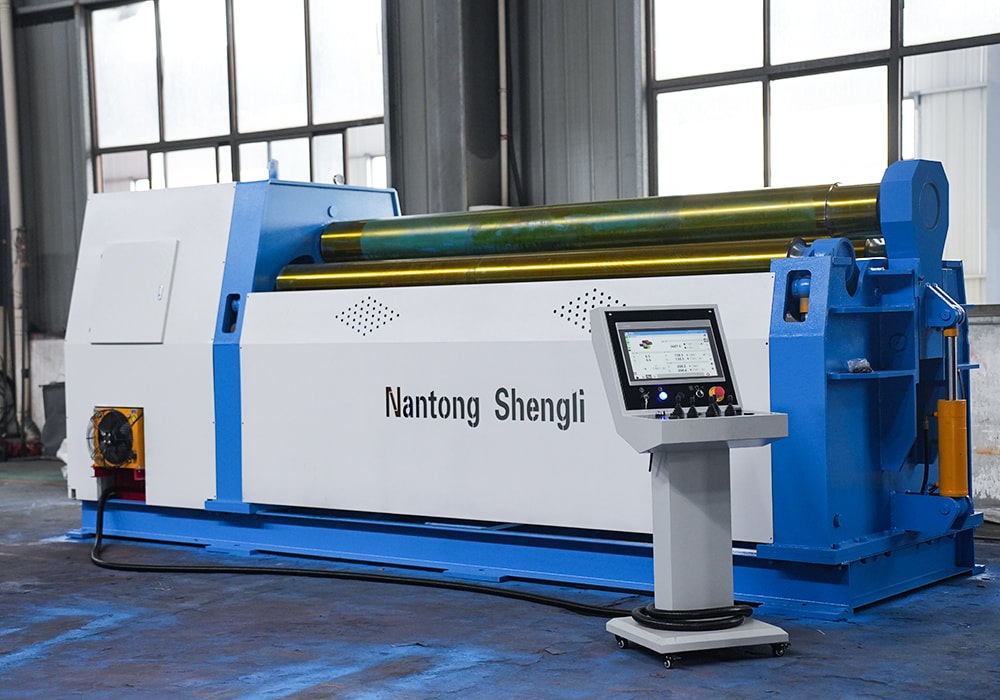 HDLW12-12×3000 4 Rolls Plate Bending Machine
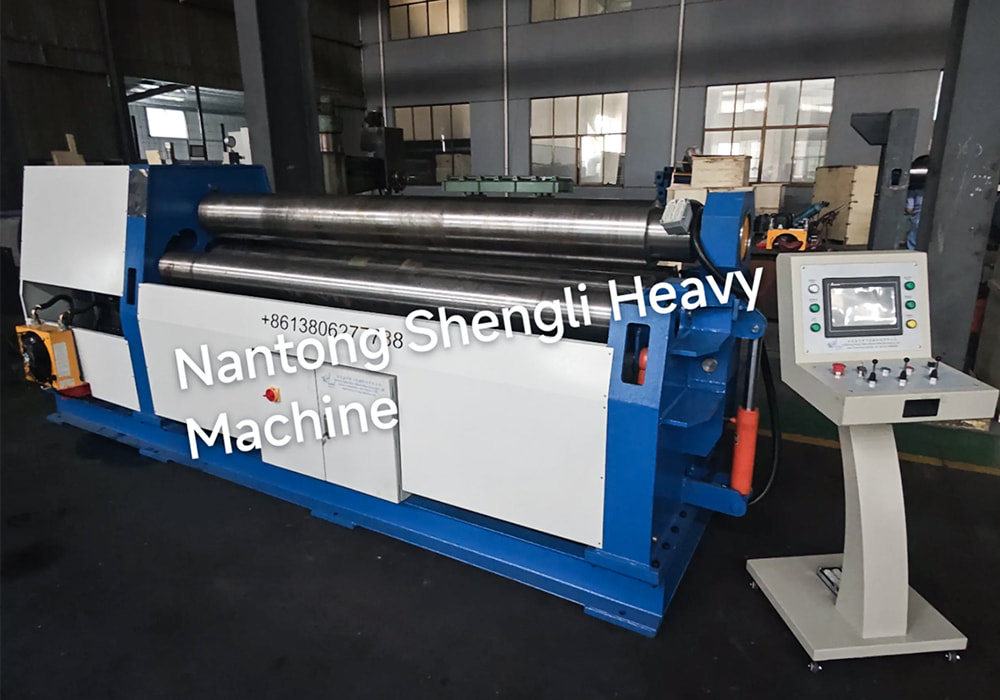 HDLW12-25×2500 Pipe Bending Rolling Machine
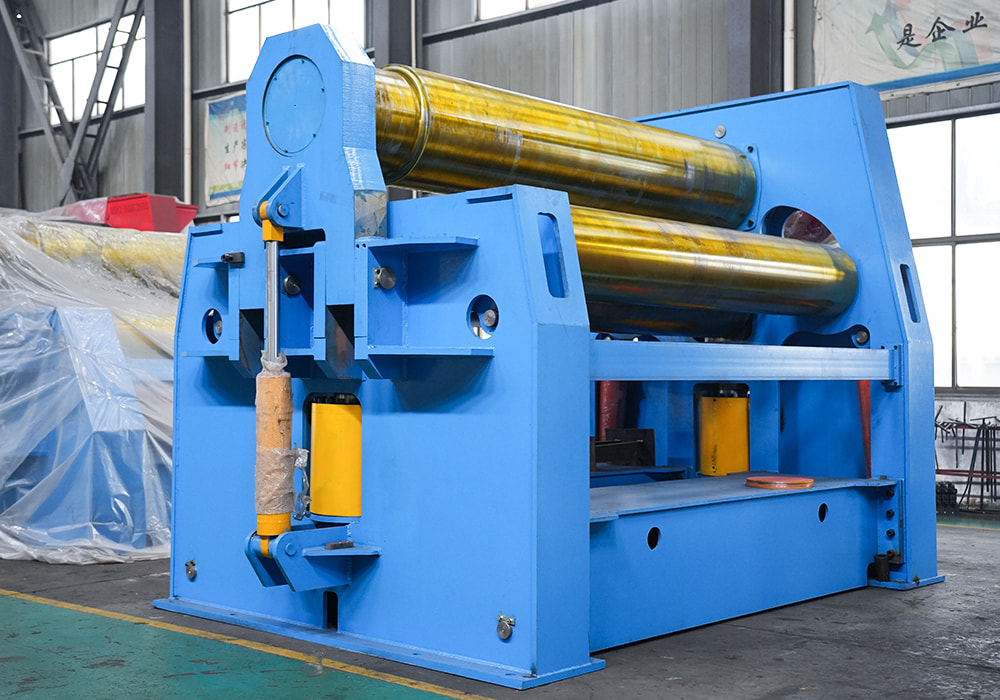 HDLW12-70×3200 CNC 4 Roll Metal Roll Bender
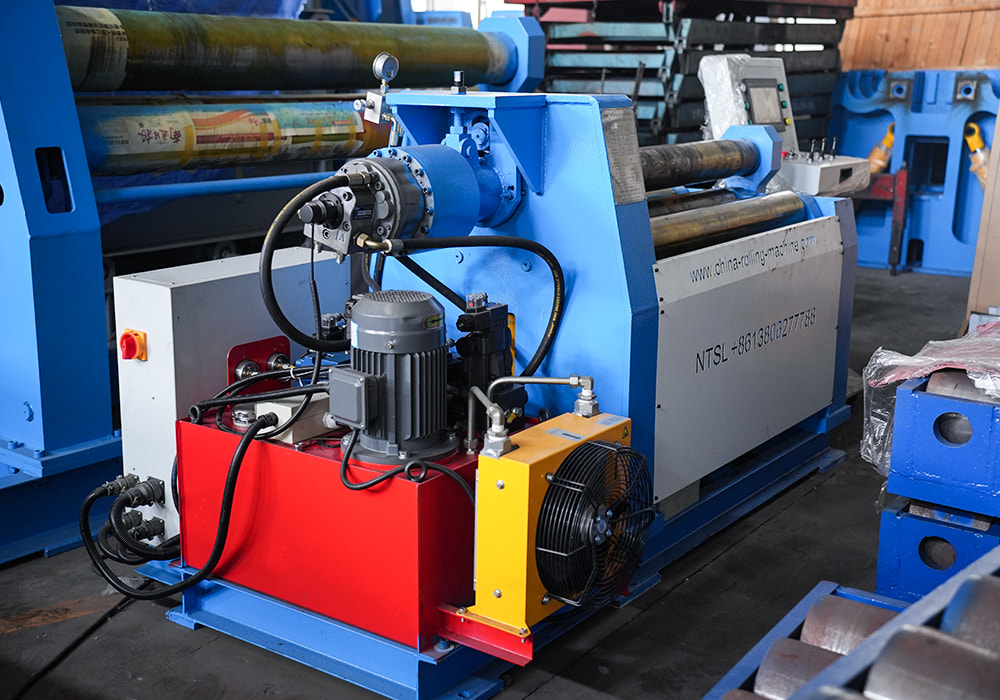 HDLW12-8×1000 4 Roll CNC Sheet Bending Machine

The company boasts strong technical capabilities, holds numerous national patents, and produces high-quality products that are widely recognized by customers both at home and abroad.

 Previous