English
 русский
 Español
Industry News
Home / News / Industry News / 3-Roll Plate Rolling Machine: Key Rolling and Bending Performance Requirements
Rolling a 25 mm S355JR plate into a 1,600 mm diameter shell is where most three-roll specifications stop being simple. The quotation names a rated thickness and a rated width, but the finished shell still has to come out round within 1 percent of its nominal diameter, the longitudinal seam has to close without a step, and shell 120 of an order has to match shell 1. Performance requirements, not catalogue capacity, decide whether a 3-roll plate rolling machine earns its floor space.
A 3-roll plate rolling machine is specified by four numbers that must hold at the same time: rated thickness, rated width, minimum rolling diameter at that thickness, and pre-bending capacity at that thickness. A machine that satisfies three of the four will pass a factory acceptance test and then fail in production.
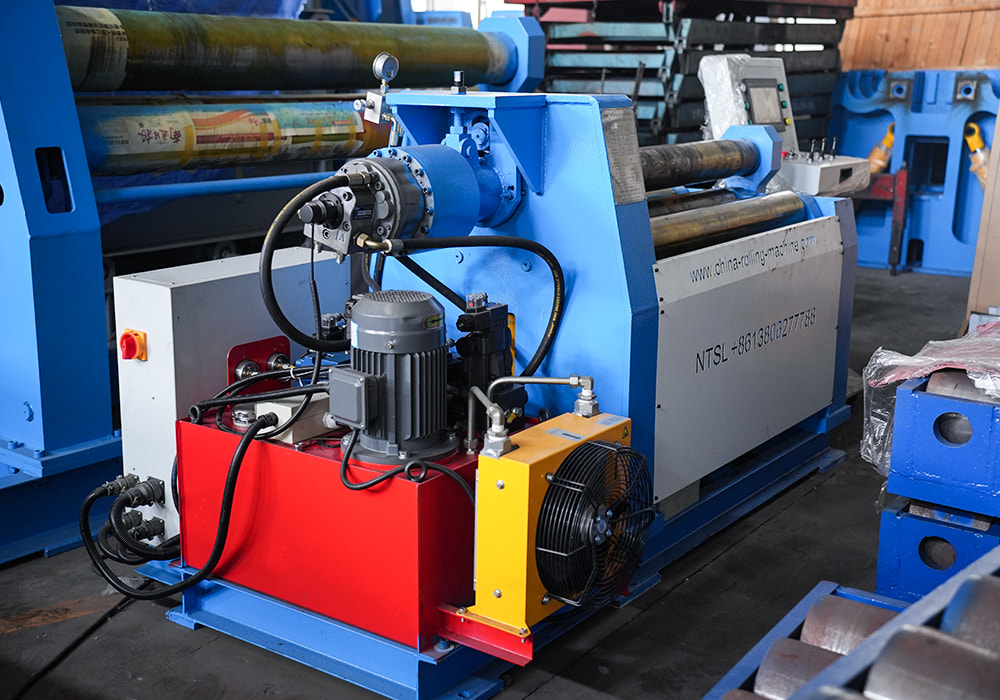
A 3-roll plate rolling machine is a metal forming machine that bends plate into cylindrical or conical shells by pinching the plate between two driven lower rolls and a descending top roll, feeding it through successive passes until the target radius is reached.
Thickness and width cannot be treated separately. The plastic bending moment of a plate section is proportional to yield strength times width times thickness squared, so at a fixed roll size the practical thickness limit falls as the plate gets wider. A machine rated 40 mm by 3,200 mm rolls roughly 57 mm at 1,600 mm wide, about 40 mm at 3,200 mm, and only some 36 mm at 4,000 mm wide.
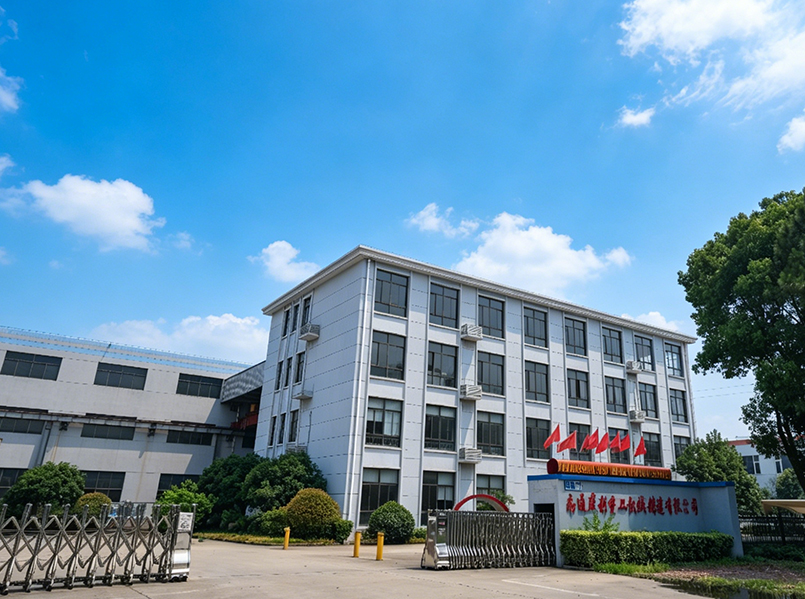
The spread between real machines is wide. The Hengdeli programme from Nantong Shengli Heavy Industry Machinery Manufacturing Co., Ltd. covers more than 100 specifications across its 3-roll and 4-roll range, with a maximum plate thickness of 180 mm and a maximum plate width of 4,000 mm, which is the kind of spread where a single number on a quotation stops being meaningful.
Rolling performance is proven by three measurements on a finished shell: diameter at three cross-sections, roundness expressed as the maximum-to-minimum diameter difference, and the length of unrolled flat plate left at each end.
ASME Boiler and Pressure Vessel Code Section VIII Division 1, UG-80 caps the inside diameter difference at any cross-section at 1 percent of nominal inside diameter for shells under internal pressure. On a 1,600 mm shell that is 16 mm of permitted ovality, measured with a pi tape at both ends and at mid-length rather than with a calliper on a stationary shell.
| Parameter | Requirement | How it is measured | Cost of missing it |
| Shell roundness | Max minus min inside diameter at or below 1 percent of nominal (ASME VIII Div. 1, UG-80) | Pi tape at three cross-sections | Re-rolling, weld mismatch, rejected vessels |
| Straight edge | Flat zone at or below 1.5 times plate thickness per end after pre-bending | Straight edge gauge and feeler | Extra trim and longer weld preparation |
| Diameter repeatability | Same roll setting holds across the batch | First-off and last-off shell comparison | Per-shell adjustment and scrap |
| Longitudinal seam gap | Closed gap before tack welding | Feeler gauge before tacking | Weld repairs and non-destructive test rejects |
| Surface condition | No roll marks beyond drawing allowance | Visual check and depth gauge | Rejection on stainless or clad plate |
 China plate rolling machine & metal forming machine manufacturerExplore Our Featured ProductsView Product →
Repeatability, not peak capacity, separates machines in the same size class. The measured question is whether shell 1 and shell 120 hold the same diameter after 40 minutes of rolling each.
A machine that hits tolerance only after three extra passes is not delivering the rated performance, because every extra pass adds handling time and roll marking risk.
Pre-bending, not rolling force, sets the practical limit on most three-roll work: the flat zone left at each end is typically 1.5 to 2.0 times the plate thickness on a symmetrical machine and can be held below 1.0 times the thickness on an upper-roller universal machine.
Springback is the second half of bending performance, and it is calculable rather than mysterious. A plate rolled to a radius recovers part of that curvature when the load is released, and the recovery grows with yield strength and with the square of the target radius.
Worked example: a 25 mm S355JR plate rolled to an 800 mm radius recovers roughly 130 mm of radius through elastic springback. The rolls are therefore set near a 670 mm radius to finish at 800 mm.
That calculation is why the minimum rolling diameter on a datasheet must sit well below the smallest shell diameter in the order. If a machine bottoms out at a 900 mm radius, it cannot produce an 800 mm radius shell in that grade and thickness, because the over-rolled intermediate radius is out of reach.
China plate rolling machine & metal forming machine manufacturerExplore Our Featured ProductsView Product →
Universal three-roll machines reduce the problem by clamping and offsetting the top roll, which shortens the unformed end and cuts trim loss on every shell.
Rolling force is proportional to yield strength, so moving from S235JR to S690QL at the same thickness multiplies the required bending moment by 2.9, which is why grade must be quoted next to thickness on every inquiry.
A machine that reaches 40 mm in S235JR will not reach 40 mm in S690QL. Scaling by the square root of the strength ratio gives 40 mm times the square root of 235 divided by 690, which is 23 mm, and roll deflection pushes the safe planning figure closer to 20 to 22 mm unless the manufacturer confirms otherwise in writing.
Austenitic stainless grades such as 304 and 316 work-harden through each pass, so the same shell may need four to six passes with small reductions instead of two or three, and the cycle time per shell rises accordingly.
On a three-roll machine the configuration decides bending performance at the plate ends: a symmetrical machine pre-bends at roughly 60 to 70 percent of its rated rolling thickness, an upper-roller universal machine pre-bends at the full rated thickness, and an oblique machine sits between the two.
Choosing between them is a trim calculation, not a preference. On 25 mm plate, the difference between a 40 mm and a 25 mm flat zone is 30 mm of scrap on every shell across both ends.
Four-roll machines remove the straight edge entirely by clamping the plate between the bottom rolls, but they cost more and add a hydraulic axis that has to be maintained. Where the order mix runs from 20 mm to 60 mm plate, the extra axis usually pays for itself within one contract.
The same bending requirement produces different machine specifications once the finished product is fixed, because tanks, wind towers and line pipe apply different straight-edge, diameter and handling constraints.
Tank work favours long plate and few longitudinal seams, so machines are built around 6 m and longer plate lengths so that one shell course needs one weld. Handling length, not thickness, becomes the limiting factor, and the roll body has to resist deflection across the full plate width.
China plate rolling machine & metal forming machine manufacturerExplore Our Featured ProductsView Product →
Onshore tower cans are rolled from roughly 20 mm to 60 mm plate into 3,000 mm to 5,000 mm diameter sections, and roundness drives flange fit-up at the joints. Fabrication under EN 1090-2 execution classes EXC3 and EXC4 pushes the tolerance discussion onto the rolling machine rather than the fitter.
LSAW line pipe for API 5L X70 and X80 grades is formed from 12 mm to 40 mm plate, and the roll bending route uses long plate rolling machines to form the cylinder before expanding and welding. Plate grade, not diameter, sets the rolling schedule here.
Acceptance should rest on a paid trial with one representative plate of the production grade and thickness, measured before and after welding, with cycle time recorded. Five data points settle the argument between capacity on paper and performance on the floor.
Ask for the verification routine in writing before the machine ships, and review how plate rolling machine quality is controlled at the works, including the dimensional check performed on the assembled frame and rolls.
Four specifications belong in every technical agreement: thickness and width as a pair, pre-bending capacity, minimum rolling diameter, and the grade next to each thickness value.
A common working rule for a symmetrical three-roll machine is 1.3 to 1.5 times the top roll diameter, so a machine with a 600 mm top roll bottoms out near an 800 to 900 mm shell diameter. The limit tightens as plate gets thicker, so the figure must be confirmed for the actual grade and thickness rather than taken from the catalogue.
An upper-roller universal machine holds the flat zone below 1.0 times plate thickness per end, while a symmetrical machine leaves 1.5 to 2.0 times thickness. At 25 mm thickness that is roughly 25 mm against 40 to 50 mm of trim per end, which is 50 to 100 mm of scrap on every shell.
No. A machine sized for 180 mm plate has roll diameters and lower roll spacing that cannot form 6 mm sheet to a small diameter without slipping or marking, and the practical working range of a single three-roll machine is around 4 to 1 in thickness. Shops running thin and heavy work usually need two machines or a subcontract route.
Spares, commissioning and response time matter as much as roll diameter. Review the manufacturer's published list of main export markets and confirm which of them have local service support before placing a deposit.
A three-roll machine is bought against measurements, not brochures: thickness and width as a pair, pre-bending capacity, a minimum rolling diameter that allows for springback, and a trial shell that proves repeatability across the batch. Put those four into the technical agreement with the steel grade written beside every thickness value, and the machine will do what the floor plan promised.
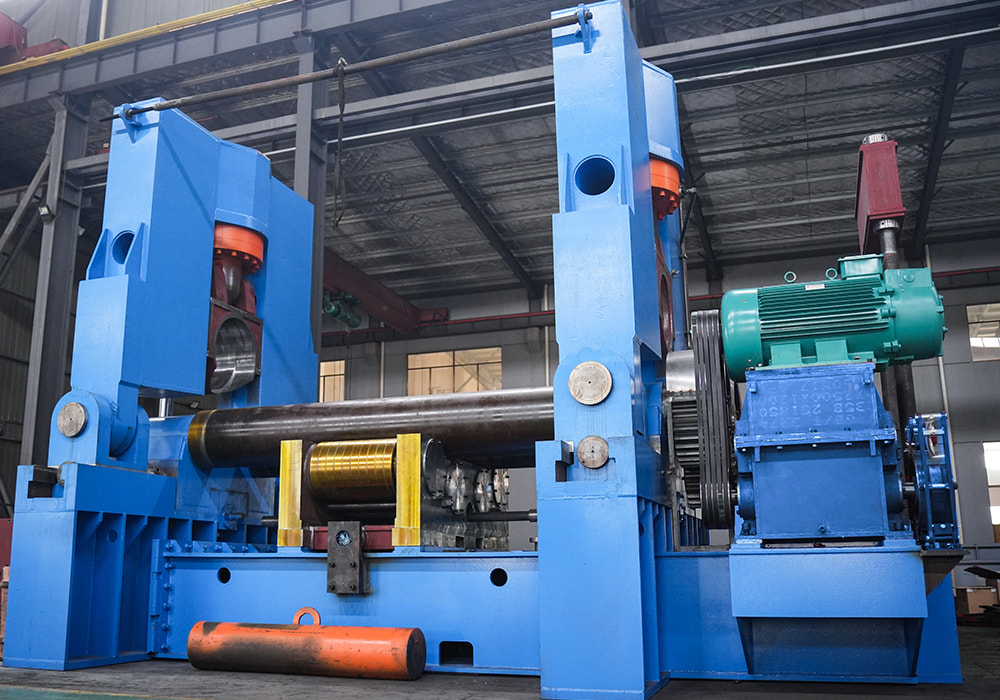 HDLW11S-120×3500 Upper Roller Universal 3-roller Plate Rolling Machine
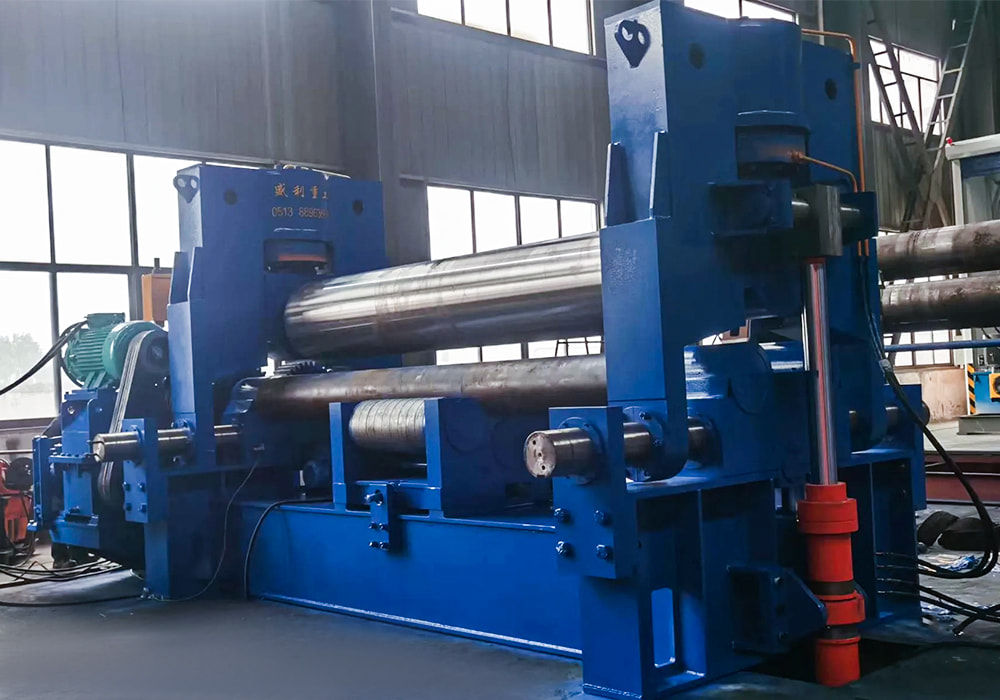 HDLW11S-50X3000 Upper Roller Universal 3-roller Plate Rolling Machine
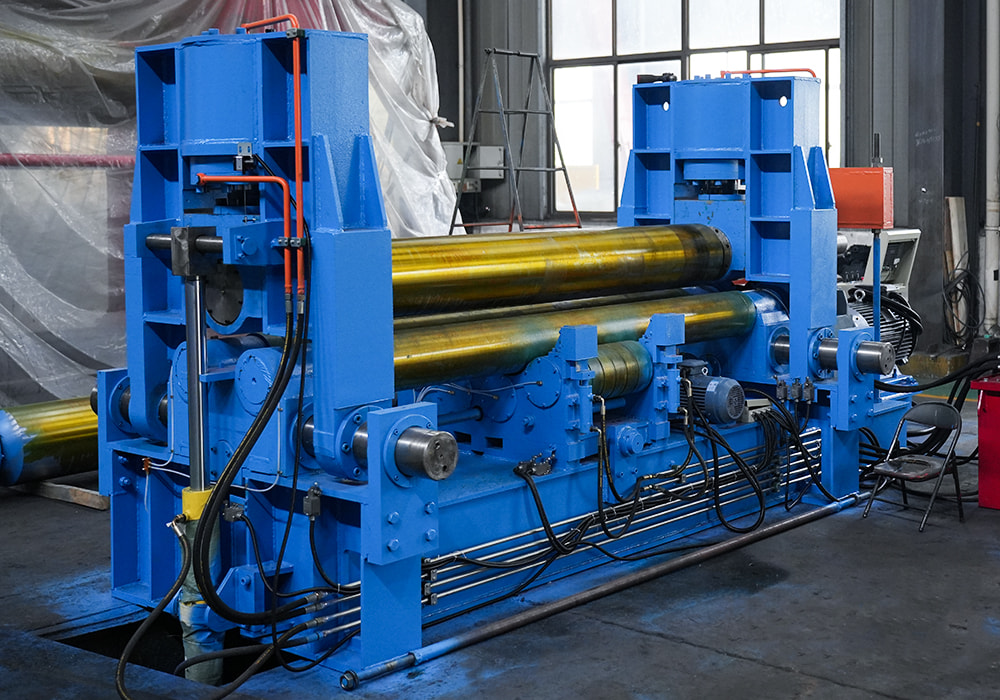 HDLW11S-30×3000 Upper Roller Universal 3-roller Plate Rolling Machine
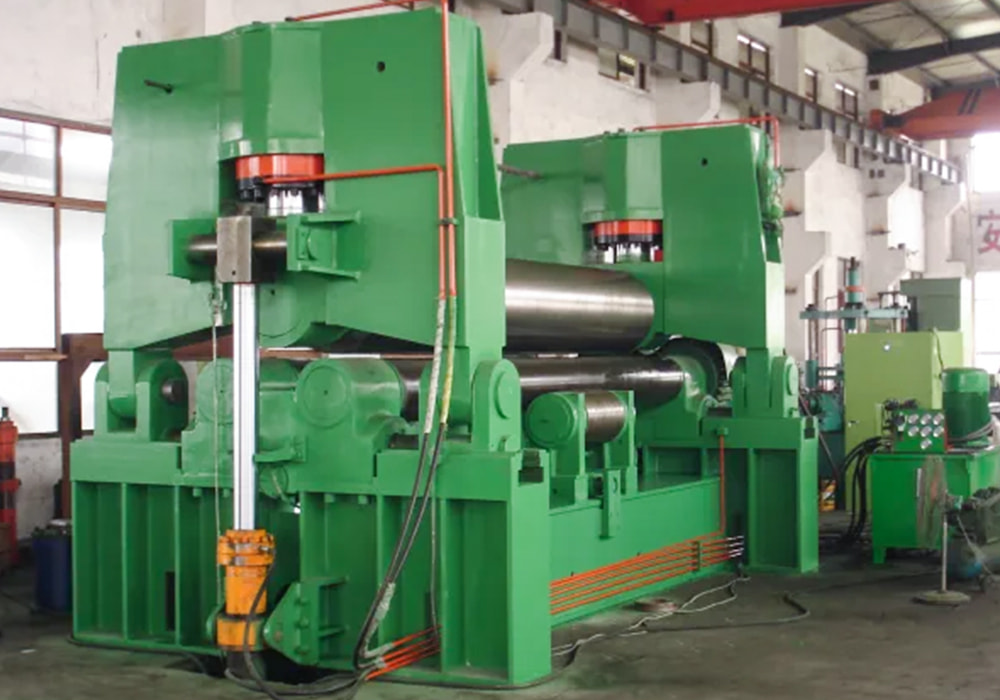 HDLW11X-100×3100 oblique 3-roller plate rolling machine
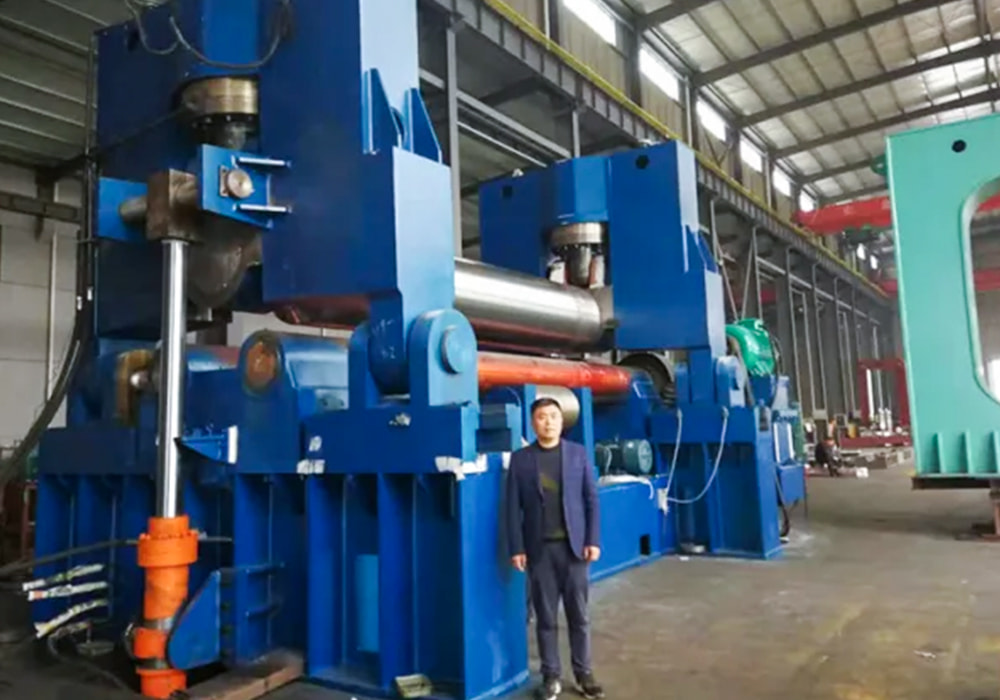 HDLW11-150X3200 hydraulic symmetrical 3-roll plate rolling machine
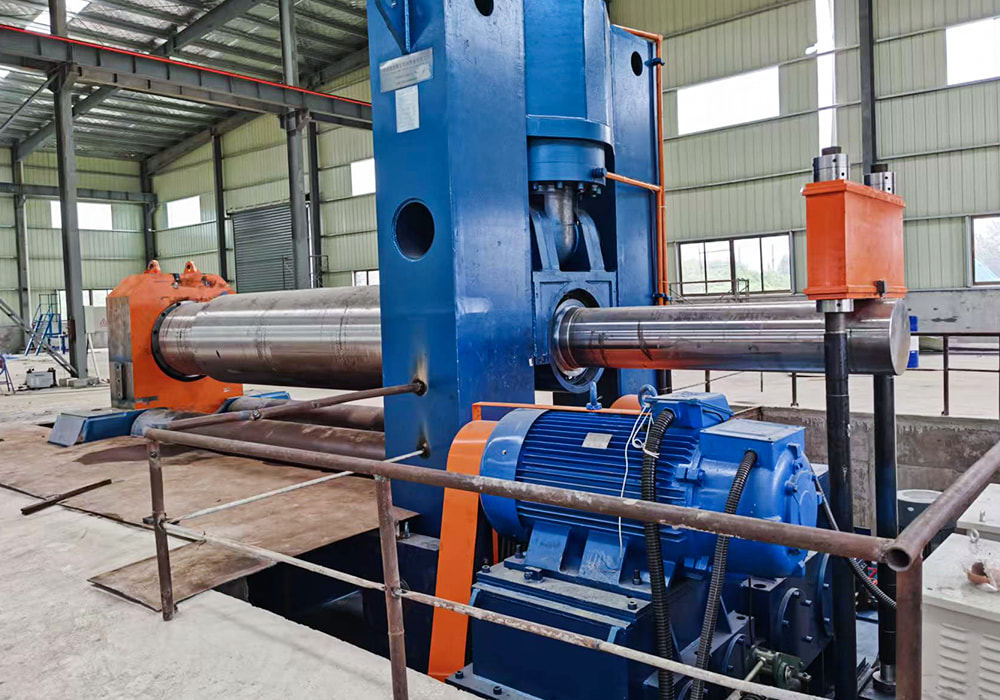 HDLW11-120X3500 Symmetrical 3 Roller Plate Rolling Machine
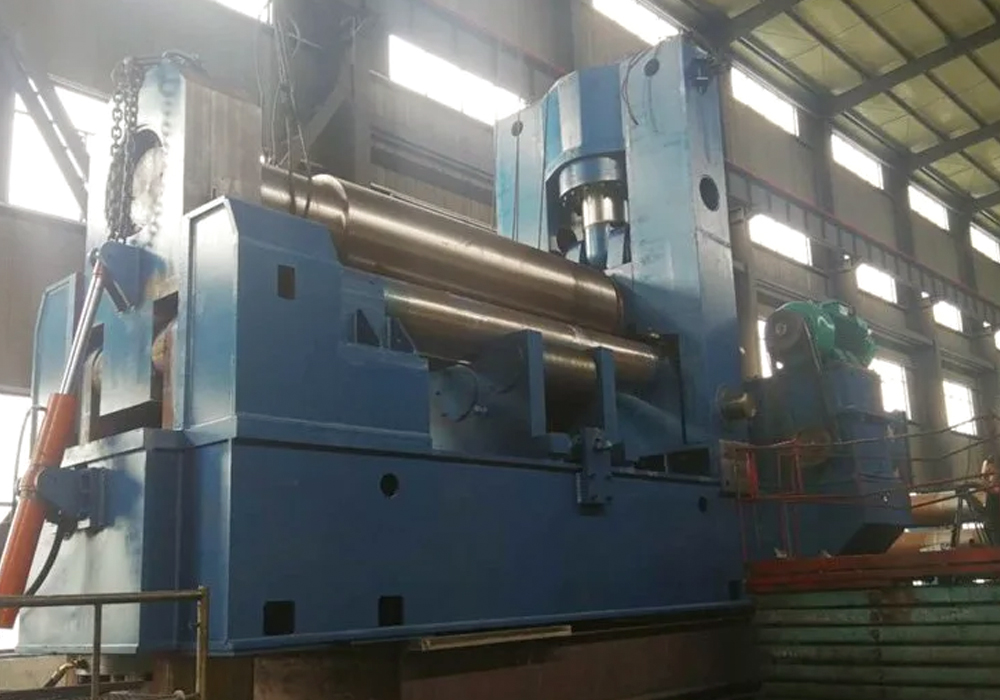 HDLW11-100X4200 pull-down 3 roller plate rolling machine
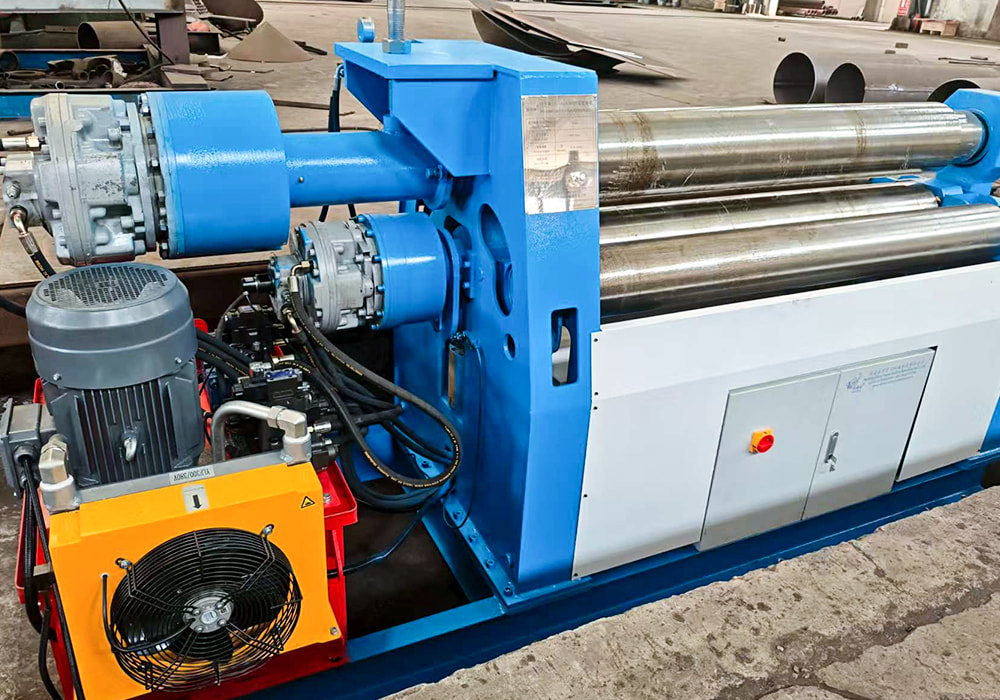 HDLW12-16x1600 CNC 4 Rolls Metal Sheet Bending Machine
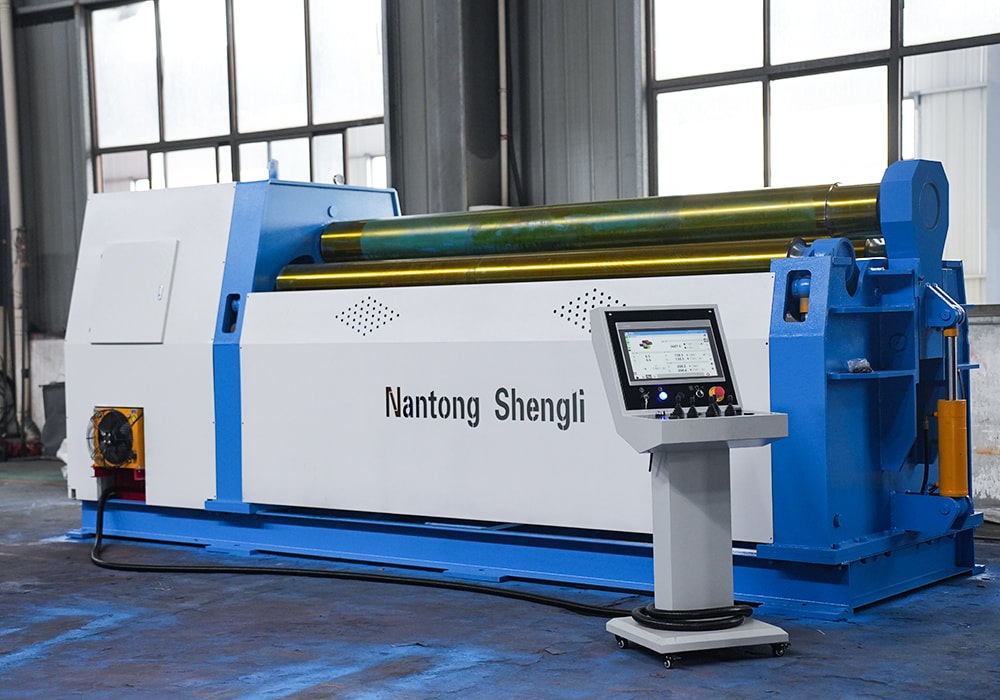 HDLW12-12×3000 4 Rolls Plate Bending Machine
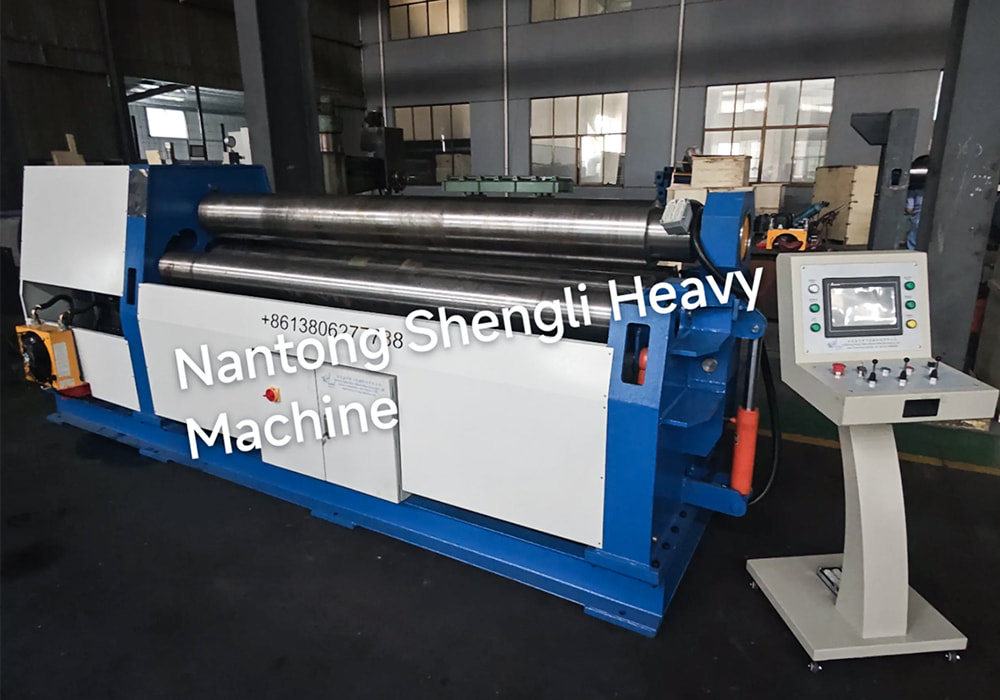 HDLW12-25×2500 Pipe Bending Rolling Machine
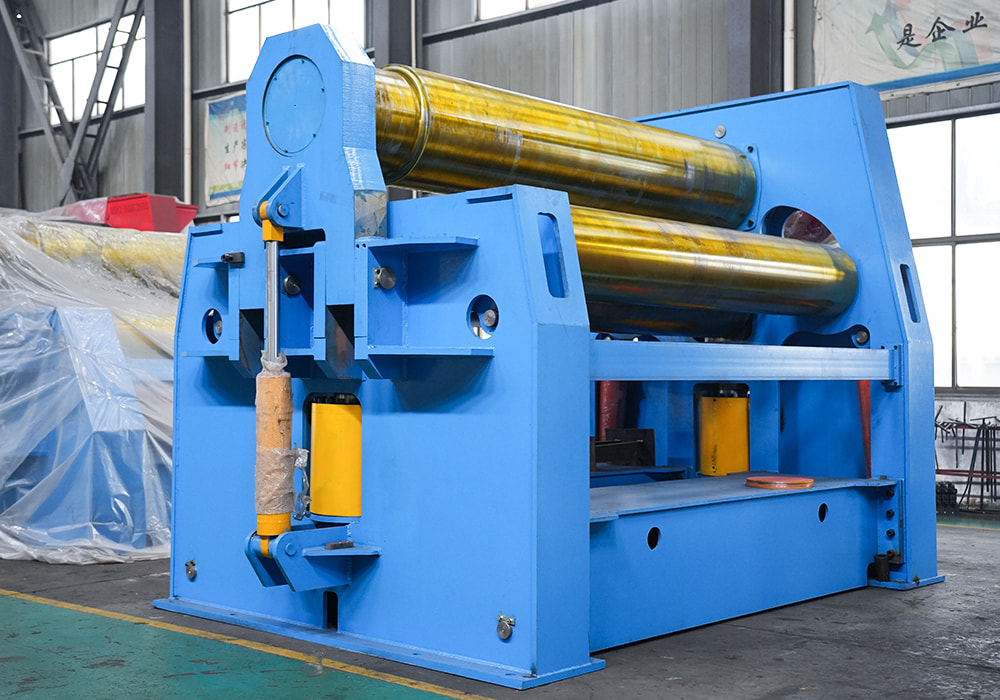 HDLW12-70×3200 CNC 4 Roll Metal Roll Bender
 HDLW12-8×1000 4 Roll CNC Sheet Bending Machine

The company boasts strong technical capabilities, holds numerous national patents, and produces high-quality products that are widely recognized by customers both at home and abroad.

 Previous