English
 русский
 Español
Industry News
Home / News / Industry News / 4-Roller Plate Rolling Machine: Precision and Forming Requirements Guide
Rolling a 40 mm S355 plate into a 3.2 m diameter tower shell leaves one defect in plain sight before any weld is laid: the flat zone at each plate end. On an initial-pinch three-roll machine that zone normally measures 1.5 to 2.0 times the plate thickness, so an 80 mm strip at each end has to be cut off, re-rolled or buried under a weld cap. On a four-roller machine the same plate is pre-bent to about one plate thickness without ever leaving the rolls.
Precision on a four-roll machine is not a marketing phrase; it is a set of measurable outputs written into a rolling specification. The sections below cover the forming requirements that produce those outputs, the tolerance values that decide acceptance, and the capacity limits worth confirming before a purchase order is signed.
A four-roller plate rolling machine controls four measurable outputs: residual straight edge at each plate end, out-of-roundness of the rolled shell, finished diameter, and axial alignment of the two longitudinal edges. Everything else arrives with the plate.
What the rollers cannot reach stays outside the machine's control. Plate flatness from the mill, edge camber left by the shear or plasma cut, thickness variation across a single plate and the actual yield strength of the delivered heat all enter with the workpiece. A CNC four-roll machine compensates for springback and for roller deflection; it will not flatten a plate that arrives with 8 mm of bow, and it will not correct an edge that was cut out of square.
Those figures are published by Nantong Shengli Heavy Industry Machinery Manufacturing Co., Ltd., which builds the Hengdeli range of plate forming equipment in Nantong, China, and has done so since 2003. A core rolling range of 180 mm thickness and 4,000 mm width places the equipment in thick-plate and wide-plate work rather than light sheet fabrication, which is the segment where the flat-zone and roundness requirements discussed here actually bind.
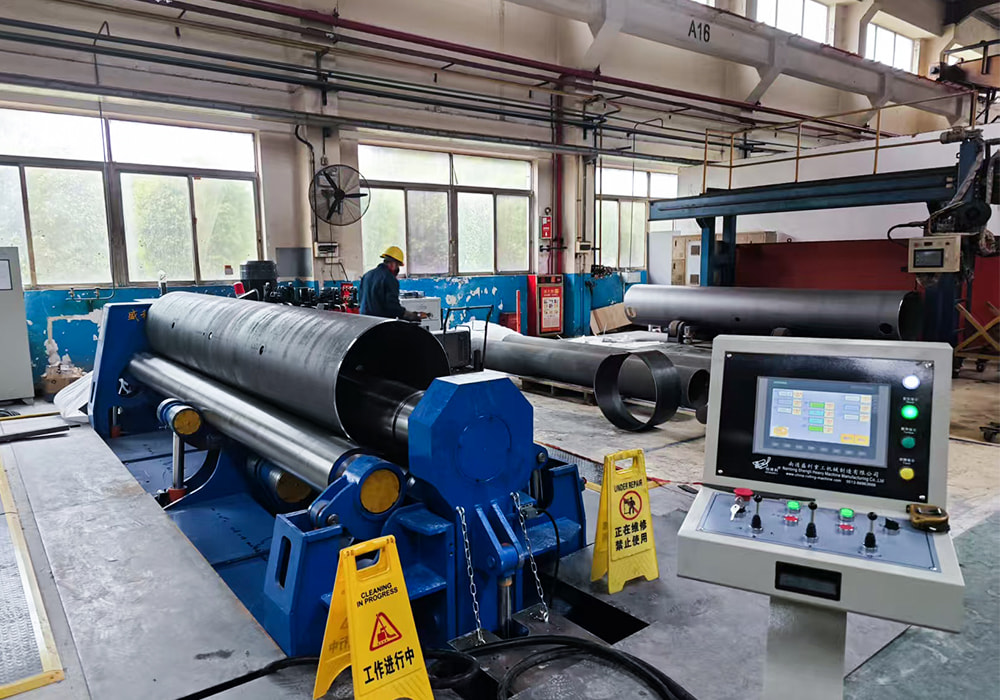 Hengdeli HDLW12 CNC Four-Roll Plate RollsCNC four-roll plate bending machine for cylindrical, conical and curved work, with parameter storage and pre-bending for repeatable plate forming.View Product →
Every four-roll forming cycle contains four motions, and precision depends on the repeatability of each one rather than on the tonnage of the frame.
Repeatability separates a CNC four-roll machine from a manually controlled one. A stored program reproduces the same side-roller stroke on the second shell and on the twentieth, so shell-to-shell diameter variation in a production run typically stays inside 1 to 2 mm. Manual rolling depends on an operator reading a position display at every pass, and variation of 4 to 6 mm across the same run is common. Where a shell is later matched to a dished end or a flange, that variation is closed at the fit-up stage with clamps and heat, at a cost that is rarely booked against the rolling machine.
Pre-bending is the requirement that separates four-roll from three-roll performance most clearly: a four-roll machine bends both plate ends in a single clamped pass, while a three-roll initial-pinch machine must release the plate, rotate it through 180 degrees and re-clamp it before the second end is formed.
The flat zone has a cost that is easy to miss at the quotation stage. A 40 mm plate pre-bent on an initial-pinch three-roll machine leaves an 80 mm flat strip at each end. A 12 m shell built from four courses of 3,000 mm wide plate therefore carries eight ends, which is 640 mm of plate length that must either be trimmed away or absorbed into a weld detail. Trimming 0.64 m by 3 m by 40 mm of steel at a density of 7,850 kg per cubic metre removes about 600 kg of material per shell, before the cutting and re-edging labor is counted.
Four values decide whether a rolled shell passes inspection: residual straight edge, out-of-roundness, finished outside diameter and axial edge alignment. The first two are set by the machine, the third by material springback, and the fourth by operator setup at the closing pass.
| Residual straight edge after pre-bending | 1.0 x plate thickness or less | Radius template checked at both plate ends |
| Out-of-roundness, pressure shell | Maximum diameter minus minimum diameter no more than 1 percent of nominal diameter | ASME BPVC Section VIII Div. 1, UG-80 |
| Outside diameter, submerged arc welded line pipe | Plus or minus 0.75 percent of nominal diameter | API 5L product specification for welded pipe |
| Edge flatness, tower sections | 0.5 mm under a 1 m straightedge | Typical wind tower fabrication specification |
| Longitudinal edge offset before seam welding | 10 percent of wall thickness or less | Common fit-up rule in qualified welding procedures |
Measure diameter at three stations, at both ends and at mid-length, and record the maximum and minimum of the six readings rather than an average. An average hides exactly the condition that UG-80 is written to exclude, and a shell that measures well on average can still fail the 1 percent roundness limit at one station near a longitudinal seam.
Machine capacity is limited by yield strength as much as by thickness: a four-roll machine rated for 40 mm of S355 will not roll 40 mm of a 690 MPa quenched and tempered plate at the same radius.
S355 to EN 10025-2 carries a minimum yield strength of 355 MPa. Forming strain on the outer fibre follows the ratio of thickness to bend radius: at an R/t ratio of 20, the outer surface of the plate stretches by thickness divided by twice the radius, which is 2.5 percent. That single figure matters twice over, because it sets both the springback the control system has to compensate and the work hardening the finished shell carries into service.
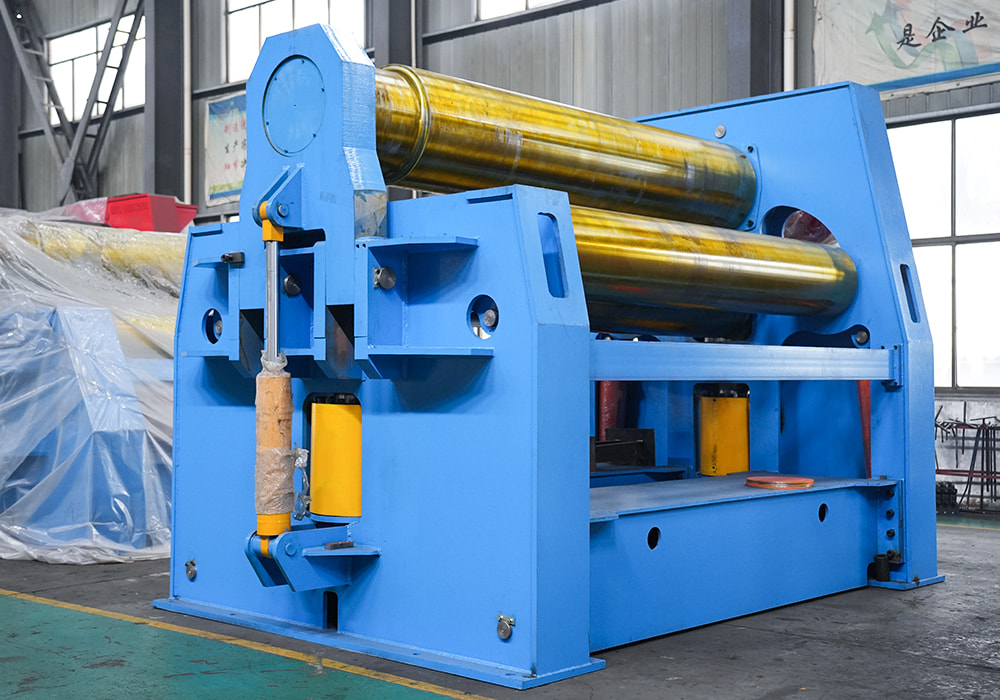 HDLW12 CNC Four-Roll Metal Roll BenderCNC four-roll bender for thick-plate cylindrical, conical and arc work, storing rolling parameters for repeatable batch production.View Product →
Machine size follows the finished part: tank shells are rolled on rolls longer than 8,000 mm, wind tower sections demand stiffness at 60 mm and above, and oil and gas pipe needs short, hard rolls for heavy wall at tight diameter tolerance.
Hengdeli organises its four-roll programme around these three applications, with dedicated tank, wind tower and oil and gas pipe families alongside the general HDLW12 series. Buyers comparing suppliers should read past the specification sheet. How a builder documents its quality assurance process and which export customers it already serves says more about whether a machine will arrive complete and supported than a horsepower figure does.
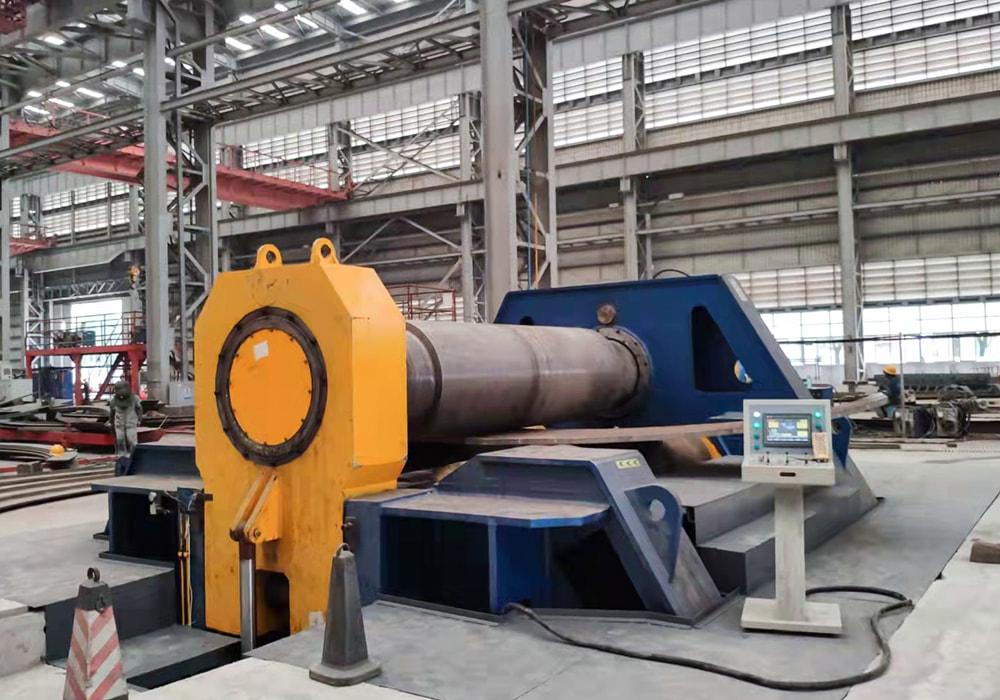 Hengdeli Hydraulic 4-Roll Bending Machine for Wind TowerCNC hydraulic four-roll machine for wind tower shells and cone sections, rolling up to 90 mm thick and 3000 mm wide without plate turnover.View Product →
Specify 1.0 x plate thickness or less after pre-bending, verified with a radius template at both ends. An initial-pinch three-roll machine should be expected to leave 1.5 to 2.0 x thickness, which becomes an 80 mm flat strip on 40 mm plate and roughly 600 kg of trimmed steel on a 12 m shell built from four courses.
The published Hengdeli core range reaches 180 mm in thickness and 4,000 mm in width across more than 100 specifications. Every thickness rating is tied to a material: a machine rated at 180 mm on low-yield steel rolls substantially less in a 500 MPa or 690 MPa grade, so the grade must be quoted together with the thickness, never after it.
No. ASME BPVC Section VIII Div. 1 UG-80 allows a maximum to minimum diameter difference of 1 percent of nominal diameter on external pressure shells, and that value is measured, not assumed. CNC repeatability reduces variation between shells, but the finished diameter still depends on springback and on the actual delivered plate thickness.
Recalibrate after any event that changes roller geometry or hydraulic behaviour: roller replacement, hydraulic cylinder service, or relocation onto new foundations. Outside those events, follow the manufacturer's maintenance interval and verify with a test shell rolled from the same grade and thickness as production, measured at three stations.
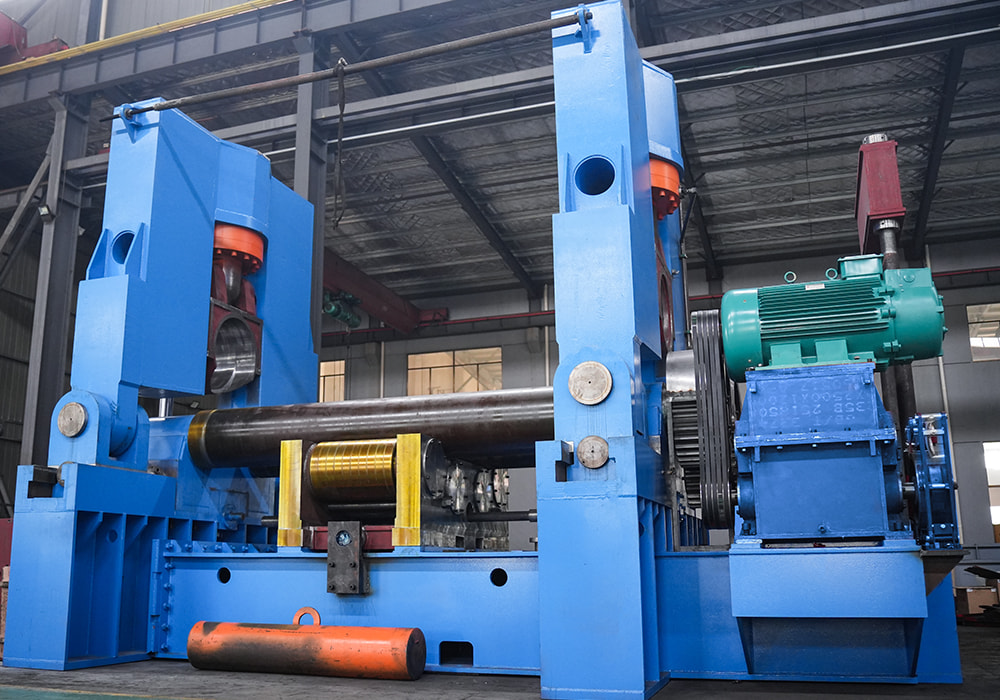 HDLW11S-120×3500 Upper Roller Universal 3-roller Plate Rolling Machine
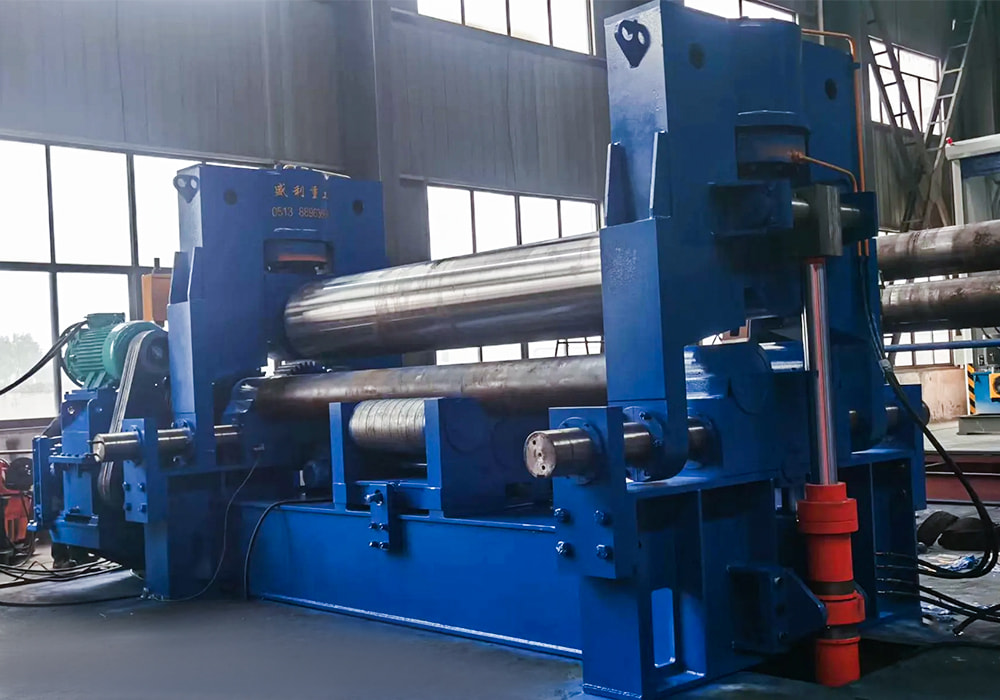 HDLW11S-50X3000 Upper Roller Universal 3-roller Plate Rolling Machine
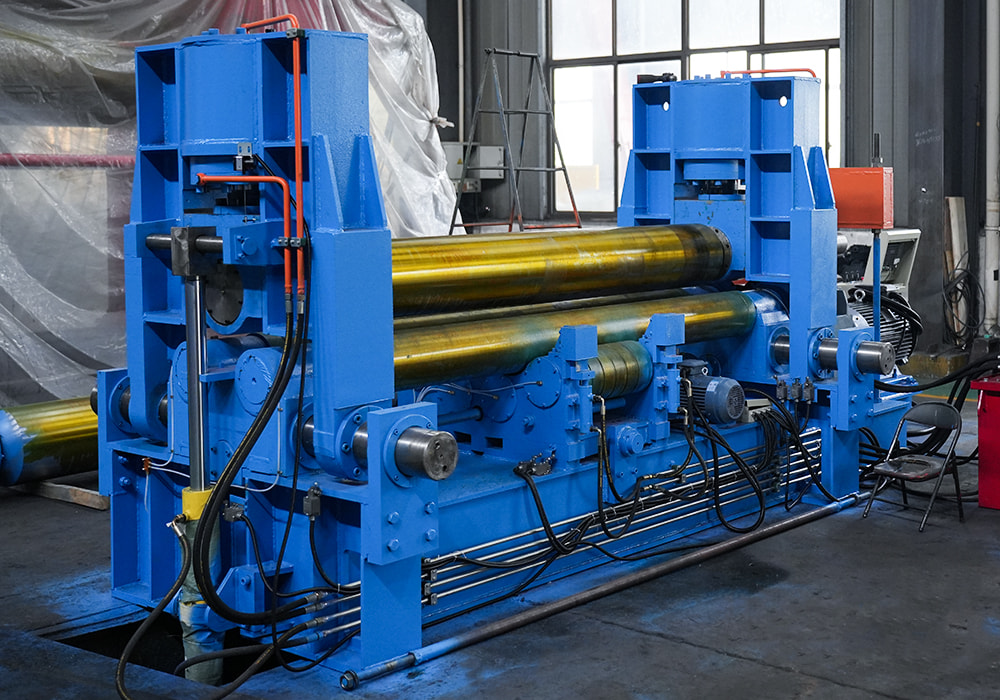 HDLW11S-30×3000 Upper Roller Universal 3-roller Plate Rolling Machine
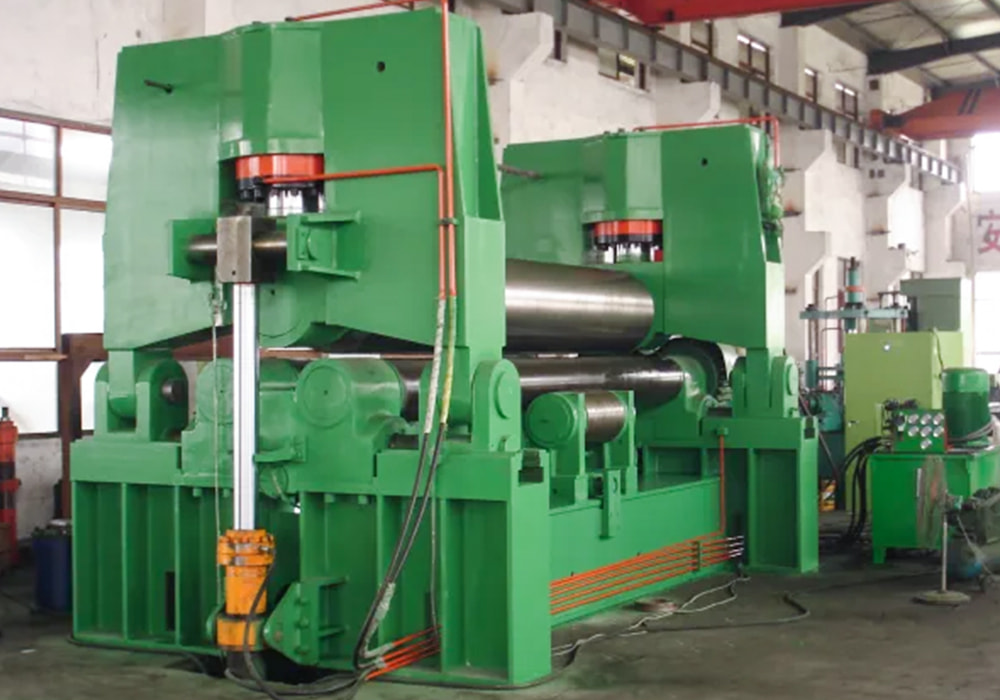 HDLW11X-100×3100 oblique 3-roller plate rolling machine
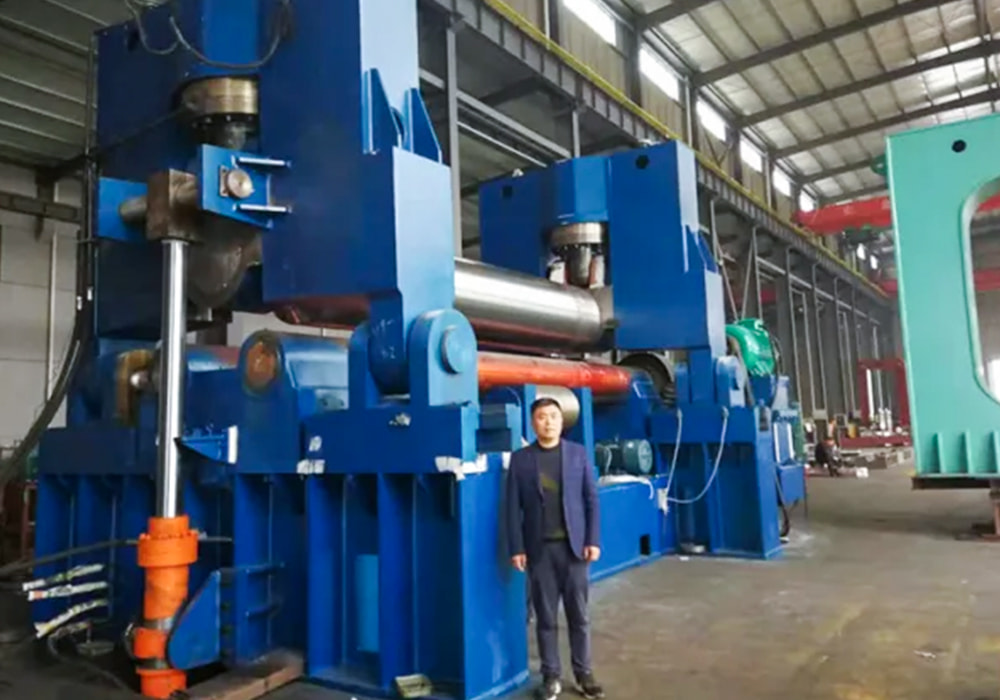 HDLW11-150X3200 hydraulic symmetrical 3-roll plate rolling machine
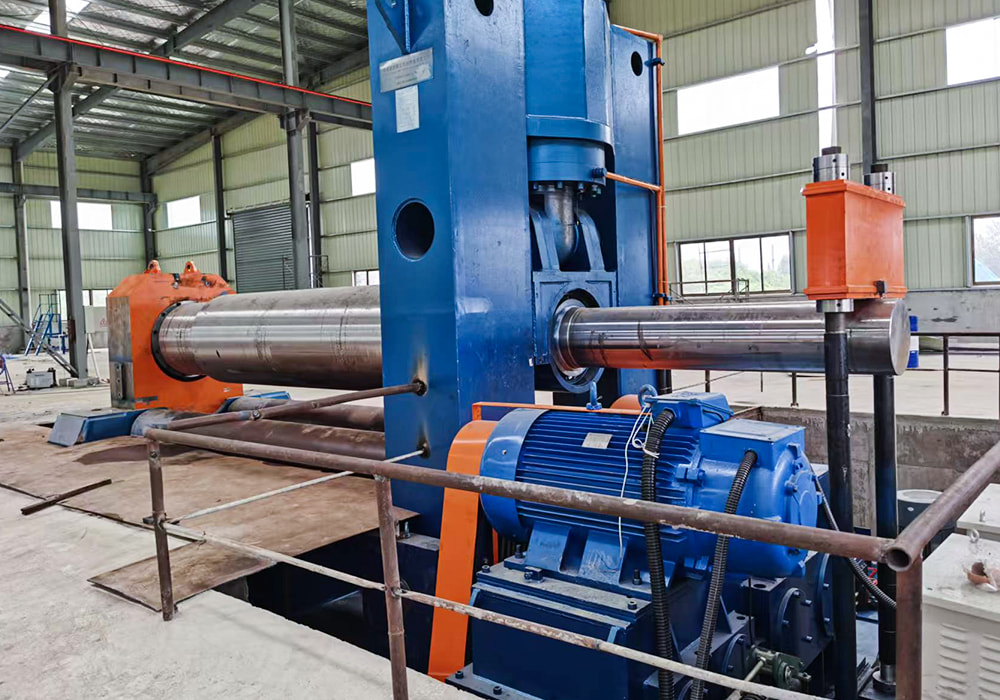 HDLW11-120X3500 Symmetrical 3 Roller Plate Rolling Machine
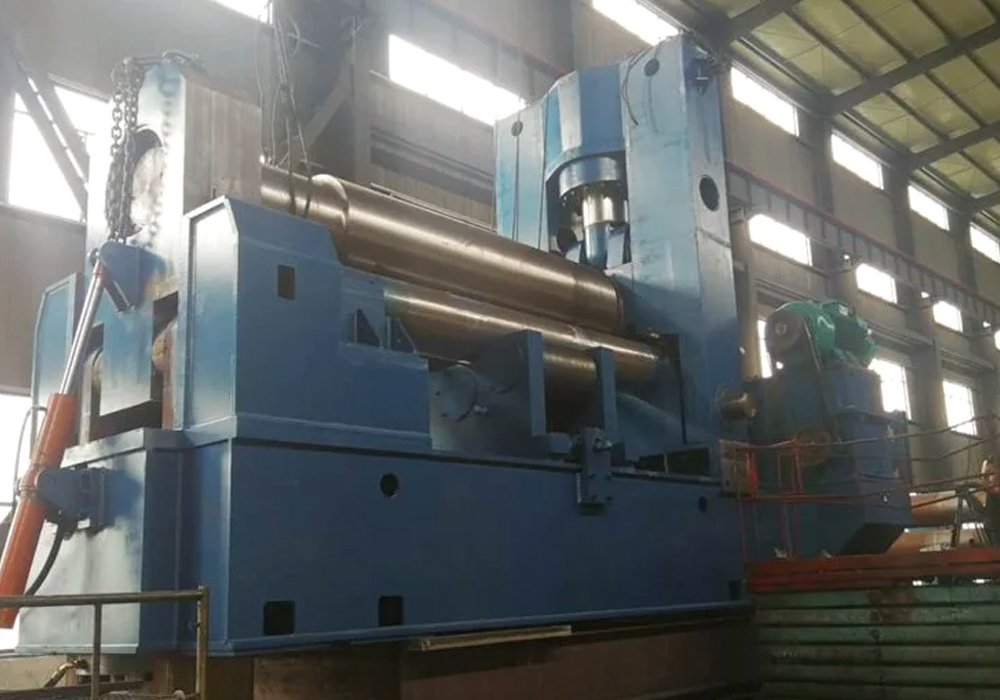 HDLW11-100X4200 pull-down 3 roller plate rolling machine
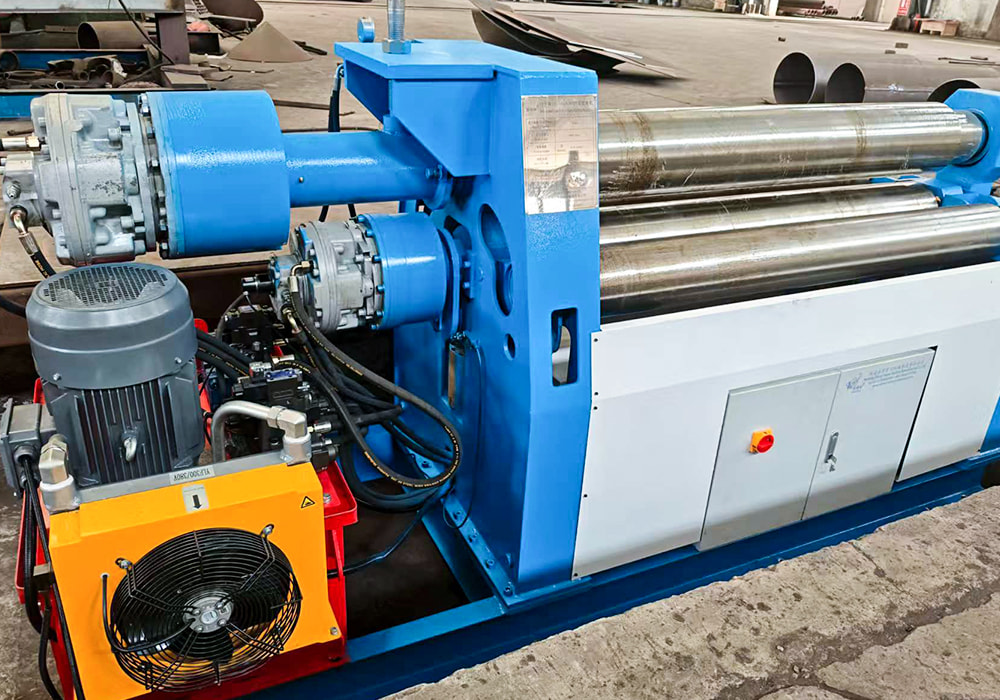 HDLW12-16x1600 CNC 4 Rolls Metal Sheet Bending Machine
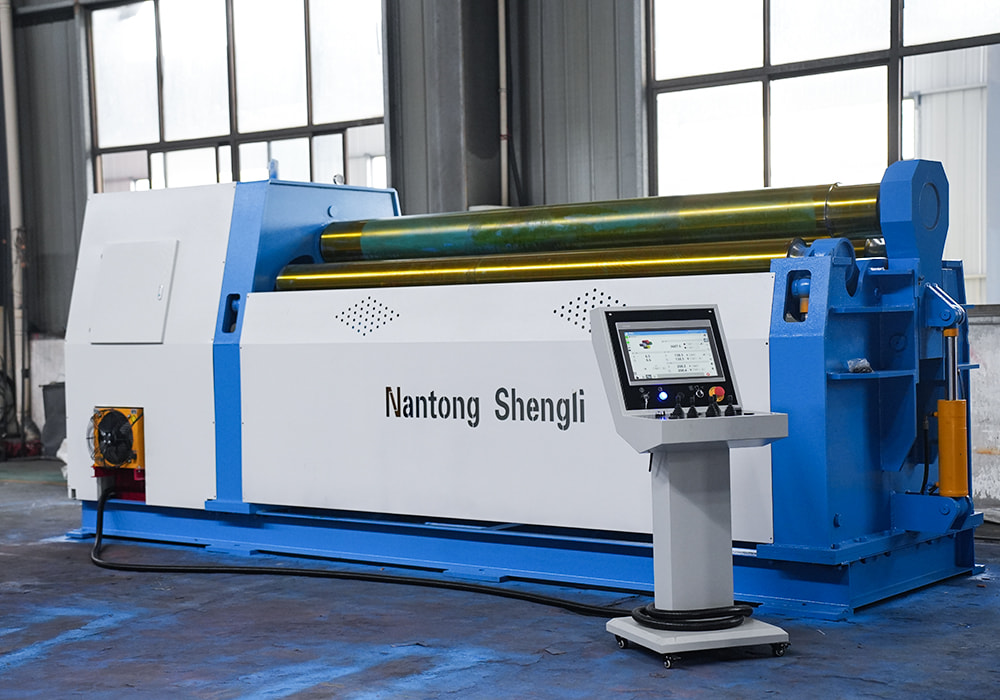 HDLW12-12×3000 4 Rolls Plate Bending Machine
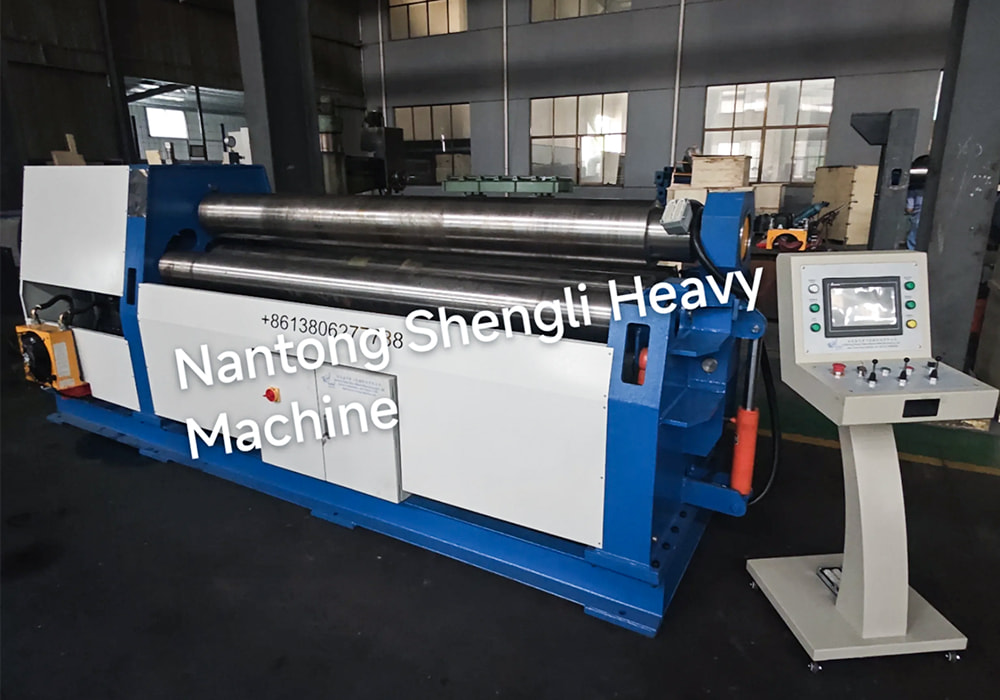 HDLW12-25×2500 Pipe Bending Rolling Machine
 HDLW12-70×3200 CNC 4 Roll Metal Roll Bender
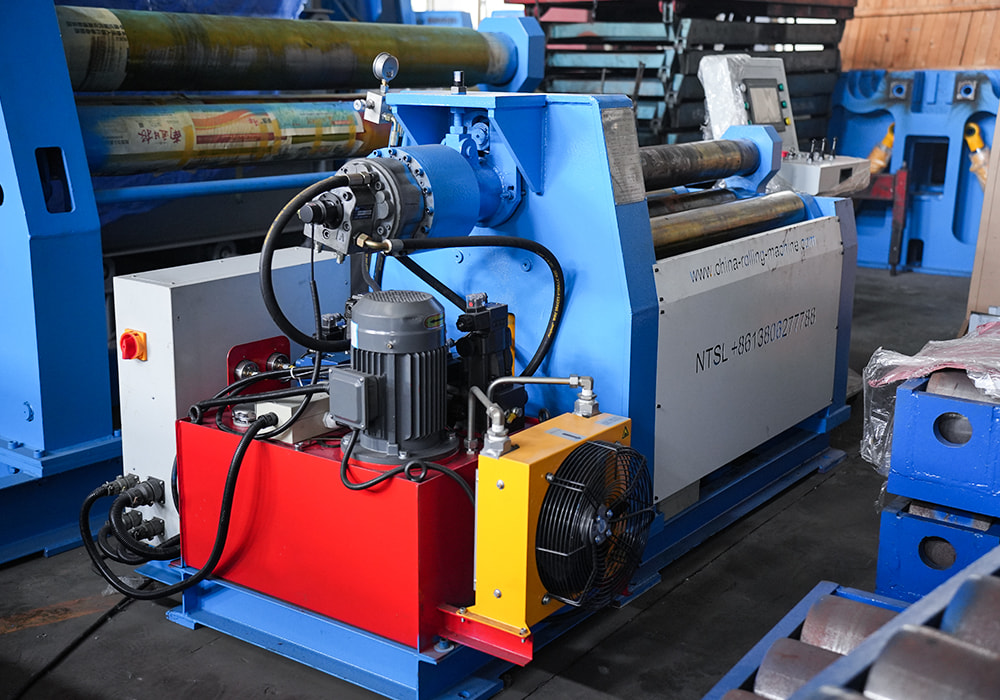 HDLW12-8×1000 4 Roll CNC Sheet Bending Machine

The company boasts strong technical capabilities, holds numerous national patents, and produces high-quality products that are widely recognized by customers both at home and abroad.

 Previous