English
 русский
 Español
Industry News
Home / News / Industry News / Plate Forming Equipment Procurement: Key RFQ Parameters Buyers Must Specify
A pressure-vessel fabricator sent a plate rolling machine RFQ to three suppliers with only "30 mm x 3000 mm plate bending machine" and a target price. The returned quotations referenced different roll configurations, different pre-bending claims, and different motor ratings. Two quotes could not be compared at all, and the project burned three weeks before a corrected RFQ was issued. This is the real cost of omitting key parameters in plate forming equipment procurement.
An RFQ for plate forming equipment is a technical contract between the buyer and every quoting supplier. This guide defines the parameters that must appear in that document, using the specification practice of Nantong Shengli Heavy Industry Machinery Manufacturing Co., Ltd. (brand name Hengdeli), a metal forming equipment manufacturer from Nantong, China, with more than twenty years of production experience in plate rolling machines, leveling machines, and LSAW pipe mill lines.
A well-written RFQ produces one result: every supplier quotes against the same technical baseline, so the buyer can compare price, lead time, and capability without reopening the specification.
A complete RFQ works in four directions. It forces the supplier to state what is included and what is excluded. It creates the baseline for the future purchase contract. It makes quotations comparable by removing interpretation. And it protects both sides from scope disputes at the acceptance stage.
Working length, maximum thickness, roll configuration, and forming force determine roughly 80 percent of a plate rolling machine price, so every geometry parameter in the list below must be stated numerically in the RFQ.
The chart below compares the maximum rolling thickness of six plate rolling series produced by Hengdeli at its Nantong facility. The same type of comparison should be prepared by the buyer when evaluating any bids.
The four-roll configuration adds a hydraulically adjustable bottom roll and a back roll, which gives the operator independent pre-bending at both plate ends and stable feeding for long shells. For high-mix production of tanks, towers, and pipe sections, a CNC four-roll machine is normally the correct baseline to specify.
 CNC 4-Roll Plate Bending MachineThis CNC four-roll machine offers independent pre-bending at both plate ends and stable feeding for long shells, making it a reliable baseline for high-mix production of tanks, towers, and pipe sections. Material strength directly affects its required capacity and cost.View Product →
| Parameter | Three-roll machine | Four-roll machine |
| Pre-bending control | Requires pre-bending allowance or additional plate-end passes | Full pre-bending of both ends in a single pass |
| Plate alignment | Side stop or marking based | Lateral adjustable bottom roll |
| Typical max thickness | Up to 150 mm in symmetrical series | Up to 70 mm in CNC series |
| Price level | Lower capital cost | Higher capital cost, lower operating labour |
| Best fit | General fabrication and low-volume work | Production of tanks, towers, and pipe shells |
Material data is the second pricing driver: a machine quoted for 250 MPa structural steel is not comparable with a machine quoted for 690 MPa quenched and tempered plate, because the second needs stronger rolls, a heavier frame, and more bending force.
Include the following material and operating fields in every RFQ:
Material parameters become application-specific when the finished part is a pressure vessel shell, a wind tower section, or a line pipe. Wind tower segments, for example, are formed from high-strength steel plate in widths of 3000 mm and more, which is why tower-specific bending machines are listed as a separate RFQ category.
Wind Tower Section Bending MachineEngineered for wind tower segments formed from high-strength steel plate up to 3000 mm wide, this bending machine addresses the specific demands of tower production. Tight tolerances on roundness and seam mismatch are critical for code inspection and weld fit-up.View Product →
Written tolerances convert a machine specification into an acceptance standard. Roundness, seam mismatch, and pre-bending angle affect whether a rolled shell will pass code inspection and weld fit-up without rework.
| Tolerance parameter | Representative RFQ value | Reason for the requirement |
| Roundness, ovality | Within 1 percent of shell outside diameter | Controls fit-up of circumferential weld joints |
| Longitudinal seam gap or mismatch | Maximum 2 mm at the closing seam | Prevents weld defects and rework |
| Pre-bent tangent length | At least 2 times plate thickness | Avoids flat spots at longitudinal welds |
| Edge straightness deviation | Maximum 1.5 mm per meter | Keeps the welding gap uniform |
| Conical section capability | Cone angle range stated by buyer | Tower and tank sections are often conical |
When incoming plate carries residual stress from thermal cutting or coil set, the RFQ should state whether plate leveling is inside the delivery scope. A nine-roll W43S leveling machine corrects these deviations before the plate enters the rolling machine, which improves the roundness result and reduces rejection rates.
Nine-Roll Plate Leveling MachineThis nine-roll W43S leveling machine corrects residual stress and coil set in incoming steel plate before rolling. Specifying it in the RFQ improves roundness results and reduces rejection rates, especially for pressure vessel and tank applications.View Product →
Certificates and documentation turn a quoted machine into a buyable asset, and the RFQ should list exactly which documents the supplier must deliver with the quotation and again with the machine at the final delivery, not after follow-up emails.
Before shortlisting a supplier, verify that its quality assurance process is documented and open to inspection. A manufacturer that proves quality control with evidence will behave the same way after the deposit is paid.
Commercial terms are where hidden cost usually hides: if the RFQ leaves Incoterms, payment, or installation scope open, suppliers build quotes on different delivery assumptions and the lowest price wins on a fiction.
Supplier reliability matters as much as the machine specification. Evidence that a manufacturer has received repeat purchases from existing industrial customers is a stronger signal than any marketing description, because repeat orders prove that the installed machines keep production running.
Price normalization is the step most buyers skip. Before comparing any two quotations, restore every offer to the same technical baseline and the same commercial scope.
Yes. A three-roll machine that rolls 50 mm plate may only pre-bend 40 mm plate. Stating both values forces every supplier to quote the same forming capability and prevents a low quote based on the easier number.
Three to five qualified manufacturers is the practical range for capital equipment. One supplier gives no comparison baseline, and more than five creates evaluation noise. Send the identical document to every bidder.
Omitting material yield strength and pre-bending duty is the most frequent error. Writing "30 mm steel plate" without grade and yield strength lets the supplier quote on a weaker material, and the delivered machine ends up undersized for the real workload.
Two to three weeks is standard for conventional rolling machines. Allow four weeks when the scope includes automation, custom tooling, or a complete JCOE or RBE pipe mill production line, because engineering must verify loads and motor power.
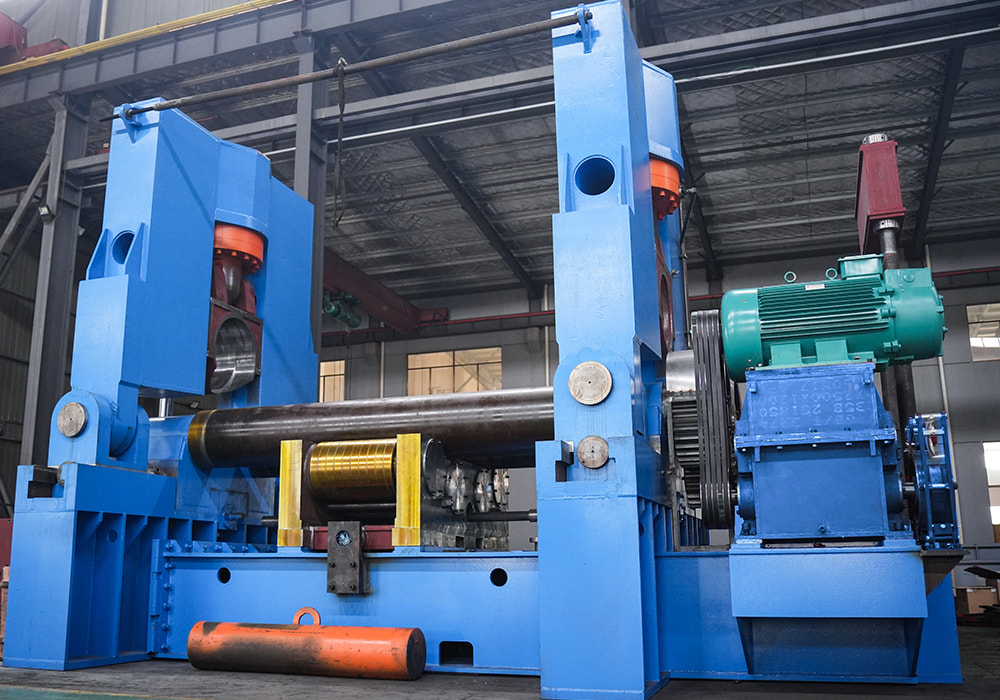 HDLW11S-120×3500 Upper Roller Universal 3-roller Plate Rolling Machine
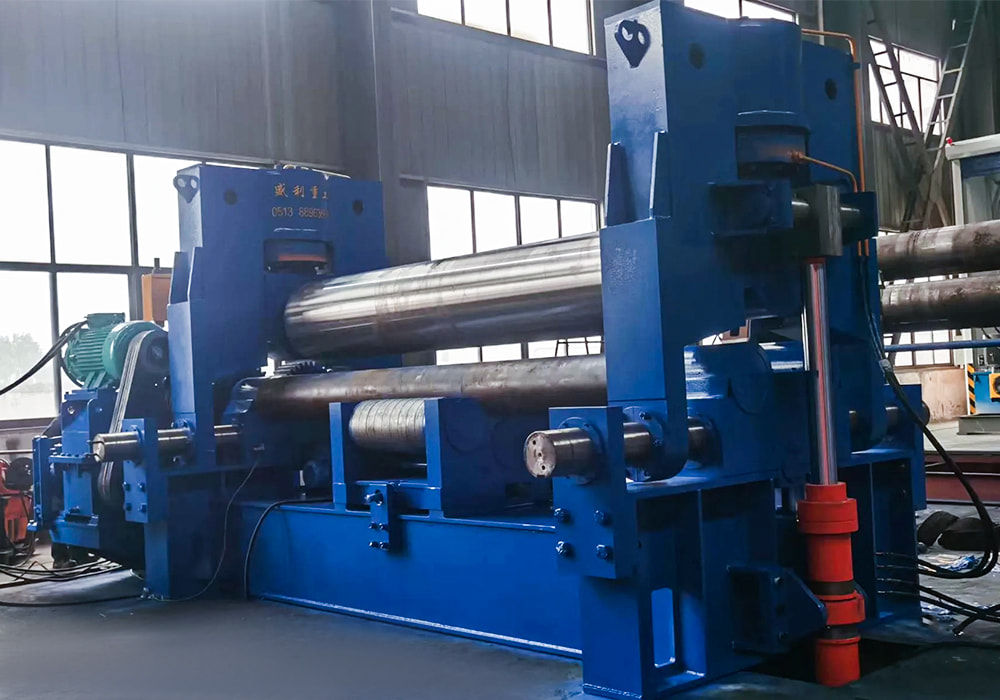 HDLW11S-50X3000 Upper Roller Universal 3-roller Plate Rolling Machine
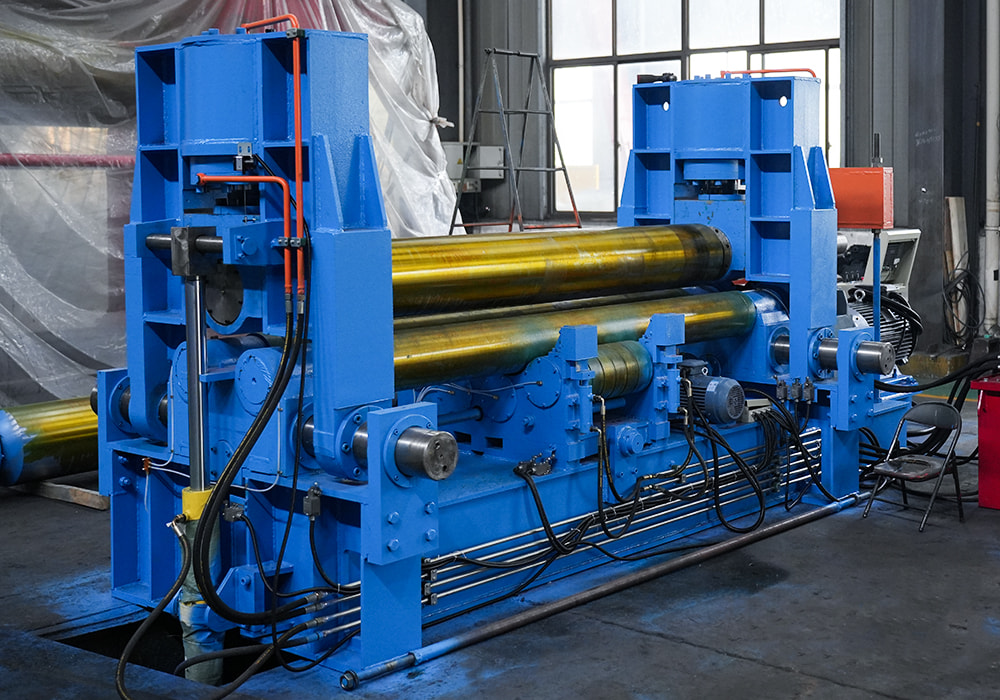 HDLW11S-30×3000 Upper Roller Universal 3-roller Plate Rolling Machine
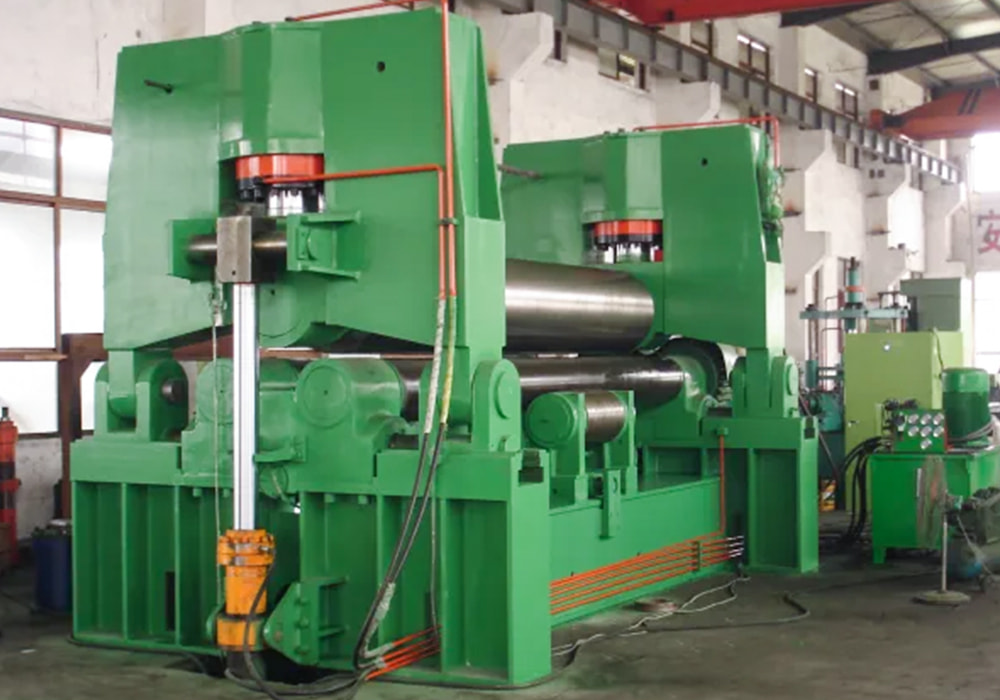 HDLW11X-100×3100 oblique 3-roller plate rolling machine
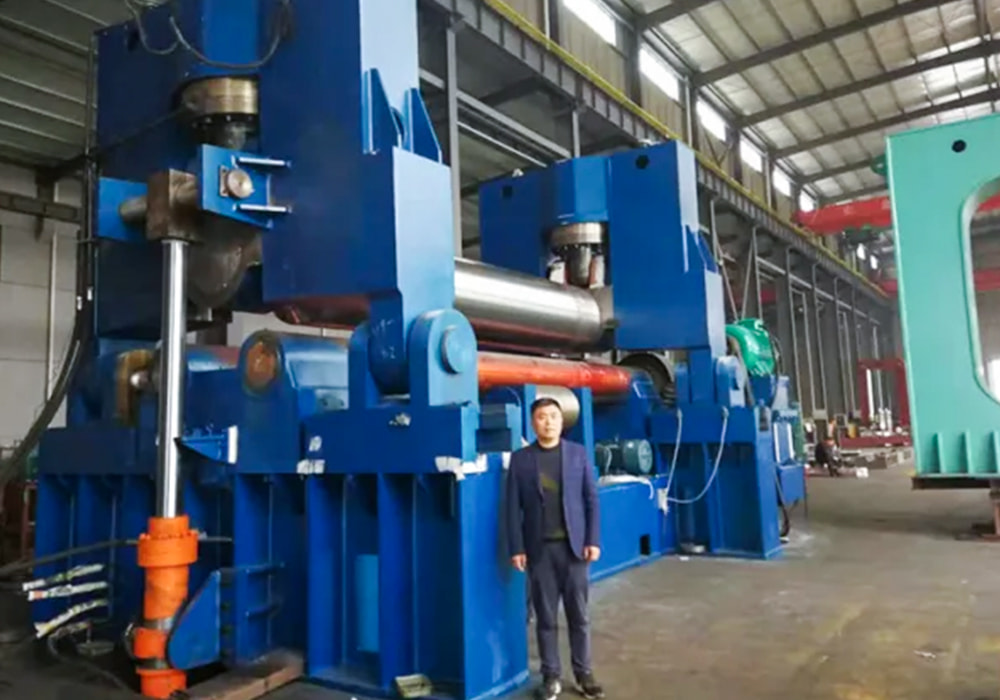 HDLW11-150X3200 hydraulic symmetrical 3-roll plate rolling machine
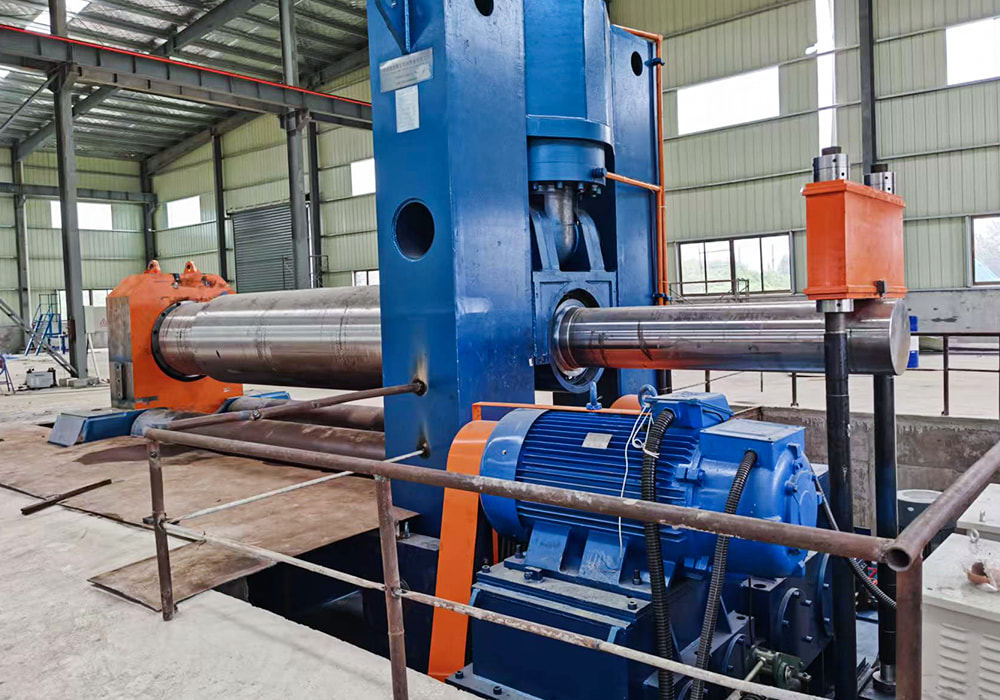 HDLW11-120X3500 Symmetrical 3 Roller Plate Rolling Machine
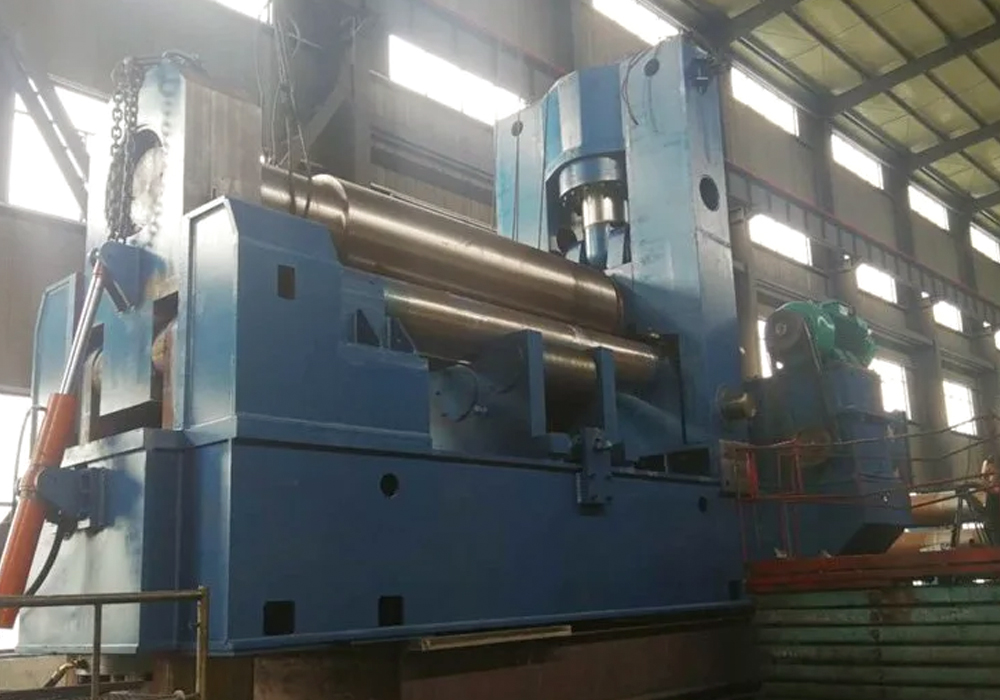 HDLW11-100X4200 pull-down 3 roller plate rolling machine
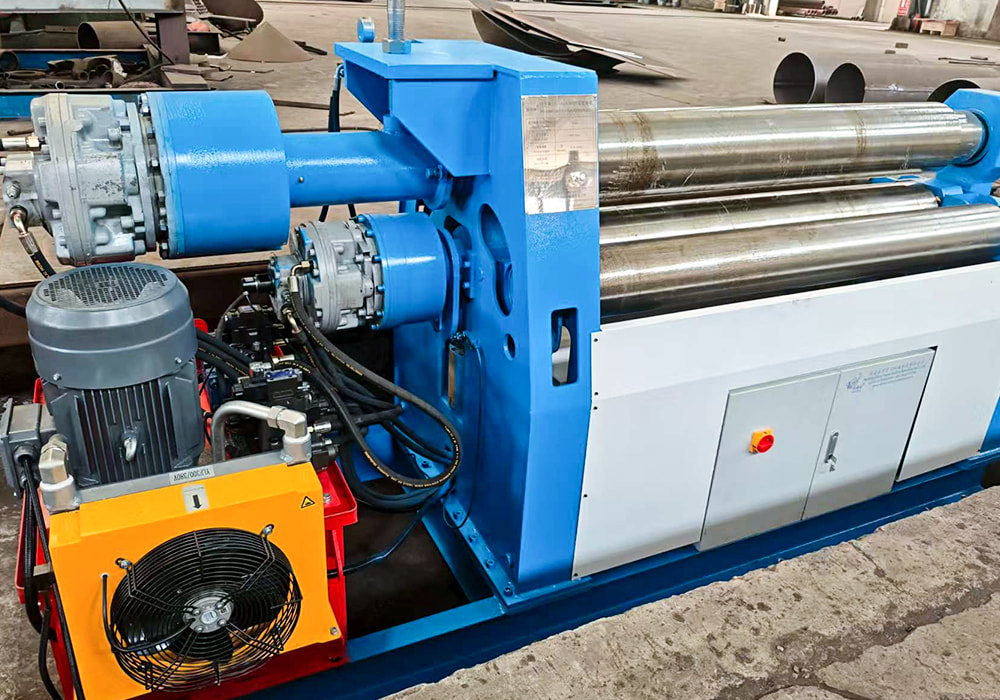 HDLW12-16x1600 CNC 4 Rolls Metal Sheet Bending Machine
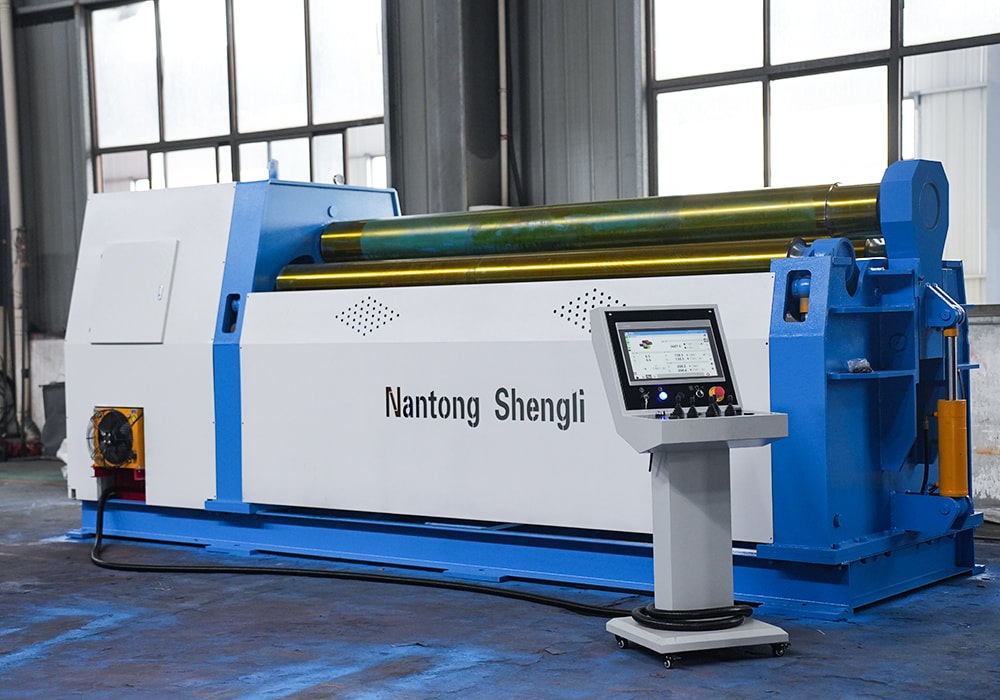 HDLW12-12×3000 4 Rolls Plate Bending Machine
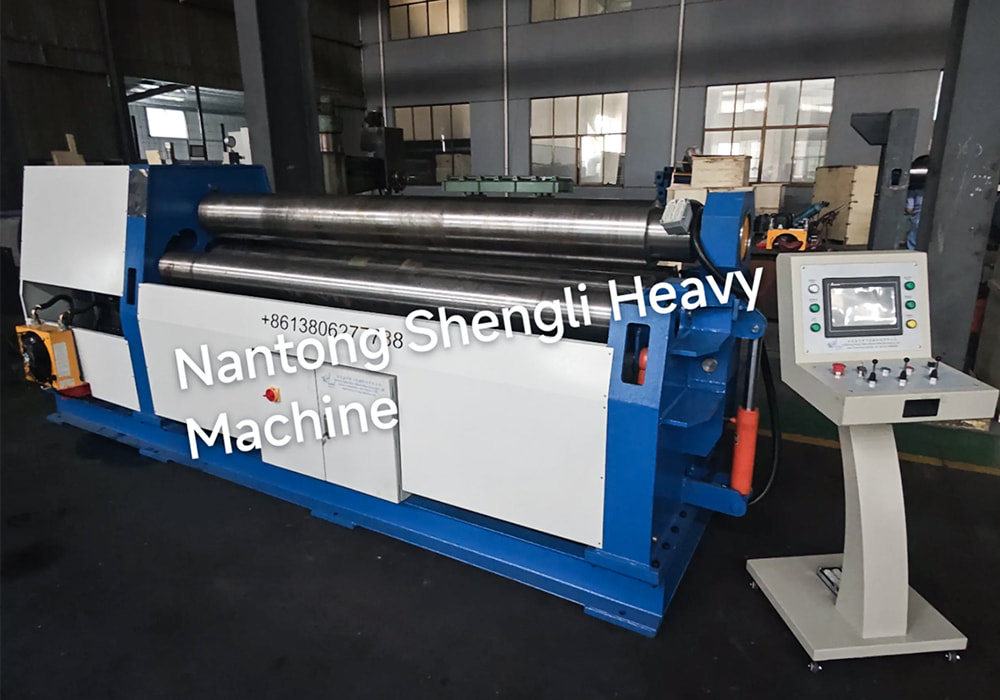 HDLW12-25×2500 Pipe Bending Rolling Machine
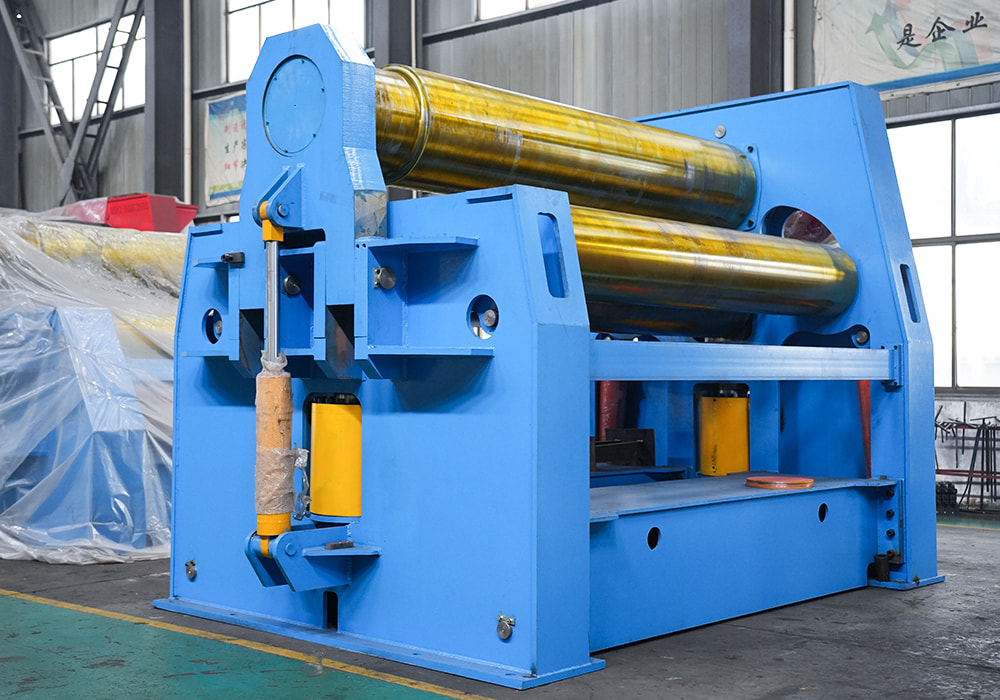 HDLW12-70×3200 CNC 4 Roll Metal Roll Bender
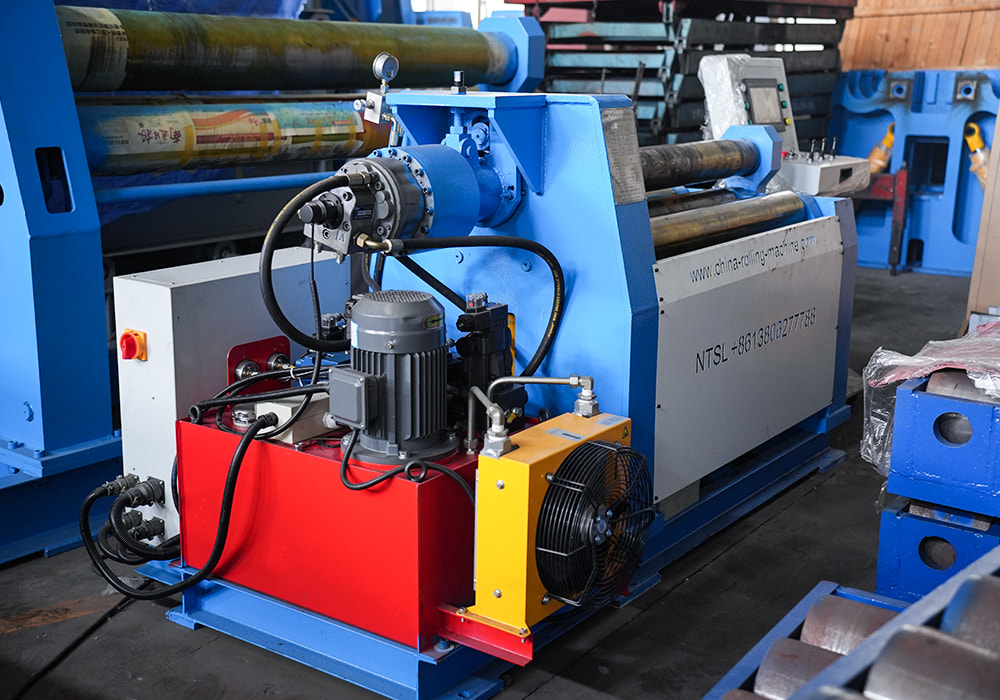 HDLW12-8×1000 4 Roll CNC Sheet Bending Machine

The company boasts strong technical capabilities, holds numerous national patents, and produces high-quality products that are widely recognized by customers both at home and abroad.

 Previous