 English
 русский
 Español
Industry News
A 6 m plate comes off the table with a straight zone of roughly 85 mm at both ends, the closing seam opens up by 12 mm when the shell is released from the rolls, and the drive-side roll drifts 3 mm under load. For anyone operating a 4-roller plate rolling machine, this is a familiar morning - and each of these symptoms points to a specific, fixable root cause.
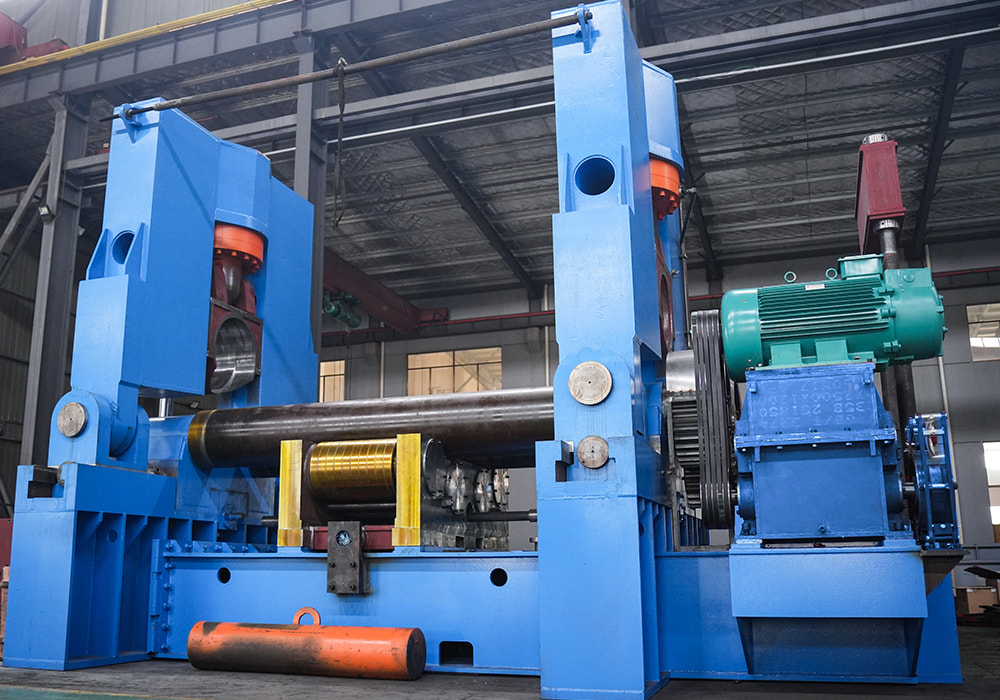
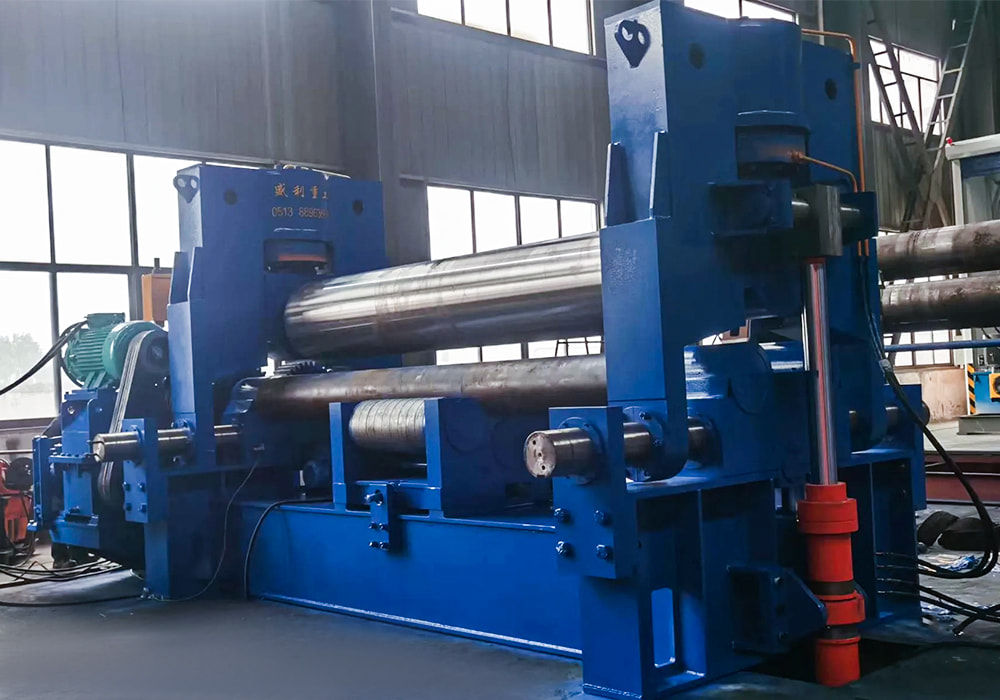
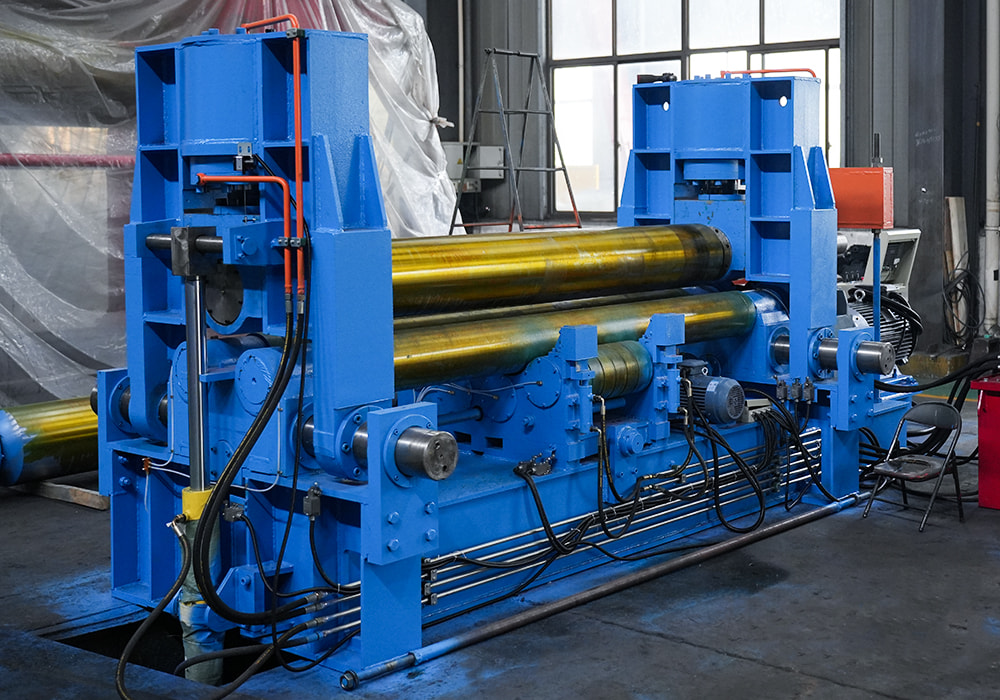
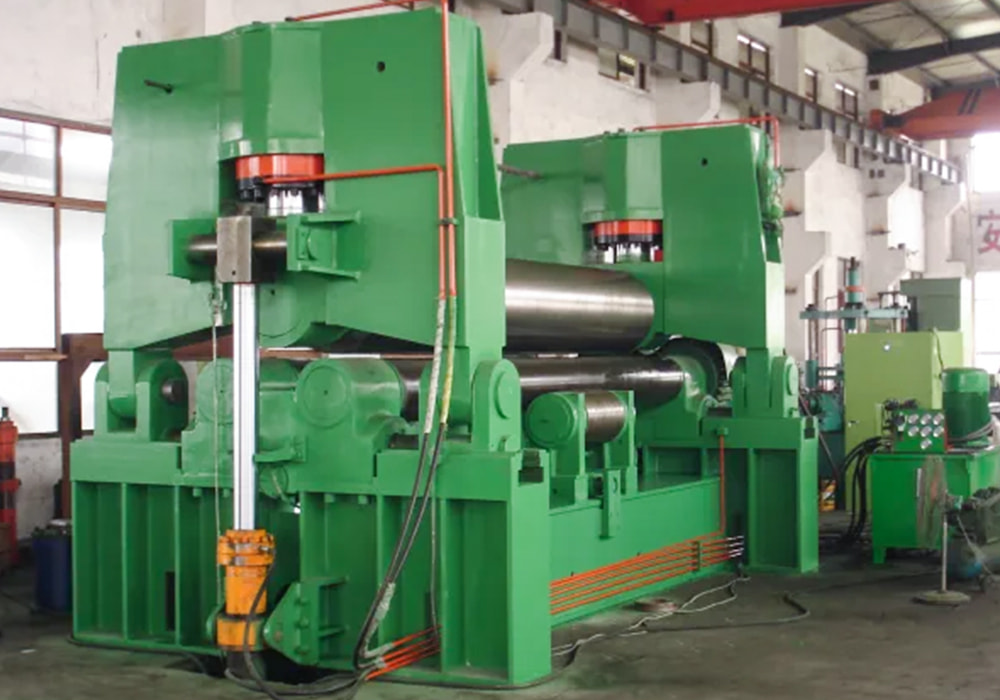
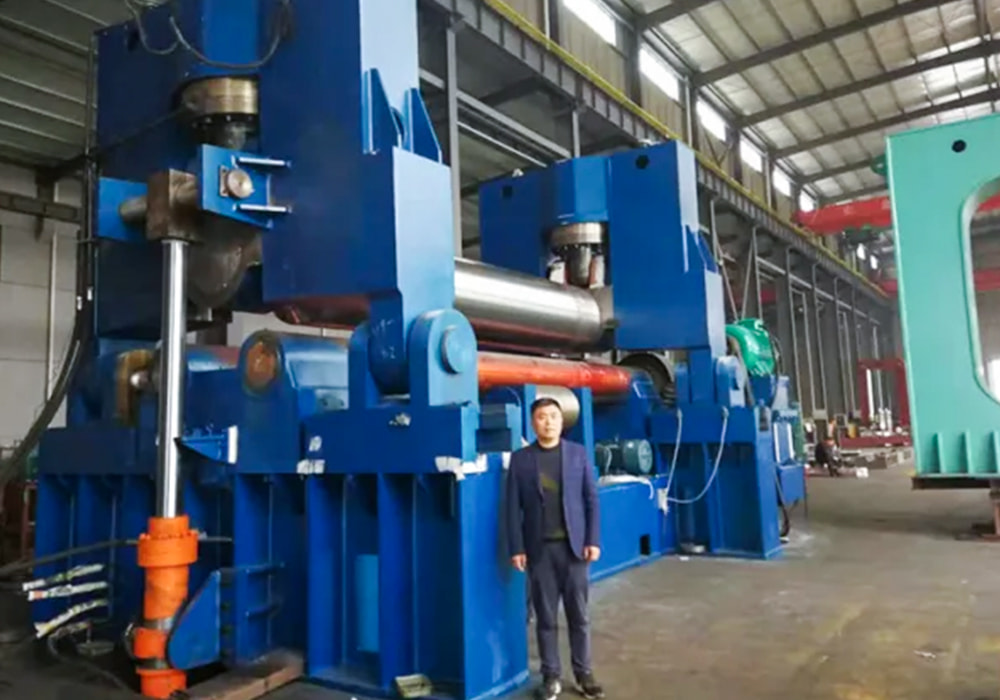
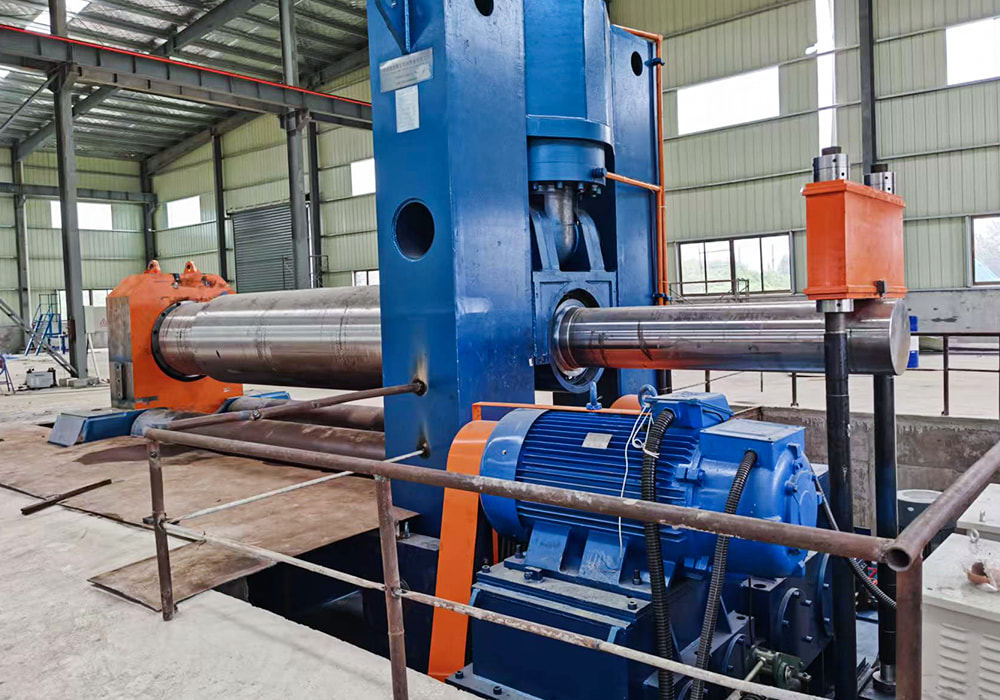
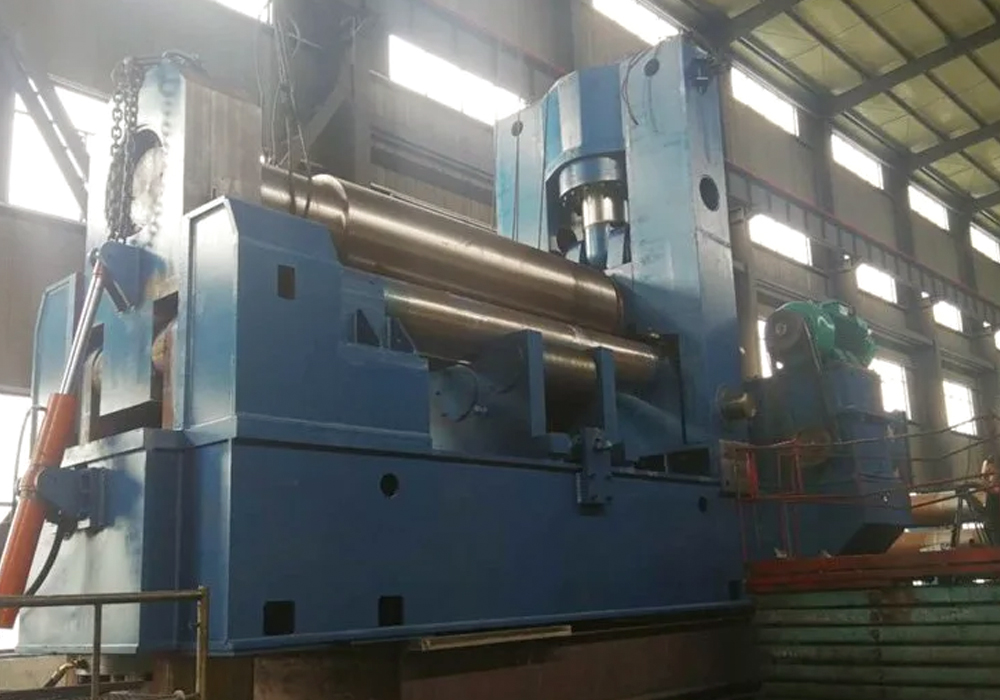
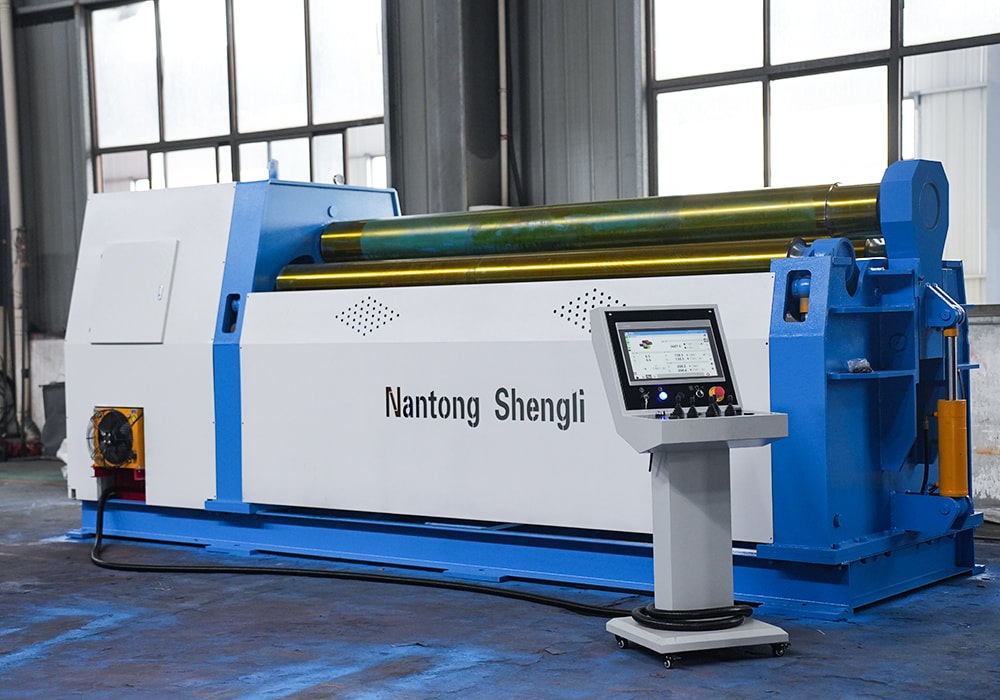
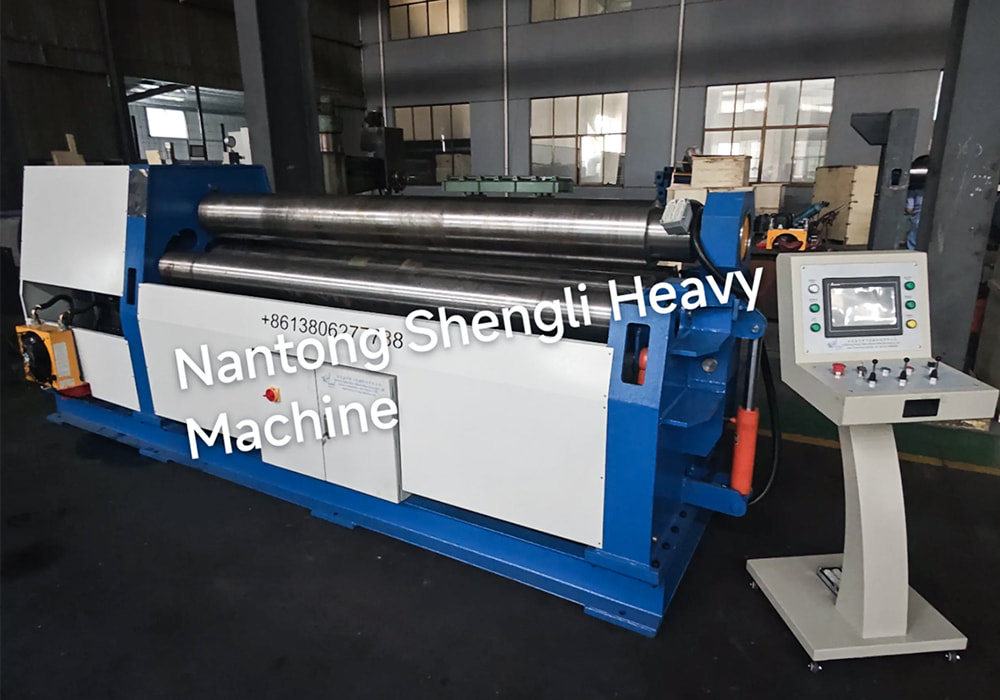
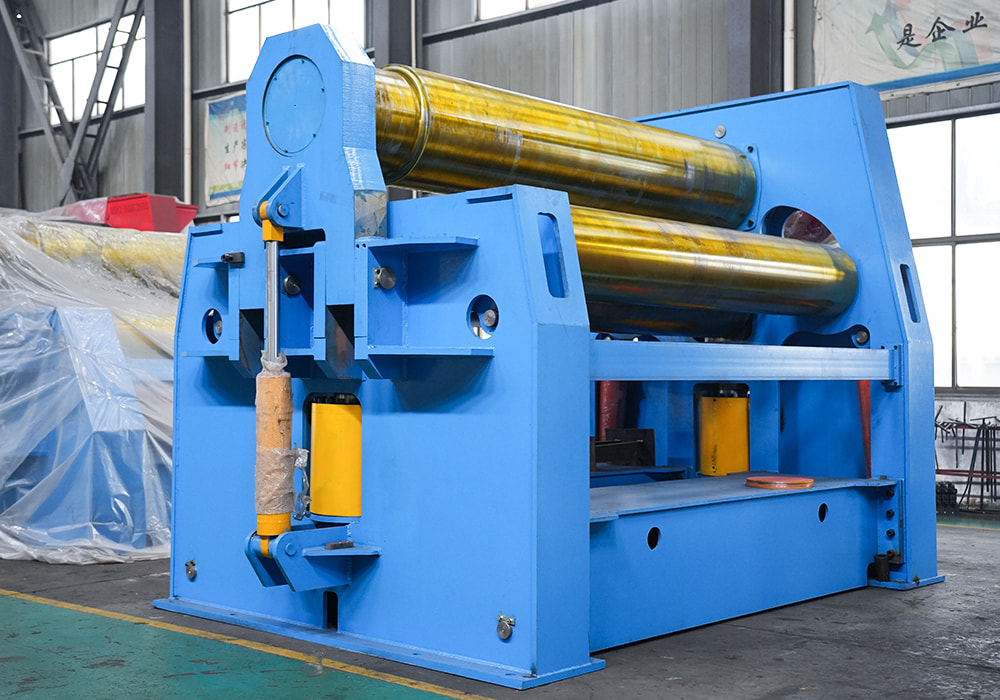
A four-roll plate rolling machine clamps the plate between a fixed top roll and a hydraulically rising bottom roll, while two independently adjustable side rolls perform bending and pre-bending. Because both edges can be pre-bent without turning the plate over, four-roll machines are the standard choice for pressure vessel shells, tank rings, wind tower sections, and pipe fabrication. Nantong Shengli Heavy Industry Machinery Manufacturing Co., Ltd. (Hengdeli) builds the HDLW12 series in this format, with models covering plate widths from 1000 mm to 8000 mm and CNC control on the larger units.
Definition: the pre-bent zone is the region at each end of a plate where a separate side-roll adjustment creates the final curvature before the full rolling pass. Without it, the plate ends stay flat no matter how many passes the cylinder is given.
Flat Plate Ends: The Most Frequent Shape Defect
Flat plate ends are the most common quality defect on four-roll machines, and the cause is almost always an insufficient pre-bending offset rather than a mechanical fault.
When the plate is pinched between the top and bottom rolls, the deformation zone does not reach the physical end of the sheet. In practical terms, the first 60 to 100 mm on each edge keeps its original flat profile. On a four-roll machine, the lower side roll exists precisely to remove this zone, but only when the operator sets the side-roll travel far enough before the first rolling pass.
Correct pre-bending sequence
- Clamp the plate with the bottom roll at the required pinch force.
- Raise the lower side roll until the plate edge reaches the target bending radius.
- Roll the plate across the pre-bent zone, then repeat at the opposite end.
- Complete the full pass and measure the closing gap before welding.
Field rule: if the flat zone remains wider than 1.5 times the plate thickness after the first pre-bending pass, check the side-roll position scale and the pinch pressure before changing rollers.
Shell Gap After Unloading: Springback Compensation
A shell that springs open after unloading is a springback compensation problem - the rolling radius must be temporarily smaller than the finished radius by the amount the material springs back.
Springback changes with yield strength, thickness tolerance, and the actual bending radius. A plate specified as 12 mm thick can arrive at 12.5 mm, and the same side-roll position then produces a different curvature. Manual correction works, but repeatability requires accurate material measurement or CNC positioning. A CNC unit such as the HDLW12-40x3200 CNC 4-roll plate rolls stores compensation curves for material grades and applies the corrected side-roll position automatically.
Under-bending
The plate springs back more than expected and the shell cannot close. Usually found when a thinner or higher-yield plate is used without adjusting the side-roll position.
Over-bending
The plate is bent past the target radius and the edges overlap when the shell is released. Typically caused by ignoring springback at low diameter-to-thickness ratios.
Practical method: roll a 300 mm test coupon from the same material batch, measure the gap after unloading, and adjust the side-roll position by half of the measured deviation. On production runs, enter that adjustment into the controller and reuse it for every pass.
Conical Shapes and Plate Drift
A rectangular plate that becomes conical or corkscrew shaped is produced by asymmetric bending force - the side rolls are not traveling equally, the hydraulic pressures are not balanced, or the plate entered the rolls with a skew angle.
- Unequal hydraulic pressure between the drive-side and idle-side side-roll cylinders
- Backlash in one side-roll swivel joint or pinion drive
- Bottom-roll pinch force too low for the plate weight
- Plate length significantly longer than the roll body without a support table
Diagnosis starts with a dry pass at minimum pressure: if the gap between the top roll and the plate changes from one end to the other, the machine geometry needs alignment before any production rolling.
Quick test: place a straightedge across the top roll at both ends. The clearance to the plate surface must match within 0.2 mm across the full width before heavy rolling is attempted.
Recurring Hydraulic Faults: Pressure, Drift, and Noise
The majority of repeated hydraulic faults on four-roll machines are traced to oil contamination and air in the circuit, not to failing pumps or cylinders.
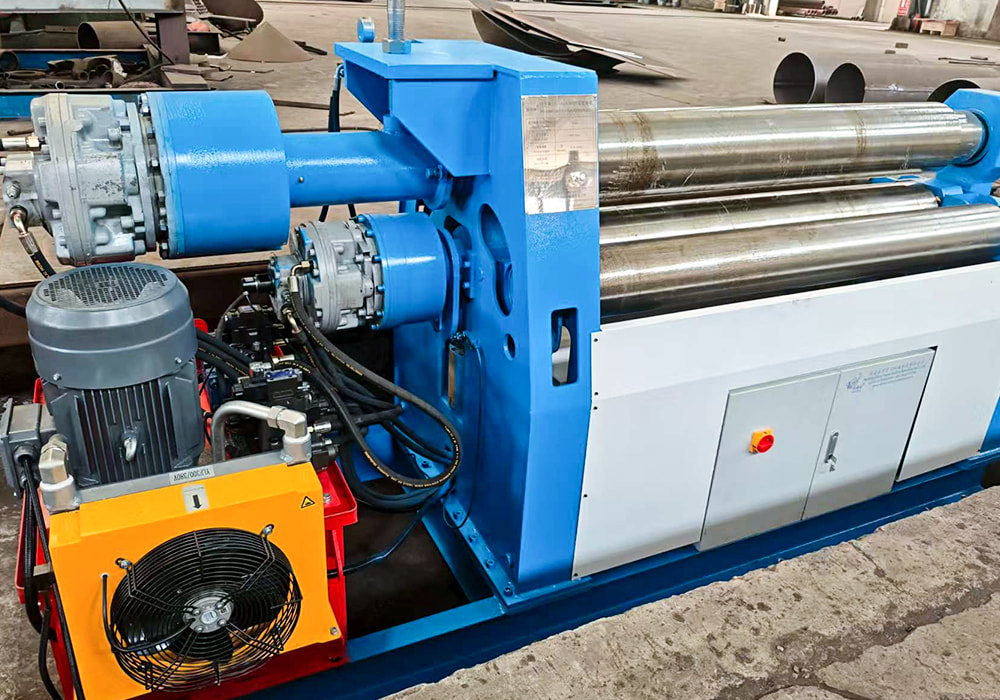
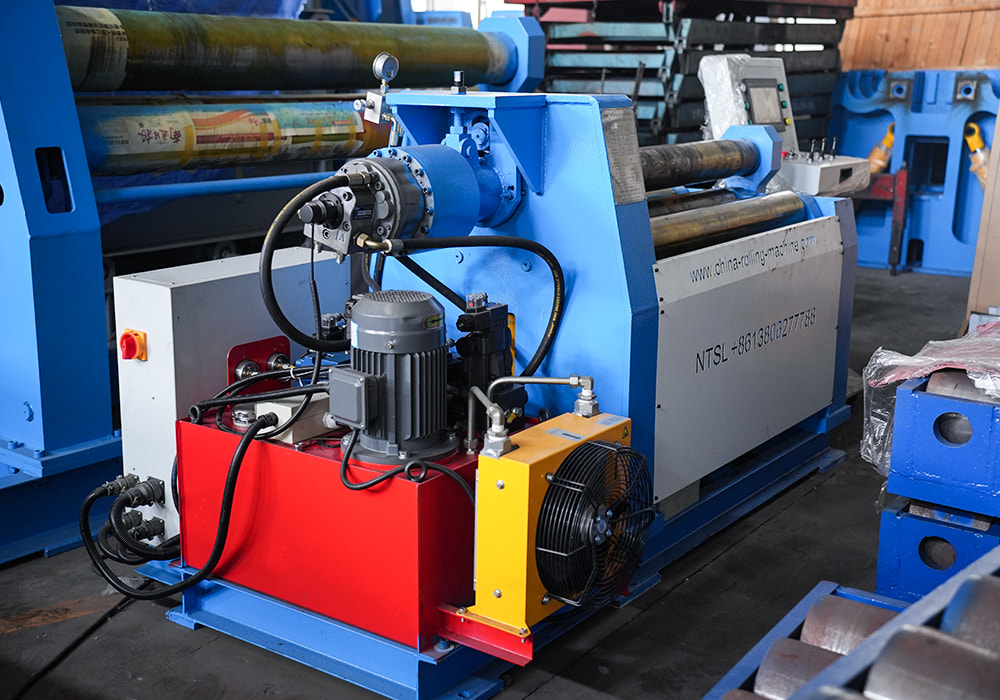
Hydraulic four-roll machines use high-pressure oil for the bottom roll and both side rolls. Dirty oil makes directional valves stick, causes holding pressure to drop, and allows the side rolls to creep under heavy load. Air in the circuit produces a spongy positioning response and audible cavitation noise.
- Replace hydraulic oil every 2000 operating hours or once a year, whichever comes first
- Inspect suction and return filters after the first 500 hours on a new machine
- Bleed air from both side-roll cylinders after any hose, valve, or cylinder replacement
- Verify pressure-relief settings with a calibrated gauge, not by feel
Selecting the right machine size also protects the hydraulic system from continuous overload. A four-roll plate bending machine sized for medium plate such as the HDLW12-12x3000 keeps pump pressure and cylinder force inside their designed range when production stays below the rated capacity.
Service fact: around 24 percent of field-service cases on plate rolling equipment involve the hydraulic circuit, and the great majority of those cases are solved by filtration, bleeding, and seal replacement rather than major component exchange.
Roller Surface Damage and Workpiece Marking
Marks transferred to the plate usually come from the roller surface, not from the material, and they are prevented by keeping the rolls clean, lubricated, and free of edge impact.
Heavy plate carries scale and hard edges. If the scale is not removed before rolling, it embeds into the roller surface and produces a repeating indentation on every revolution. A scratched top roll becomes worse over time because the pinch force concentrates at the damage line.
- Remove scale from the plate surface and edges before rolling
- Lubricate the rolls with film or oil, especially for long shells
- Resurface rollers when local wear exceeds 0.5 mm
- Store spare rolls vertically with protective covers
A 0.5 mm groove on a top roll shows up on every finished shell as a circumferential line. Resurfacing one roller set is far less expensive than losing a batch of pressure vessel rings.
Troubleshooting Matrix and Preventive Maintenance
A structured troubleshooting matrix shortens downtime because it directs the operator to the cheapest and most likely check first.
| Symptom | Most likely cause | First check |
| Flat plate ends | Insufficient pre-bending offset | Side-roll position scale and pinch pressure |
| Shell gap too wide | Springback not compensated | Test coupon from the same material batch |
| Conical or skewed shells | Side-roll synchronization or pressure imbalance | Encoder and pressure values on both sides |
| Side rolls creep under load | Contaminated oil or air in the circuit | Oil sample and cylinder bleed screws |
| Circumferential surface marks | Roller damage or plate scale | Visual roller inspection and plate cleaning |
Key conclusion: roughly three quarters of the common problems on four-roll plate rolling machines are influenced directly by operator procedure and maintenance discipline - not by the machine design.
For long-shell work, choosing the machine format matters as much as rolling procedure. The extended-frame HDLW12-8x8000 four-roll machine for oil tank production keeps the plate supported along the full roll body, removing one of the main causes of drift on long shells.
When to Call the Machine Builder
Some problems are procedure-side and some are machine-side; when the machine cannot hold positioning accuracy, when pressure drops under load, or when the frame alignment shifts, the fastest path is to contact the builder with the machine model, serial number, plate thickness, and a short description of the symptom.
Hengdeli's documented quality assurance process gives buyers a clear baseline for acceptance testing, and the same documentation helps operators separate commissioning issues from wear-related faults. Fabricators that standardize rolling procedures and follow maintenance intervals are also the ones that tend to return to the same manufacturer for their next machine - a pattern visible in the repeat-purchase history of Hengdeli's customers.
The support model of the company is centered on commissioning and production assistance, which is what matters most when a four-roll machine goes back into service after a breakdown.
Recommendation: before calling the machine builder, record the machine model, plate specification, and the measured symptom. A fault description with these three details reduces diagnosis time from days to hours.
Frequently Asked Questions
Why does my 4-roller machine leave flat edges on the plate?
Flat edges come from an incorrect pre-bending sequence. The side roll must be positioned so the plate edge reaches the required radius before the full rolling pass. Check the side-roll travel indicator and the pinch pressure first.
How much springback should I expect when rolling structural steel?
For structural steel at a diameter-to-thickness ratio of about 30, expect 2 to 5 degrees of springback. Higher ratios and higher yield strength increase springback, so a test coupon from the same batch is the only reliable way to set the production position.
When should I change the hydraulic oil on a four-roll machine?
Change the hydraulic oil once per year or every 2000 operating hours, whichever comes first. After a major repair, replace the filters and bleed air from both side-roll cylinders before resuming full-load rolling.
Does CNC control reduce rework on 4-roller machines?
Yes. CNC stores side-roll positions and springback compensation values for specific material grades and thicknesses, converting the process from manual trial and error to repeatable positioning. This is most valuable when the same shell geometry is produced in repeated batches.
Note: if the same fault appears on three consecutive production runs, stop rolling and contact the machine builder before further damage occurs.
 Previous