English
 русский
 Español
Industry News
Home / News / Industry News / 3-Roll Plate Rolling Machine: Working Principle, Types, Applications, and Selection Guide
A 3-roll plate rolling machine bends flat metal sheet into cylindrical or arced shapes using three coordinated rolls instead of four. It remains one of the most common forming machines in pressure vessel, tank, and pipe fabrication because it balances mechanical simplicity with reliable curvature control.
A 3-roll plate rolling machine forms carbon steel, stainless steel, and aluminum plate into cylinders, cones, and arcs by passing the sheet between one upper roll and two lower rolls. The upper roll applies downward pressure while the lower rolls support and drive the plate through repeated passes. Machine capacity is generally described by three linked figures: maximum plate width, maximum plate thickness at a given yield strength, and minimum achievable rolling diameter. These machines are standard equipment in tank shops, boiler works, pipe mills, and general metal fabrication facilities.
Forming happens in three distinct stages, each building the curvature needed for a finished cylindrical or conical section.
The plate is fed between the upper and lower rolls and squared against the roll axis. Accurate positioning at this stage determines whether the finished cylinder stays cylindrical or drifts into a taper.
Because the rolls cannot fully engage the plate edges, the leading and trailing ends are pre-bent separately. Skipping this step leaves flat sections at the seam that require secondary correction after welding.
The upper roll descends in increments while the lower rolls rotate the plate through multiple passes, gradually tightening the curvature until the target diameter is reached.
Four subsystems determine forming accuracy and machine service life.
Selecting a machine on plate thickness alone is a common mistake; thickness, width, and material yield strength must be evaluated together.
Relative Influence on Roll Load (illustrative)
The choice between three and four rolls usually comes down to positioning effort, automation needs, and budget.
| Feature | 3-Roll Machine | 4-Roll Machine |
| Plate Positioning | Requires manual centering | Self-centering, faster setup |
| Pre-Bending | Separate step, machine-dependent | Usually integrated in-cycle |
| Automation Potential | Moderate | High, CNC-friendly |
| Typical Use | General fabrication, mid-volume | High-precision, high-volume |
Comparative profile across five selection criteria
Cylindrical and arced steel components across heavy industry are typically formed on a 3-Roll Plate Rolling Machine before welding.
Matching machine capacity to actual production needs prevents both undersizing and overspending. Key factors include maximum plate thickness at your working yield strength, effective roll length against your widest plate, minimum required rolling diameter, expected production volume, and whether hydraulic or CNC-assisted control is worth the added cost for your batch sizes.
It forms flat metal plate into cylindrical, conical, or arced shapes for tanks, pressure vessels, pipes, and structural fabrication.
Capacity varies by model, but typical machines roll plate from roughly 6mm up to 100mm depending on material yield strength.
A 3-roll machine needs manual plate centering and a separate pre-bend step, while a 4-roll machine self-centers and often integrates pre-bending in one cycle.
Operators typically over-bend slightly beyond the target diameter to compensate for the plate's elastic recovery once rolling pressure is released.
A 3-roll plate rolling machine remains a practical, cost-effective choice for general and mid-volume cylindrical forming work. Sound machine selection weighs plate thickness, width, material strength, minimum diameter, and production volume together rather than any single spec in isolation.
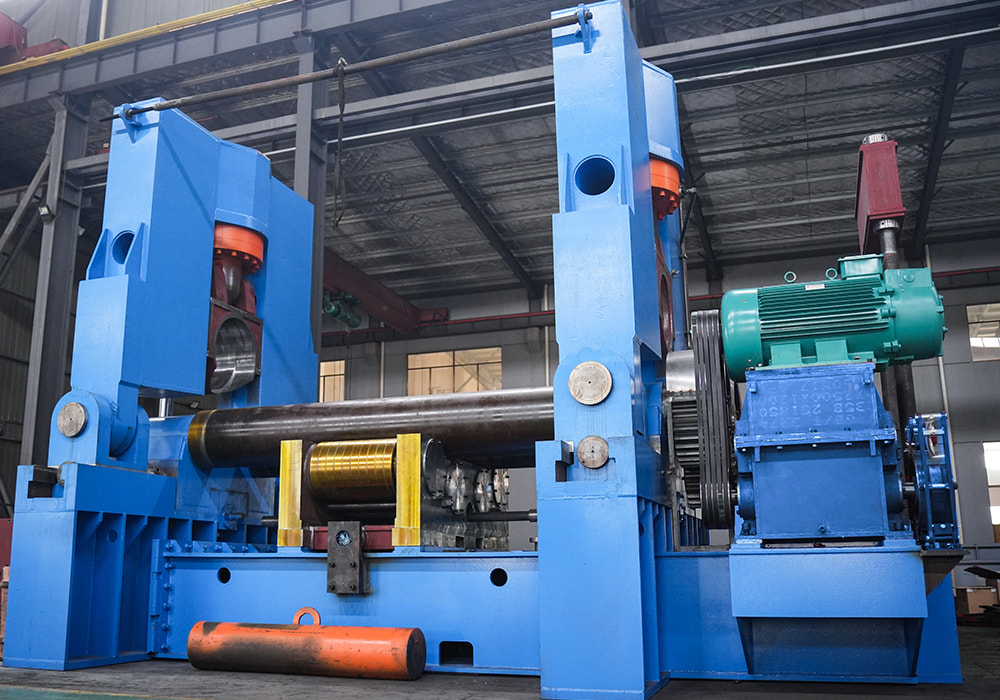 HDLW11S-120×3500 Upper Roller Universal 3-roller Plate Rolling Machine
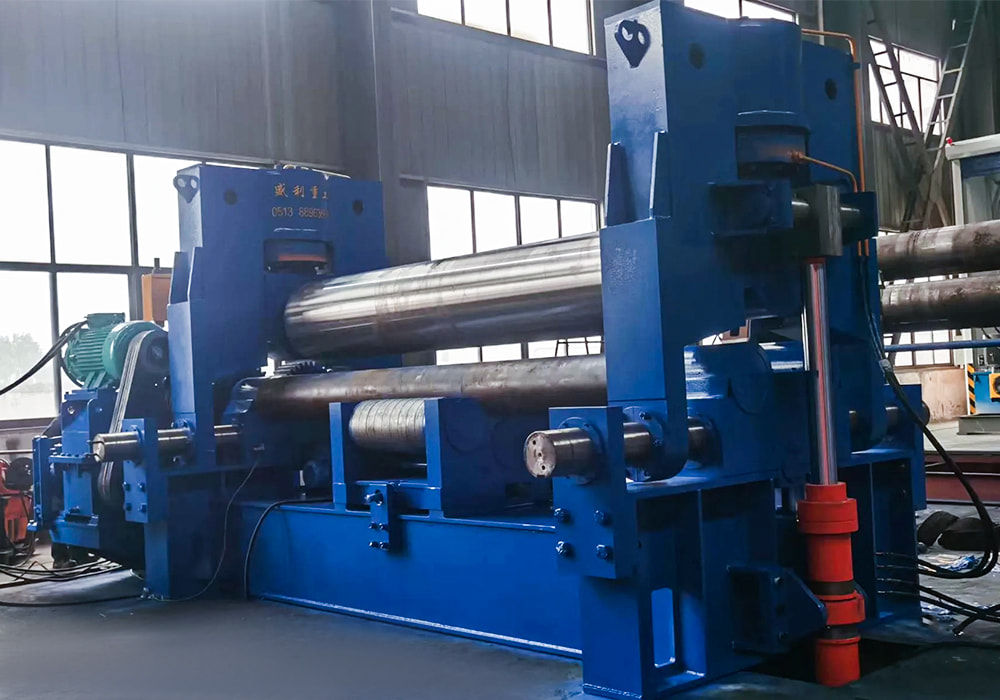 HDLW11S-50X3000 Upper Roller Universal 3-roller Plate Rolling Machine
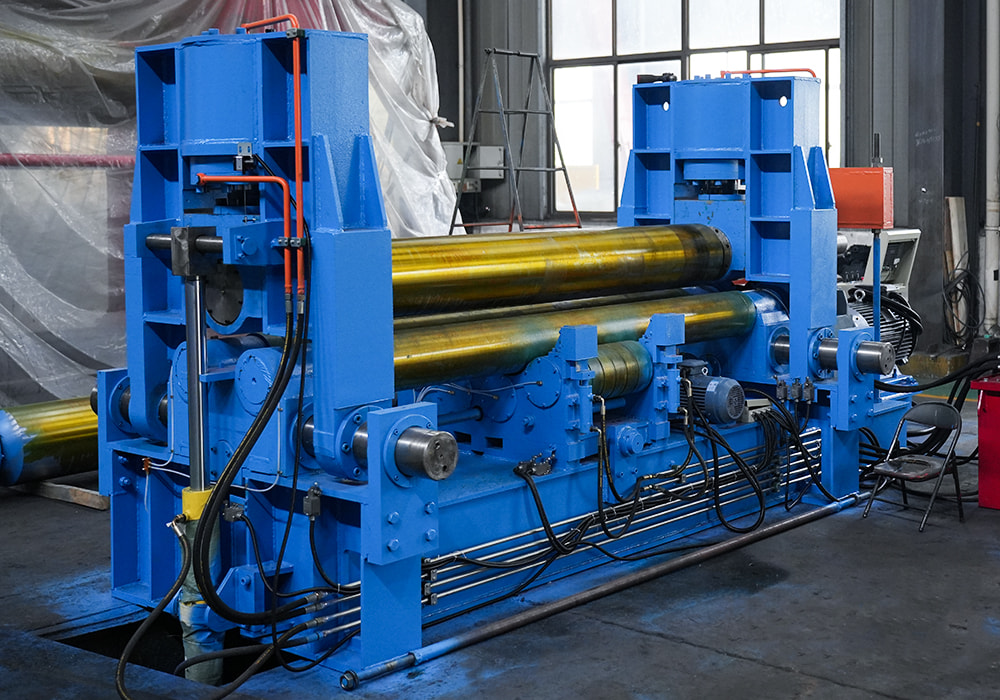 HDLW11S-30×3000 Upper Roller Universal 3-roller Plate Rolling Machine
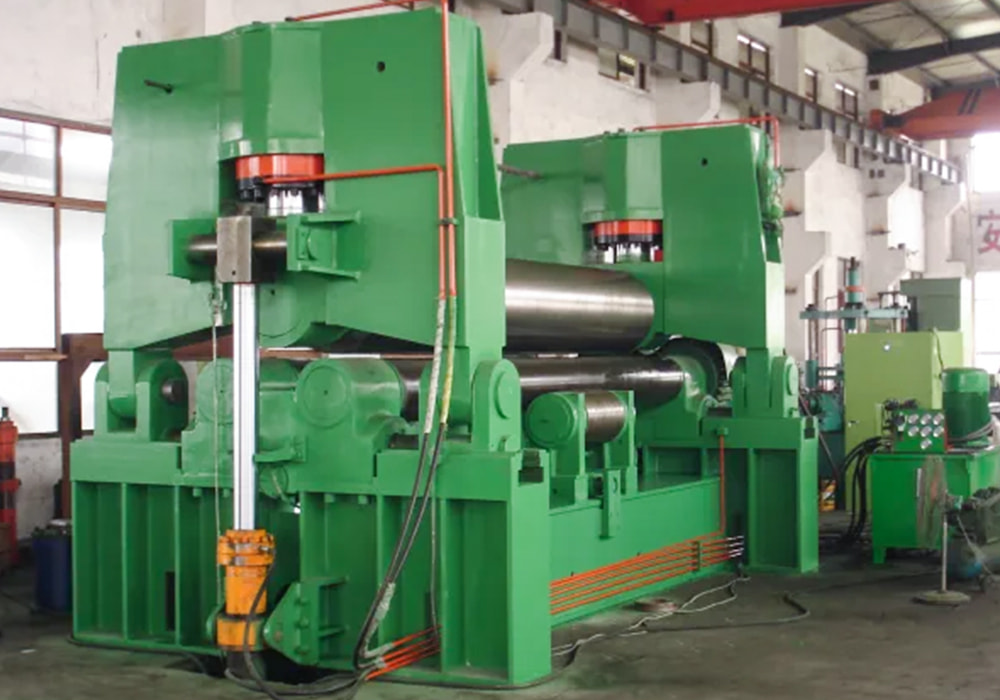 HDLW11X-100×3100 oblique 3-roller plate rolling machine
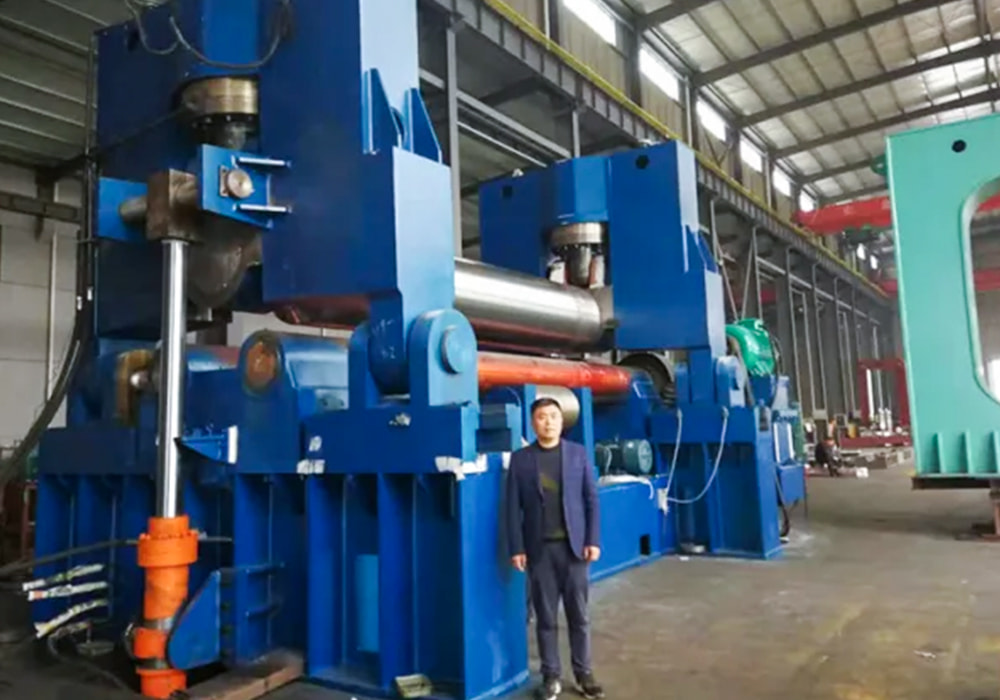 HDLW11-150X3200 hydraulic symmetrical 3-roll plate rolling machine
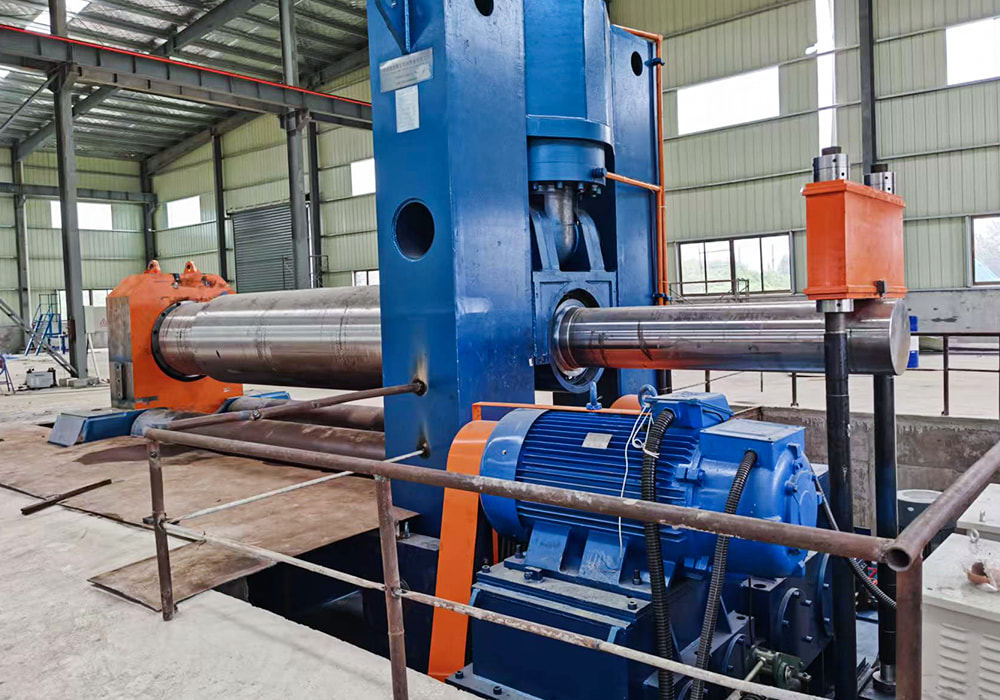 HDLW11-120X3500 Symmetrical 3 Roller Plate Rolling Machine
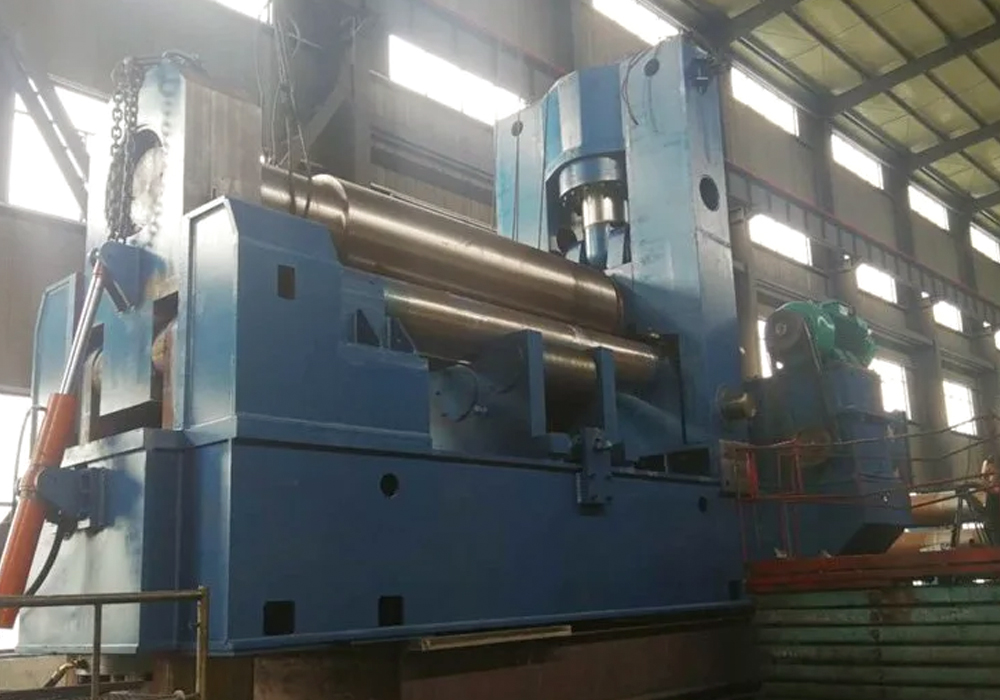 HDLW11-100X4200 pull-down 3 roller plate rolling machine
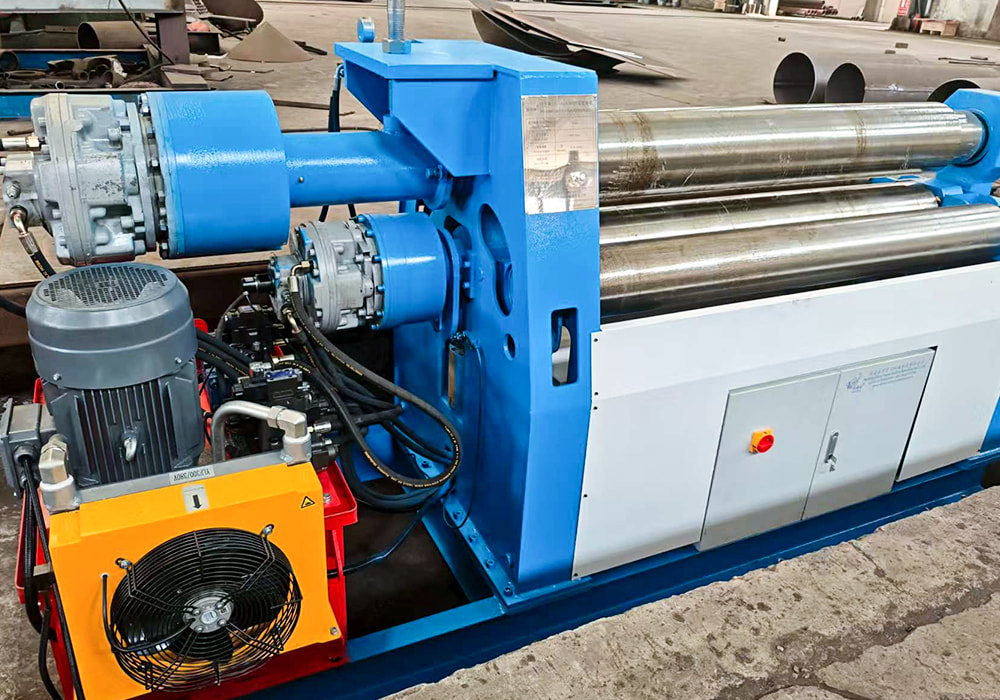 HDLW12-16x1600 CNC 4 Rolls Metal Sheet Bending Machine
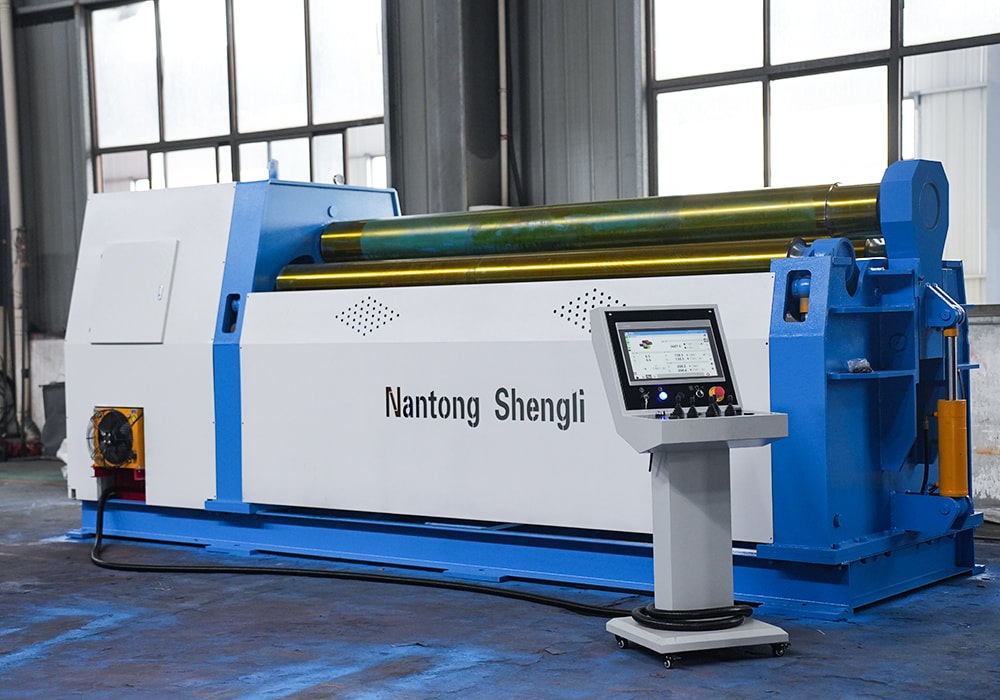 HDLW12-12×3000 4 Rolls Plate Bending Machine
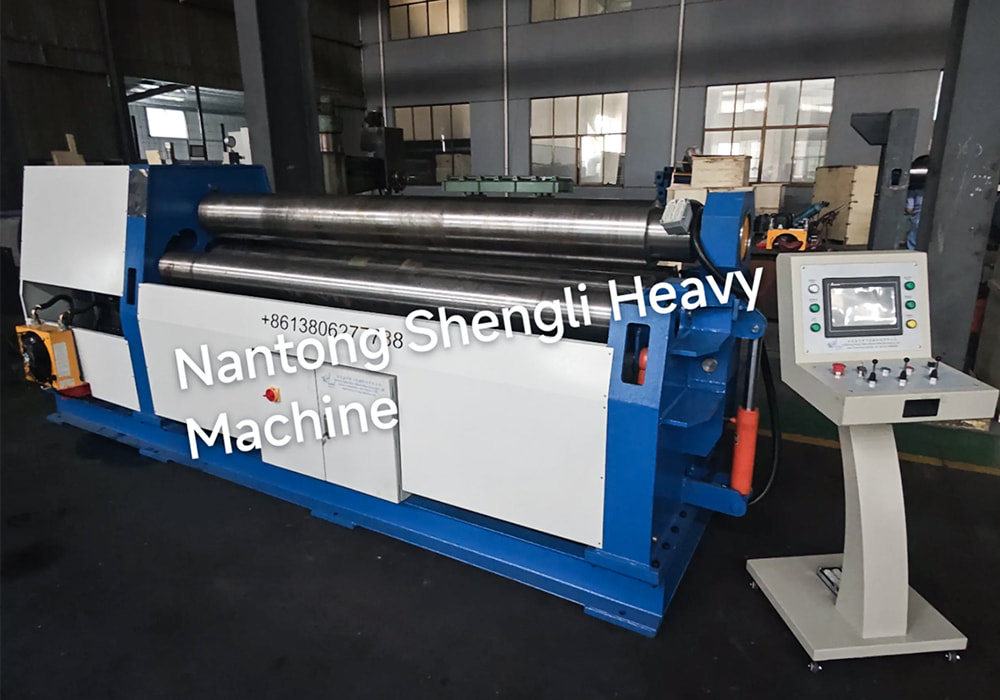 HDLW12-25×2500 Pipe Bending Rolling Machine
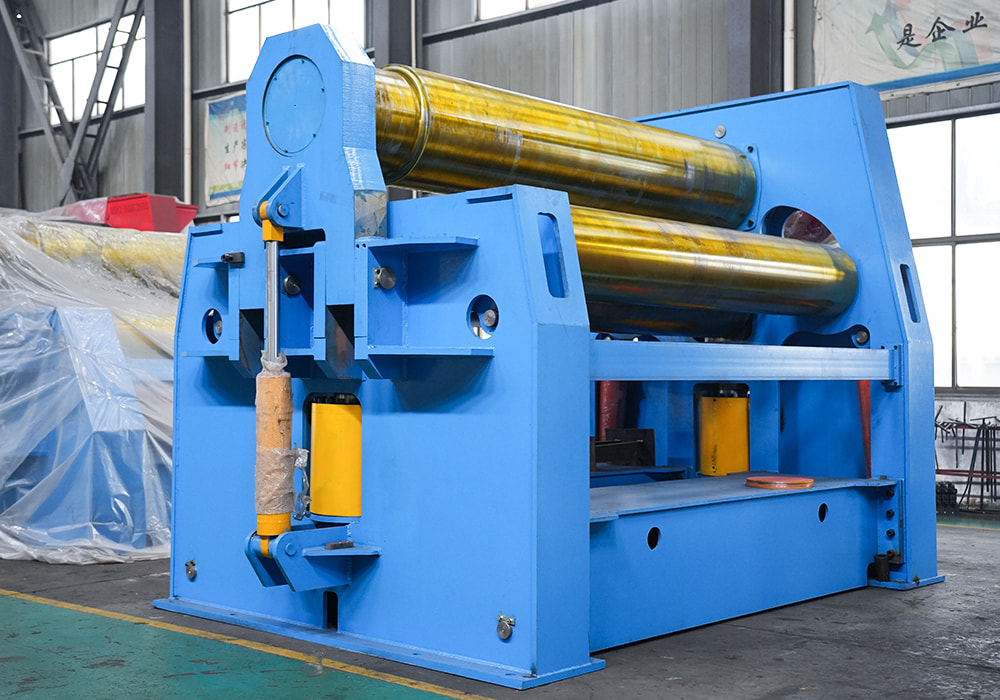 HDLW12-70×3200 CNC 4 Roll Metal Roll Bender
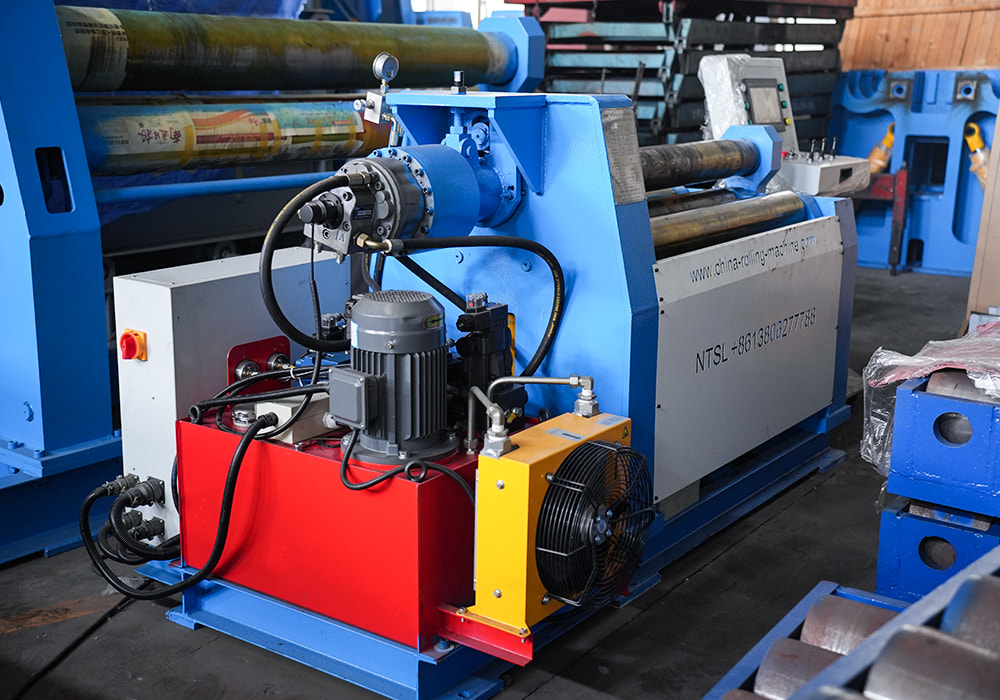 HDLW12-8×1000 4 Roll CNC Sheet Bending Machine

The company boasts strong technical capabilities, holds numerous national patents, and produces high-quality products that are widely recognized by customers both at home and abroad.